Table of Contents >> Show >> Hide
- So… What Does “Ah Lelele Ahlelas” Mean on TikTok?
- How People Use the Sound
- Examples You Can Copy (Captions, Scenarios, and Setups)
- Origins: Where Did “Ah Lelele Ahlelas” Come From?
- Why the Sound Went Viral
- How to Use “Ah Lelele Ahlelas” Without Being Cringe
- Spellings, Variations, and Why Everyone Types It Differently
- A Quick Cultural Note (Because It Matters)
- FAQ
- of “Been There” Experiences With the Trend
- Conclusion
If your For You Page has recently started chanting “ah lelele ahlelas” at you like a tiny haunted ringtone,
you’re not alone. TikTok has a special talent for taking one micro-sound (often a few seconds long), giving it a goofy new spelling,
and turning it into a shared inside joke overnight. This one feels extra chaotic because it sounds like words… but also like
your phone briefly joined a fish-themed cult.
Here’s the real deal: “ah lelele ahlelas” is commonly a misheard/memed version of an Arabic lyric from the Afro-house track
“Ma Tnsani” (by Vanco featuring AYA). On TikTok, though, the “meaning” isn’t really a dictionary definition. It’s more of a vibe label:
absurd, glitchy, brainrot energyoften paired with fish clips, weird facial zooms, or someone’s plan falling apart in real time.
So… What Does “Ah Lelele Ahlelas” Mean on TikTok?
The short answer
On TikTok, “ah lelele ahlelas” basically means “this is so weird it’s funny”the audio version of watching something
slightly cursed, confusing, or unexpectedly hilarious and going: yep, my brain just made the Windows shutdown noise.
The more accurate answer
- Literal origin: The “real” lyric is often written as “ahla laila, ahla nas” (transliteration varies).
It’s commonly explained as an Arabic phrase meaning something like “the best night, the best people.” - TikTok meaning: A meme sound that signals surreal comedy, “brainrot” humor, and a moment that feels
slightly out of reality (in a harmless, silly way). - Community meaning: It’s an inside joke. If you “get it,” you don’t explain ityou just repost a bug-eyed fish and move on.
How People Use the Sound
The sound is popular because it’s ridiculously flexible. You can slap it on almost anything that looks like it shouldn’t exist,
or anything that feels like a tiny social disaster. Common formats include:
1) Fish memes (the classic)
Think: close-up fish footage, big eyes, weird mouth movement, awkward swimming, dramatic zoom-ins, and the audio playing like an ancient chant.
The contrast between “serious-sounding vocal” and “goofy animal moment” is basically the whole joke.
2) “Confused and cooked” reaction edits
The sound shows up when a person (or character) looks stunned, annoyed, or like they just realized they hit “reply all.”
It’s used like a reaction sound: my thoughts have left the building.
3) Pet chaos
Cats doing sudden side-eye, dogs acting like they saw a ghost, pets staring at nothingadd the audio and you get “mystical household nonsense.”
4) “Plan failed” energy
People also use it to soundtrack moments where a plan falls apart:
a prank backfires, a cooking experiment becomes soup, or someone’s “smooth” moment turns into pure awkwardness.
Examples You Can Copy (Captions, Scenarios, and Setups)
Want concrete examples? Here are safe, common ways creators set it upwithout trying too hard.
(Rule of thumb: the less you explain, the funnier it gets.)
Caption-style examples
- “Me after one (1) weird video and the algorithm decides I live here now.”
- “POV: you opened the front camera by accident.”
- “When your brain starts buffering in public.”
- “My last two neurons trying to collaborate.”
- “When the group chat gets quiet after you send that message.”
- “This is what my thoughts sound like at 2 a.m.”
Scene examples
- Fish/pet zoom: Zoom in slowly on an animal staring directly into the lens like it’s judging your browser history.
- Kitchen fail: Show the “before” (confidence) and “after” (mysterious burnt creation) with the audio hitting on the reveal.
- Awkward moment: Recreate a silent pause after a joke doesn’t landthen cut to the audio and a dramatic stare.
- “Glitch” edit: Add a small shake/zoom effect timed to the chant to heighten the absurdity (subtle beats loud).
Origins: Where Did “Ah Lelele Ahlelas” Come From?
Internet trends love a good “mystery phrase,” but this one has a fairly traceable path:
it’s widely described as a misheard lyric turned into a standalone meme sound.
A simple timeline
- April 2025: “Ma Tnsani” (Vanco feat. AYA) is released and spreads across music platforms.
The hook’s vocal delivery is catchy, rhythmic, and easy to loop. - June 2025: A TikTok user posts a version of the line with a distorted “scary” delivery, and the audio starts
circulating as a separate sound. - July 2025: Meme edits take offespecially fish clips and surreal reaction videos. The sound becomes “brainrot shorthand.”
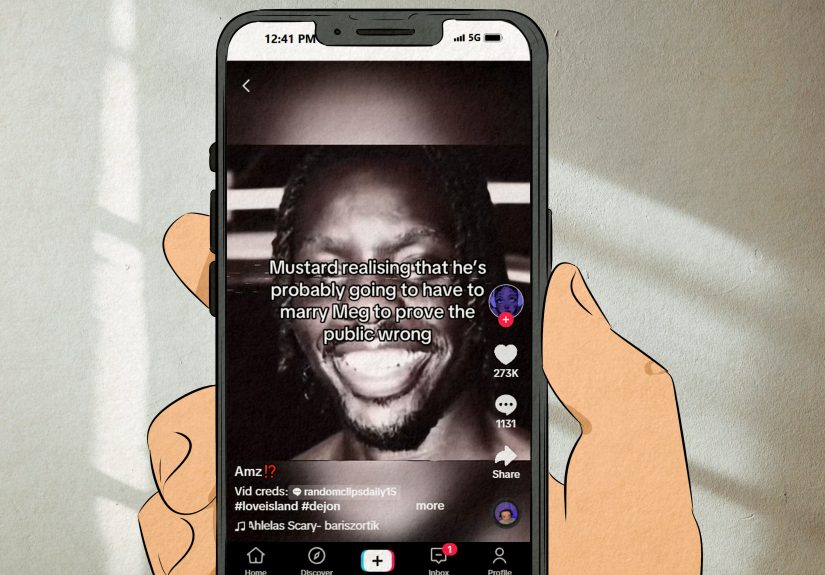
- August 2025 and beyond: The sound spreads into broader meme ecosystems, including reality TV reaction edits and remix variations.
Why the Sound Went Viral
TikTok doesn’t always reward “meaning.” It rewards repeatable feelings. This sound checks several viral boxes at once:
It’s an earworm in five seconds
The chant-like rhythm loops cleanly, and your brain can “finish” it even when you didn’t ask it to.
That makes it perfect for short videosand perfect for getting stuck in your head while you’re trying to do actual homework. (Tragic.)
It has “language-like” texture
Because it’s based on a real lyric, it sounds like it should be understandable. That slight confusion makes people replay it,
then comment, then search, then accidentally join the trend. Classic.
It fits brainrot humor perfectly
“Brainrot” (or “brain rot”) is often used for low-stakes, intentionally nonsense internet contentespecially stuff you can’t explain without ruining it.
This sound is basically a mascot for that vibe: odd, repetitive, and fun in a “what am I watching” way.
It’s extremely remixable
Once a sound has multiple versions (sped-up, slowed, “scary,” bass-boosted), it’s easier for creators to “make it theirs”
while still riding the same trend wave.
How to Use “Ah Lelele Ahlelas” Without Being Cringe
Yes, it’s possible. You just have to treat it like seasoning, not soup.
Step-by-step approach
- Pick a moment that looks slightly unreal. Confusion, awkwardness, dramatic stare, strange pet behavior, weird object, odd timing.
- Keep the clip short. The sound works best when it hits quicklysetup, punchline, done.
- Don’t over-explain. If you need a paragraph in the caption, the sound is doing push-ups for nothing.
- Match the timing. Cut or zoom on the most recognizable beat/chant moment.
- Use one visual “bit.” One gag is enough. Two gags is a sequel. Three gags is a director’s cut nobody requested.
Spellings, Variations, and Why Everyone Types It Differently
Part of the meme is that the phrase is often typed how it sounds, not how it’s “supposed” to be written.
That’s why you’ll see a dozen spellings that all point to the same audio.
- Common meme spellings: ah lelele ahlelas, ahlelele ahlelas, ahelele ahlelas, ahlele ahlelas
- Lyric-based spellings: ahla laila / ahla layla, ahla nas / ahla naas (transliteration varies)
- Audio variations: “scary” version, slowed version, remix versions, bass-boosted versions
A Quick Cultural Note (Because It Matters)
The meme version can make the phrase feel like “random sounds,” but it’s widely connected to a real song with real language roots.
So if you’re using it: keep it playful, not disrespectful. Joke about the meme (the fish, the editing, the absurdity),
not about people or cultures.
FAQ
Is “ah lelele ahlelas” a real phrase?
The meme spelling is not a standard phrase. It’s commonly treated as a misheard lyrica phonetic “internet transcription”
of a hook from “Ma Tnsani.”
What’s the “real” lyric people mention?
You’ll often see it written as “ahla laila, ahla nas”, with a commonly shared meaning along the lines of
“the best night, the best people.” (Transliteration can differ depending on who’s typing it.)
Why is it always paired with fish?
Because the internet saw a bug-eyed fish clip, heard the chant, and collectively decided:
“Yes. This is the soundtrack of aquatic confusion.” Once that pairing worked, it became a template.
Is it supposed to be scary?
Not really. Some versions are edited to sound spooky or intense, but the trend is mostly comedicmore “haunted by the algorithm” than “horror movie.”
of “Been There” Experiences With the Trend
There’s a very specific modern experience that begins with: “I’ll just scroll for five minutes.” And it ends with you hearing
“ah lelele ahlelas” in your head while you stare at a wall like a confused houseplant.
First it shows up as background noise. You don’t even register it. You’re watching a random clipmaybe a fish, maybe a cat, maybe a person doing
a dramatic zoom-in with the seriousness of a detective solving the world’s smallest case. The sound plays. Your brain shrugs.
Then ten minutes later it’s back. Same sound, different video. A fish stares into the camera like it knows your secrets.
The chant hits again. You laugh, but you don’t know why. That’s how it gets you: it bypasses logic and goes straight for the “what is happening”
part of your soul.
Then comes the second phase: recognition. You start noticing it in comments and captionspeople typing it in slightly different ways like they’re
trying to spell a sneeze. Someone writes “ahlelel” and another person replies “ahlelas!” like they’re finishing a sacred proverb.
It’s less like language and more like a secret handshake, except the handshake is performed by a fish with enormous eyes.
After that, you start predicting it. You see a clip with a slow zoom and you think, “If this doesn’t cut to ‘ah lelele ahlelas,’ I’m suing.”
A pet freezes mid-step? The sound is coming. A person realizes they sent the wrong text to the wrong chat? The sound is already loading.
It becomes a soundtrack for micro-chaos: harmless confusion, awkward pauses, and moments that feel like your brain briefly lagged.
Creators often describe the best part as how little you need to do. You don’t need a big skit. You don’t need props.
Sometimes the “content” is literally: a fish, a stare, a zoom, and a caption like “he knows.” The sound does the heavy lifting.
That’s also why it spreads so fastanyone can join. Even people who don’t want to join end up joining accidentally because they used the sound once
“ironically,” which is how the internet gets you to do everything.
And finally, there’s the moment the trend escapes TikTok and walks into real life. Someone hums the melody under their breath.
Someone says the phrase out loud in a group chat voice. A friend sends a fish sticker with no explanation. You don’t panic,
because you understand the message: “I have seen the weird side of the algorithm, and I survived.” That’s what these micro-trends really are:
tiny shared experiencesabsurd, fast, and oddly bonding. Today it’s “ah lelele ahlelas.” Tomorrow it’ll be something else equally unexplainable.
And somehow, you’ll know exactly what it means.
Conclusion
“Ah lelele ahlelas” is a perfect TikTok artifact: a misheard lyric turned meme chant, transformed into a reusable reaction sound for surreal humor.
If you hear it over a fish clip, an awkward zoom, or someone’s plan collapsing in slow motion, the “meaning” is basically:
this moment is weird, and we’re having fun with it. Just remember there’s a real song behind the meme, and the internet is simply
doing what it does bestturning a catchy snippet into community folklore at maximum speed.