
Table of Contents >> Show >> Hide
- What Are Moroccan Carrots?
- Why This Is the Best Moroccan Carrots Recipe
- Moroccan Carrots Recipe at a Glance
- Ingredients for Moroccan Carrots
- How to Make Moroccan Carrots
- Tips for Perfect Moroccan Carrots
- Flavor Variations
- What to Serve with Moroccan Carrots
- How to Store and Make Ahead
- Common Mistakes to Avoid
- Frequently Asked Questions
- Recipe Notes from the Kitchen
- Conclusion
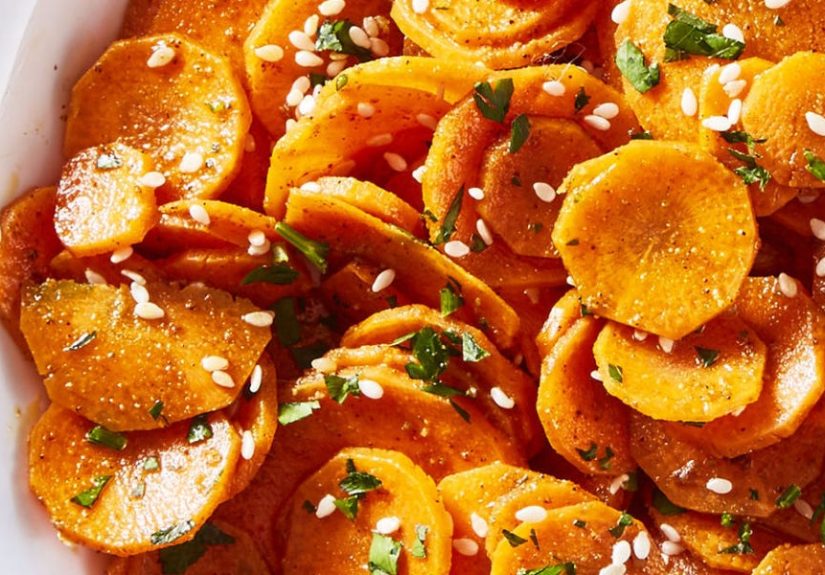
Moroccan carrots are what happens when the humblest vegetable in the crisper drawer gets invited to a spice market, has a glow-up, and returns home smelling like cumin, lemon, garlic, and sunshine. This dish is simple enough for a Tuesday dinner but bold enough to sit proudly beside grilled chicken, lamb, couscous, salmon, lentils, or a big mezze spread where everyone pretends they are “just having a small plate” and then goes back three times.
The best Moroccan carrots recipe is all about balance: naturally sweet carrots, earthy cumin, warm paprika, fresh lemon juice, good olive oil, garlic, fresh herbs, and just enough heat to make things interesting without turning your side dish into a dare. Some versions are served warm, others chilled. Some use sliced cooked carrots; others use shredded raw carrots. Some include preserved lemon, harissa, cinnamon, coriander, orange, honey, or toasted nuts. The version below keeps the classic spirit while making the recipe practical for an American home kitchen.
This guide explains how to make Moroccan carrots that are tender but not mushy, deeply seasoned but not salty, bright but not sour, and exciting enough to make people ask, “Wait, these are just carrots?” Yes. Yes, they are. Carrots have range.
What Are Moroccan Carrots?
Moroccan carrots are a flavorful North African-inspired carrot side dish usually made with cooked carrots tossed in a spiced lemon-olive oil dressing. The core flavors often include cumin, paprika, garlic, lemon juice, parsley or cilantro, and olive oil. Depending on the cook, the dish may lean smoky, spicy, tangy, sweet, or herbaceous.
In many Moroccan-style carrot salads, carrots are boiled or steamed until just tender, then dressed while warm so they absorb the seasoning. That little trick matters. Warm carrots behave like tiny orange sponges, soaking up the lemon, garlic, cumin, and olive oil instead of letting the dressing slide sadly to the bottom of the bowl.
This recipe is designed as a cooked Moroccan carrot salad, served warm, room temperature, or chilled. That makes it ideal for weeknight meals, holiday tables, picnics, meal prep, and any dinner where the main dish needs a sidekick with actual personality.
Why This Is the Best Moroccan Carrots Recipe
The best Moroccan carrots recipe should not taste like plain boiled vegetables wearing a spice costume. It should taste layered, fresh, and lively. The carrots should be sweet and tender, the cumin should be earthy, the paprika should bring warmth, the lemon should wake everything up, and the herbs should make the whole bowl feel fresh.
This version works because it uses a few small but powerful techniques. First, the carrots are cooked only until fork-tender, not collapsed into baby food territory. Second, the spices bloom briefly in warm olive oil, which helps unlock their aroma. Third, the carrots are tossed with the dressing while still warm. Finally, a short resting time lets the flavors mingle like guests at a dinner party who finally found the good snacks.
Moroccan Carrots Recipe at a Glance
- Prep time: 15 minutes
- Cook time: 10 to 12 minutes
- Total time: About 30 minutes, including resting
- Servings: 4 to 6
- Best served: Warm, room temperature, or chilled
- Main flavors: Cumin, paprika, lemon, garlic, olive oil, parsley, cilantro
- Diet notes: Vegetarian, vegan, dairy-free, gluten-free
Ingredients for Moroccan Carrots
Main Ingredients
- 2 pounds carrots, peeled and sliced into 1/4-inch coins
- 3 tablespoons extra-virgin olive oil
- 2 tablespoons fresh lemon juice, plus more to taste
- 1 teaspoon lemon zest
- 2 garlic cloves, finely grated or minced
- 1 1/2 teaspoons ground cumin
- 1 teaspoon sweet paprika
- 1/2 teaspoon ground coriander
- 1/4 teaspoon cinnamon
- 1/8 to 1/4 teaspoon cayenne pepper, optional
- 1 teaspoon kosher salt, divided, plus more to taste
- 1/4 teaspoon black pepper
- 1/3 cup chopped fresh parsley
- 1/4 cup chopped fresh cilantro, optional but recommended
Optional Add-Ins
- 1 tablespoon finely chopped preserved lemon peel for a salty, citrusy Moroccan-style punch
- 1 teaspoon harissa paste for smoky heat
- 1 teaspoon honey or maple syrup if your carrots need extra sweetness
- 2 tablespoons toasted sesame seeds, almonds, or pistachios for crunch
- 1/4 cup golden raisins or chopped dates for a sweet-savory variation
How to Make Moroccan Carrots
Step 1: Slice the Carrots Evenly
Peel the carrots and slice them into 1/4-inch coins on a slight diagonal. The diagonal cut is not required, but it gives the carrots more surface area for the dressing. Also, it looks fancy with almost no effort, which is the kind of kitchen math we support.
Try to keep the pieces similar in thickness. If some slices are paper-thin and others are chunky carrot boulders, they will cook unevenly. The goal is tender carrots with a little structure, not a pot of orange confetti.
Step 2: Cook Until Just Tender
Bring a large pot of salted water to a boil. Add the sliced carrots and cook for 7 to 10 minutes, depending on thickness, until they are fork-tender but not falling apart. Drain well.
For the best texture, test early. A knife should slide through with light resistance. If the carrots are too firm, they will taste more like a lunchbox snack than a seasoned side dish. If they are overcooked, they will break when tossed. Moroccan carrots should have backbone. Tiny, delicious backbone.
Step 3: Bloom the Spices
While the carrots cook, warm the olive oil in a small skillet over medium-low heat. Add the garlic, cumin, paprika, coriander, cinnamon, cayenne, black pepper, and 1/2 teaspoon kosher salt. Stir for 30 to 45 seconds, just until fragrant.
Do not walk away. Spices can go from fragrant to scorched faster than someone can say, “Is that supposed to smell like that?” Keep the heat gentle. You want the garlic softened and the spices aromatic, not browned and bitter.
Step 4: Add Lemon and Make the Dressing
Remove the skillet from heat. Stir in the lemon juice and lemon zest. If using preserved lemon, harissa, or honey, add it now. Taste the dressing. It should be bright, warm, lightly salty, and bold. Remember, the carrots will soften the intensity, so the dressing should taste a little stronger than you expect.
Step 5: Toss While Warm
Transfer the drained warm carrots to a large mixing bowl. Pour the spiced dressing over the top and toss gently until every slice is coated. Add the parsley and cilantro, then toss again.
Let the carrots rest for at least 10 minutes before serving. This resting time is not decorative. It gives the cumin, paprika, garlic, lemon, and olive oil a chance to settle into the carrots. The flavor improves as the dish sits, which means leftovers are not a problem. They are a strategy.
Tips for Perfect Moroccan Carrots
Use Fresh, Firm Carrots
Fresh carrots should feel firm, not rubbery. If your carrots bend like they are auditioning for a yoga class, save them for stock or soup. For this Moroccan carrots recipe, crisp carrots give the best sweet flavor and clean texture.
Salt the Cooking Water
Cooking the carrots in salted water seasons them from the inside. If you only salt the dressing, the outside tastes seasoned while the inside remains bland. That is how side dishes end up ignored. We are not ignoring carrots today.
Do Not Skip the Lemon
Lemon juice is essential because it balances the sweetness of the carrots and the richness of the olive oil. Lemon zest adds fragrance without extra acidity. Together, they keep the dish bright and lively.
Bloom the Spices for Bigger Flavor
Ground cumin, paprika, coriander, and cinnamon taste better when warmed briefly in oil. This quick step helps the spices release their aroma and makes the final dish taste rounder and deeper. It is a small move with a big payoff.
Let the Dish Rest
Moroccan carrots are better after 10 to 30 minutes of resting. If making them ahead, refrigerate and bring them close to room temperature before serving. Cold Moroccan carrots are delicious, but the flavors are more expressive when they are not fridge-cold.
Flavor Variations
Spicy Moroccan Carrots with Harissa
Add 1 to 2 teaspoons harissa paste to the dressing. Harissa brings chile heat, garlic, and smoky complexity. Start small because brands vary widely in spice level. Some are gentle. Some arrive with a tiny fire department.
Moroccan Carrots with Preserved Lemon
Finely chop 1 tablespoon preserved lemon peel and stir it into the dressing. Preserved lemon adds salty, fermented citrus depth that fresh lemon cannot fully copy. Because preserved lemons are salty, taste before adding extra salt.
Roasted Moroccan Carrots
For a deeper, caramelized flavor, roast the sliced or whole carrots at 425 degrees Fahrenheit with olive oil, salt, cumin, paprika, and coriander until browned and tender. Toss with lemon juice, herbs, and optional harissa after roasting. Roasted Moroccan carrots are especially good with yogurt sauce or tahini.
Sweet and Savory Moroccan Carrots
Add golden raisins, chopped dates, or a small drizzle of honey. This variation works beautifully with grilled meats, roasted chickpeas, couscous, and rice pilaf. The sweetness should support the carrots, not turn them into dessert in a trench coat.
Crunchy Moroccan Carrot Salad
Use grated raw carrots instead of cooked sliced carrots. Toss with the same dressing, then add toasted almonds, pistachios, or sesame seeds. This version is fresher and crunchier, perfect for lunch bowls and picnics.
What to Serve with Moroccan Carrots
Moroccan carrots are flexible, which is excellent news for anyone trying to build dinner from what is already in the kitchen. Serve them with grilled chicken, roasted lamb, baked salmon, turkey meatballs, chickpea stew, lentils, couscous, quinoa, or warm flatbread. They also work beautifully as part of a mezze-style platter with hummus, olives, roasted eggplant, cucumber salad, and pita.
For a simple vegetarian meal, spoon Moroccan carrots over couscous with chickpeas, a dollop of Greek yogurt or dairy-free yogurt, and extra herbs. For a dinner party, serve them at room temperature on a wide platter with toasted pistachios and lemon wedges. They look vibrant, taste bold, and require no last-minute stove drama. That is hosting gold.
How to Store and Make Ahead
Moroccan carrots are excellent for meal prep because the flavor improves after a few hours. Store leftovers in an airtight container in the refrigerator for up to 4 days. Stir before serving, and refresh with a squeeze of lemon juice and a small drizzle of olive oil if needed.
To make the recipe ahead, cook the carrots and toss them with the dressing, then refrigerate. Add fresh herbs shortly before serving for the brightest flavor and color. If the herbs are mixed in far ahead, they will still taste good, but they may darken slightly.
You can serve Moroccan carrots chilled, but they are often best at room temperature. Take them out of the refrigerator 20 to 30 minutes before serving if possible.
Common Mistakes to Avoid
Overcooking the Carrots
The most common mistake is cooking the carrots until they are too soft. They should be tender enough to eat comfortably but firm enough to hold their shape when tossed.
Using Flat, Old Spices
If your cumin has been in the cabinet since the era of flip phones, it may not bring much flavor. Moroccan carrots rely on spices, so fresh ground cumin and paprika make a noticeable difference.
Forgetting Acid
Without lemon juice, the dish can taste heavy or overly sweet. The lemon is what makes the spices pop and keeps the carrots refreshing.
Adding Too Much Preserved Lemon
Preserved lemon is wonderful, but it is salty and intense. Add a little, taste, and adjust. It is easier to add more than to rescue carrots that taste like they fell into the pickle jar.
Frequently Asked Questions
Are Moroccan carrots served hot or cold?
They can be served warm, room temperature, or chilled. Warm carrots absorb the dressing beautifully, while chilled carrots make a refreshing salad. Room temperature is often the sweet spot for the fullest flavor.
Can I make Moroccan carrots without cilantro?
Yes. Use parsley only, or replace cilantro with fresh mint. Parsley gives a clean, grassy flavor, while mint adds a cooling note that pairs well with cumin and lemon.
Can I use baby carrots?
Yes, but regular carrots usually have better flavor and texture. If using baby carrots, cut large ones in half lengthwise and watch the cooking time carefully.
Is this Moroccan carrots recipe spicy?
It is mildly warm as written. For more heat, add extra cayenne or harissa. For a mild version, skip the cayenne and harissa entirely.
Can I roast the carrots instead of boiling them?
Absolutely. Roasting makes the carrots sweeter and more caramelized. Boiling or steaming gives a more traditional salad-style texture, while roasting creates a richer side dish.
Recipe Notes from the Kitchen
The first time I made Moroccan carrots, I expected them to be “nice.” That was the exact word in my head: nice. A polite vegetable side dish. Something orange to put beside the main course so dinner looked responsible. Then the cumin hit the warm olive oil, the garlic joined in, the lemon brightened everything, and suddenly the carrots had become the most interesting thing on the table. The chicken was offended. The rice was quiet. The carrots were thriving.
What makes this recipe special is how much flavor comes from ordinary ingredients. Carrots are inexpensive, available all year, and usually sitting in the refrigerator waiting for someone to remember they exist. But when you treat them properly, they become sweet, earthy, and deeply satisfying. The key is not to drown them in dressing or bury them under spices. The key is to season them like they matter.
One of the best experiences with this dish is watching people taste it for the first time. They usually expect something simple. Then they pause. Then comes the tiny eyebrow lift. That is the universal sign for, “I did not know carrots could do this.” The lemon makes the flavor sparkle, the cumin gives it depth, the paprika adds warmth, and the herbs keep it fresh. If you add preserved lemon, the dish becomes even more complex, with a salty citrus note that feels both rustic and elegant.
This recipe is also forgiving in the best way. If you want it sweeter, add a few chopped dates. If you want it spicier, add harissa. If you want it more dinner-party-ready, scatter toasted pistachios over the top and serve it on a wide white platter. If you want lunch, pile the carrots into a bowl with chickpeas, couscous, cucumbers, and yogurt sauce. Suddenly, yesterday’s side dish becomes today’s very smug meal prep.
Another reason Moroccan carrots are worth keeping in your recipe rotation is that they solve the “what vegetable goes with this?” problem. They pair with grilled meats, roasted fish, vegetarian stews, grain bowls, and sandwiches. They are bright enough for summer and warm enough for winter. They can be made ahead, transported easily, and served without reheating. That makes them practical for potlucks, holiday dinners, backyard meals, and busy weeks when cooking energy is running on fumes.
My favorite way to serve them is at room temperature with a little extra lemon, a spoonful of harissa on the side, and a shower of herbs right before they hit the table. The colors are gorgeous, the aroma is inviting, and the flavor is bigger than the effort required. That is the kind of recipe that earns a permanent place in the kitchen: easy, flexible, affordable, and just dramatic enough to keep dinner interesting.
Conclusion
The best Moroccan carrots recipe turns simple carrots into a bold, colorful, lemony, spice-kissed side dish that works for almost any meal. With cumin, paprika, garlic, olive oil, fresh herbs, and optional preserved lemon or harissa, this recipe delivers big flavor without complicated steps. Serve Moroccan carrots warm, chilled, or at room temperature, and do not be surprised when they disappear faster than the main course.
Note: This article was written as original, publication-ready content based on widely used Moroccan-style carrot techniques, including cooked carrot salads, spiced olive oil dressings, preserved lemon variations, harissa seasoning, and roasted carrot adaptations.




 Close
Close