Table of Contents >> Show >> Hide
- Who Is Lenneke Wispelwey?
- The Design Appeal of the Blue Pitcher
- Material Matters: Why Porcelain Changes the Experience
- Understanding Slip-Casting in the Blue Pitcher
- How the Blue Pitcher Fits Into Wispelwey’s Larger Ceramic World
- Styling Ideas for the Blue Pitcher
- Why Collectors and Design Lovers Notice Pieces Like This
- Care Tips for a Porcelain Pitcher
- Is the Blue Pitcher Worth It?
- Experience Notes: Living With the Idea of the Blue Pitcher
- Conclusion
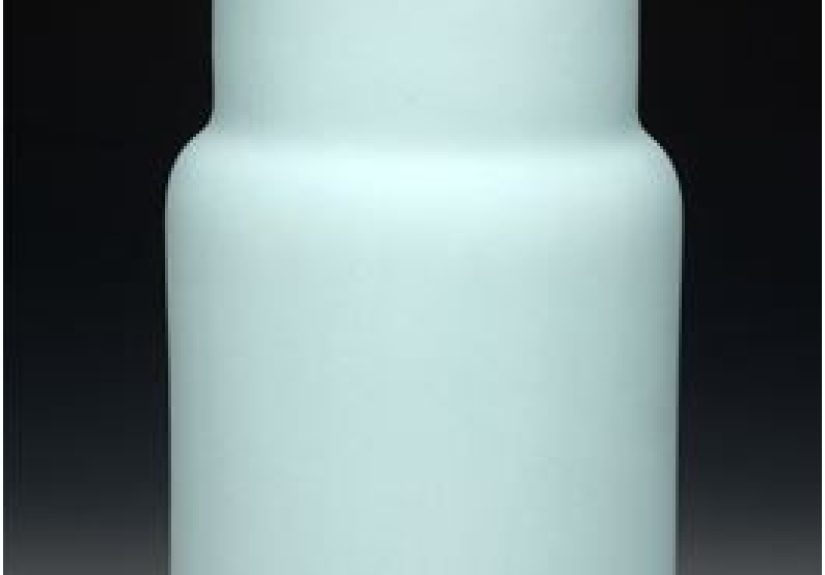
The Blue Pitcher by Lenneke Wispelwey is the kind of object that quietly walks into a room, refuses to shout, and somehow becomes the most interesting guest at the table. It is not flashy in the way a gold-plated centerpiece is flashy. It does not need dramatic curves, decorative excess, or a theatrical handle that looks like it escaped from a palace. Instead, this blue porcelain pitcher wins attention through restraint: a clean silhouette, a calm blue surface, and the tactile contrast between glazed and unglazed porcelain.
Designed by Dutch ceramicist Lenneke Wispelwey, the pitcher reflects the qualities that make her ceramic work recognizable: powdery color, geometric discipline, gentle humor, and a handmade presence that feels warm rather than precious. The piece was described as a slip-cast porcelain pitcher made with blue-colored slip, glazed on the interior, mostly left bare on the exterior except near the top, and fired to a high temperature. At the time of publication, it was listed at 4 inches by 4 inches by 9.5 inches and priced at $170 through Red Star Studios.
That may sound like a simple product description, but the charm of the Blue Pitcher is hiding in those details. A glazed interior makes the vessel functional for pouring water, milk, juice, or flowers that pretend they were casually gathered from a garden. The bare porcelain exterior gives the hand something to notice. The blue slip brings the color into the clay body rather than treating it like a last-minute coat of paint. The result is a pitcher that feels designed, made, and considered from the inside out.
Who Is Lenneke Wispelwey?
Lenneke Wispelwey is a Dutch ceramic designer known for porcelain objects that combine everyday function with a joyful design language. After graduating from ArtEZ’s Product Design department in Arnhem in 2008, she founded her own studio. Her work has often been associated with soft colors, geometric patterning, porcelain tableware, vases, carafes, and objects that feel connected like members of one creative family.
What separates Wispelwey’s ceramics from many minimalist home objects is that her work does not confuse simplicity with coldness. Her pieces are precise, but not stiff. They have structure, but also personality. A cup may carry a faceted pattern. A vase may look elegant from across the room, then reveal a playful detail underneath. A pitcher may appear quiet at first, then win you over with its powdery blue surface and the small thrill of touching unglazed porcelain.
Her design approach is often described as low-tech and tactile. That matters. In a world full of glossy, mass-produced objects that seem to have been designed by a spreadsheet wearing shoes, Wispelwey’s work keeps the human hand in the conversation. Even when a piece is slip-cast, it does not feel anonymous. Color variations, material texture, and surface treatment remind the user that porcelain is not plastic in a fancy outfit. It is clay, chemistry, fire, and patience.
The Design Appeal of the Blue Pitcher
A Calm Blue That Does More Than Look Pretty
Blue is one of the most enduring colors in ceramic history, from Chinese blue-and-white porcelain to Delftware, coastal stoneware, and contemporary table ceramics. The Blue Pitcher – Lenneke Wispelwey fits into that larger visual tradition without copying it. It does not rely on painted landscapes, floral borders, or ornamental nostalgia. Instead, it uses blue as a material mood: soft, modern, and steady.
Because the pitcher is made with blue-colored slip, the color feels integrated into the object. It does not sit on the surface like makeup before a big party. It belongs to the body of the piece. That gives the pitcher a subtler visual depth, especially when contrasted with the glazed interior and the largely unglazed exterior. The blue is decorative, yes, but it is also structural in the way the object communicates.
The Beauty of a Bare Exterior
One of the most interesting details of the pitcher is its surface treatment. The inside is glazed, which supports practical use. The outside is left mostly bare, except around the top. This creates a conversation between touch and function. The glazed area suggests cleanliness, liquid, and utility. The unglazed porcelain exterior suggests softness, dryness, and tactility.
In practical terms, this contrast gives the pitcher character. In aesthetic terms, it gives the piece depth. A fully glazed pitcher can sometimes feel too polished, like it is waiting for a formal dinner invitation. A bare exterior makes the object feel more intimate and less fussy. You can imagine it on a breakfast table, a writing desk, a shelf, or beside a stack of linen napkins that you absolutely meant to iron but heroically chose not to.
A Shape That Works Beyond the Table
At approximately 9.5 inches tall, the Blue Pitcher has enough height to hold attention without bullying the room. It can function as a water pitcher, but it also works beautifully as a vase, shelf object, or display piece. Its compact footprint makes it friendly to small apartments, open shelving, sideboards, breakfast nooks, and kitchen islands.
That flexibility is part of its appeal. A good ceramic pitcher should not spend eleven months a year hiding in a cabinet, waiting for lemonade season. The Blue Pitcher has the sculptural quality to stay visible even when it is empty. In fact, emptiness may be one of its best styling modes. Without flowers or liquid, the form itself gets a chance to breathe.
Material Matters: Why Porcelain Changes the Experience
Porcelain is not just “nice clay.” It is a high-fired ceramic material valued for strength, refinement, and a fine-grained body. Traditional porcelain often involves kaolin and other minerals, and it is fired at very high temperatures to create a dense, vitrified ceramic. That technical background matters because it helps explain why porcelain can feel both delicate and durable at the same time.
In the Blue Pitcher, porcelain supports the clean edges, refined surface, and quiet elegance of the form. The high firing also aligns with the product description, which notes that the piece was fired to a high temperature. This is not casual pottery in the “I made it at camp and it leans emotionally to the left” sense. It is a carefully designed porcelain object with a controlled making process and a strong material identity.
Understanding Slip-Casting in the Blue Pitcher
Slip-casting is a ceramic process in which liquid clay, called slip, is poured into a mold. The mold absorbs moisture from the slip, allowing a clay wall to form. After the excess slip is poured out and the form stiffens, the piece can be removed, refined, dried, fired, and finished. It is a practical method for producing consistent shapes, especially forms that require precision.
But slip-casting is not the enemy of artistry. In the hands of a thoughtful designer, it becomes a way to control form while still leaving room for surface, color, and touch. Wispelwey’s work demonstrates this balance well. The Blue Pitcher may begin with a repeatable ceramic technique, but its character comes from choices: blue slip, selective glazing, high firing, proportion, and the decision to let the exterior remain tactile.
How the Blue Pitcher Fits Into Wispelwey’s Larger Ceramic World
Wispelwey’s ceramic world includes cups, plates, bowls, carafes, vases, birdhouses, lamps, and other objects that often share a family resemblance. Many pieces use pastel or powdery tones, geometric forms, subtle surface relief, and contrasts between glazed and unglazed porcelain. The Blue Pitcher belongs comfortably within that world.
Her objects often feel domestic but not ordinary. They look like they belong in daily life, but they also ask to be noticed. This is a tricky balance. Too much artistry and a pitcher becomes intimidating. Too much practicality and it becomes invisible. The Blue Pitcher sits in the satisfying middle: useful enough to pour from, beautiful enough to display, and unusual enough to make someone at the table ask, “Where did you get that?”
Styling Ideas for the Blue Pitcher
On a Minimalist Table
For a minimalist table setting, let the Blue Pitcher be the color anchor. Pair it with white plates, simple flatware, clear glasses, and natural linen. The blue will stand out without making the table look overdecorated. Add one small bowl of lemons or pears if you want a color contrast that feels relaxed instead of staged.
In a Warm, Natural Kitchen
The pitcher works beautifully with wood, stone, rattan, and matte finishes. In a kitchen with oak shelves or butcher-block counters, its cool blue tone creates balance. The porcelain feels refined, while the bare exterior keeps it from looking too formal. Place it beside ceramic cups, a small cutting board, or a stack of everyday bowls for a quiet handmade corner.
As a Flower Vessel
Use the pitcher as a vase for tulips, ranunculus, chamomile, wild grasses, or a single branch. Because the shape is clean and vertical, it can handle both structured and loose arrangements. White flowers create a calm, gallery-like mood. Yellow flowers add cheer. Pink flowers bring out the soft, playful side of the blue. The pitcher will not complain either way, because porcelain has excellent manners.
On Open Shelving
Open shelving is where beautiful ceramics either shine or reveal that you own too many mugs with slogans. The Blue Pitcher earns its place. It can sit alone as a small sculptural object or join a group of pale ceramics, glassware, and cookbooks. For the strongest effect, give it some breathing room. A design object does not need to be wedged between a novelty taco holder and a measuring cup shaped like a rooster.
Why Collectors and Design Lovers Notice Pieces Like This
Collectors are often drawn to ceramics that combine authorship, material integrity, and daily usability. The Blue Pitcher has all three. It is associated with a specific designer, made from porcelain, shaped through an intentional process, and suitable for real use. That gives it more meaning than a generic decorative jug.
Another reason collectors respond to work like Wispelwey’s is emotional accessibility. Her ceramics are not severe. They do not stand on a shelf whispering, “Please understand my conceptual framework before touching me.” They invite use. They feel friendly. They make design approachable without making it shallow.
The best handmade or studio-designed tableware changes the rhythm of daily life in small ways. Pouring water becomes slightly more pleasant. A kitchen shelf becomes less generic. A table setting feels more personal. These are not world-shaking events, but they are the texture of home. And frankly, if a pitcher can improve Tuesday breakfast, it deserves applause.
Care Tips for a Porcelain Pitcher
Because the Blue Pitcher has a largely unglazed exterior, it should be handled with a little more awareness than fully glazed commercial dinnerware. Avoid harsh scrubbing powders on the outside. Use mild soap, warm water, and a soft cloth. If the pitcher is used with flowers, rinse it promptly after use to prevent residue from sitting inside. If it is used for beverages, clean it soon after serving, especially with acidic liquids.
It is also smart to avoid sudden temperature shock. Do not take a cold porcelain pitcher and immediately fill it with boiling liquid unless the maker specifically confirms that use. Porcelain is strong, but ceramics prefer not to be surprised. They are like cats in that way.
For display, place the pitcher somewhere stable. If using it on open shelving, make sure it is not near the edge. If using it as a vase, consider the height and weight of stems so the arrangement does not become top-heavy. A beautiful pitcher full of flowers is delightful. A beautiful pitcher performing a dramatic swan dive from a shelf is less delightful.
Is the Blue Pitcher Worth It?
For someone looking only for a basic container to pour water, there are cheaper options. A glass pitcher from a home store will do the job. But that is not really the point. The Lenneke Wispelwey Blue Pitcher is for people who care about the object itself: how it is made, how it feels, how it lives in a room, and how it turns a practical action into a small design moment.
Its value comes from a combination of material, authorship, scarcity, and aesthetic quality. It is porcelain, not mass-market plastic. It is connected to a recognized ceramic designer with a clear visual language. It has specific making details that distinguish it from ordinary pitchers. And it offers enough versatility to serve as tableware, decor, or a flower vessel.
In short, it is not just a pitcher. It is a quiet argument for living with fewer, better, more thoughtful things.
Experience Notes: Living With the Idea of the Blue Pitcher
Spending time with an object like the Blue Pitcher changes the way you think about useful things. Most of us are trained to treat pitchers, bowls, cups, and plates as background characters. They exist to hold the “real” thing: water, soup, coffee, flowers, snacks, emergency cookies. But a piece like this reminds you that the container can carry meaning too.
The first experience is visual. Blue porcelain has a calming effect, especially when placed near natural materials. On a wooden table, the pitcher feels cool and composed. Near white tile, it looks crisp. Against a darker shelf, it becomes more sculptural. It does not need a complicated setting. In fact, the simpler the environment, the more its surface and proportion become noticeable.
The second experience is tactile. A mostly bare porcelain exterior gives the hand a different sensation than glossy ceramic. It feels softer, drier, and more intimate. That difference may seem small, but it is exactly the kind of detail that separates memorable tableware from ordinary tableware. When you pick it up, you notice the surface. When you pour from it, you become aware of the handle, weight, and balance. The object asks you to slow down for half a second, which is practically a luxury item in modern life.
The third experience is emotional. Wispelwey’s work has a gentle sense of play. The Blue Pitcher is elegant, but it is not humorless. It has the friendliness of an object designed to be lived with rather than worshiped from across the room. That matters in a home. Some decorative pieces create pressure: Do not touch me. Do not move me. Do not breathe near me while holding coffee. This pitcher feels more generous. It says, use me carefully, but use me.
One of the most satisfying ways to enjoy a pitcher like this is to let it change roles. On Monday, it can hold water at dinner. On Wednesday, it can hold flowers. On Saturday, it can sit empty on a shelf and still look intentional. This flexibility makes it easier to justify the space it occupies. It is not a single-purpose object hiding behind cabinet doors. It can become part of the visible language of a room.
For interior styling, the Blue Pitcher also teaches a helpful lesson: color does not need to be loud to be effective. A soft blue object can transform a neutral space without making the room feel busy. It works with cream, white, pale gray, walnut, oak, black accents, brass, linen, and glass. It can lean Scandinavian, Dutch modern, cottage, coastal, or contemporary depending on what surrounds it. That adaptability is one reason blue ceramics have such staying power.
There is also a nice ritual quality to using a beautiful pitcher. Filling it before a meal makes the table feel prepared. Setting flowers in it makes a room feel considered. Even washing it by hand can feel less like a chore and more like care. That may sound romantic, but good objects often create better habits. You do not toss a piece like this around. You pay attention. And attention is where appreciation begins.
The Blue Pitcher is especially appealing for people who want their homes to feel personal rather than showroom-perfect. It has enough refinement for a design lover, enough charm for a casual table, and enough craft presence to keep it from feeling generic. It is the sort of object that rewards repeated looking. The more you live with it, the more you notice the decisions behind it: the blue slip, the selective glaze, the porcelain body, the clean form, the handmade sensitivity.
Ultimately, the experience of the Blue Pitcher is not only about owning a ceramic object. It is about choosing a slower, more attentive relationship with everyday things. A pitcher is a humble item. It pours. It holds. It waits. But in the hands of Lenneke Wispelwey, that humble item becomes a small piece of design poetry. Not the kind of poetry that makes you pretend to understand a metaphor about fog and existential soup. The useful kind. The kind you can place on a table, fill with water, and enjoy.
Conclusion
The Blue Pitcher – Lenneke Wispelwey is a refined example of contemporary porcelain design: functional, tactile, quietly colorful, and full of personality. Its blue-colored slip, glazed interior, bare exterior, and high-fired porcelain body create an object that feels both practical and collectible. More importantly, it shows how a simple household form can become meaningful when material, color, and touch are treated with care.
For readers who appreciate handmade ceramics, Dutch design, modern tableware, or objects that make everyday rituals feel a little more special, this blue pitcher deserves attention. It is not trying to be the loudest piece in the room. It is trying to be the one you keep reaching for, looking at, and enjoying year after year.
Note: Availability, retailer listings, and prices for designer ceramics can change over time. Before publication or purchase, verify current stock, dimensions, care instructions, and pricing with the seller or the designer’s official studio.