
Table of Contents >> Show >> Hide
- So, Can Almonds Cause Heartburn?
- Why Almonds Might Trigger Acid Reflux Symptoms
- 1. Almonds are rich in fat, even though it is mostly healthy fat
- 2. Portion size gets out of hand fast
- 3. Flavored almonds can be sneakier than plain almonds
- 4. Almond butter can be easier to overeat
- 5. Timing matters more than people think
- 6. Fiber can be helpful, but a sudden increase may feel rough
- Why Almonds Do Not Bother Everyone
- Signs Almonds Might Be a Personal Trigger for You
- When It Might Not Be the Almonds at All
- How to Test Whether Almonds Trigger Your Reflux
- What to Eat Instead if Almonds Bother You
- Smart Reflux Habits That Matter More Than One Food
- When Heartburn After Almonds Could Be Something Else
- Final Takeaway
- Real-World Experiences With Almonds and Reflux Symptoms
- Conclusion
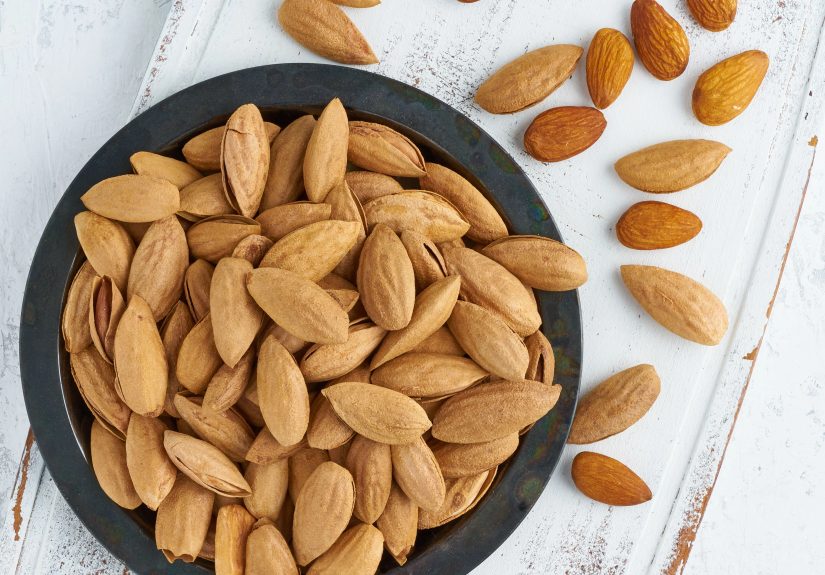
Almonds have a sterling reputation. They show up in snack packs, smoothie bowls, fancy salads, and the smug little corner of the pantry labeled healthy choices. So when someone says, “Wait, why do I get heartburn after eating almonds?” it can feel a little rude. Almonds are supposed to be the good guys.
Here’s the truth: almonds are not a classic acid reflux villain for everyone, but they can trigger heartburn or reflux symptoms in some people. The reason is not that almonds are especially acidic. It is more about individual sensitivity, portion size, fat content, timing, and what else is happening in the meal. In other words, almonds are not automatically guilty, but they are not automatically innocent either.
If you have ever eaten a handful of almonds and then felt a burning chest, sour taste, throat irritation, or that lovely “why is my dinner trying to re-enter the chat?” sensation, this guide breaks down what may be going on. We will cover why almonds may trigger symptoms, why many people tolerate them just fine, how to test your own tolerance, and when reflux symptoms might point to something bigger than snack drama.
So, Can Almonds Cause Heartburn?
Yes, they can for some people. But the better answer is: it depends. Acid reflux and heartburn tend to be highly personal. One person can eat almonds daily and feel fantastic. Another person can eat a large handful of roasted almonds at 9:30 p.m. and end up sleeping at a 45-degree angle like a disgruntled vampire.
Heartburn happens when stomach contents move back into the esophagus. If that reflux happens often or causes ongoing symptoms, it may be gastroesophageal reflux disease, or GERD. Food triggers vary widely. Some people react strongly to fatty foods, large meals, chocolate, peppermint, caffeine, spicy food, or acidic foods. Others notice symptoms only when several triggers pile up at once, such as stress, overeating, late-night snacking, and lying down too soon after eating.
That is why almonds can be a problem for one person and perfectly fine for another. The almond itself may not be the whole issue. The context often matters just as much as the food.
Why Almonds Might Trigger Acid Reflux Symptoms
1. Almonds are rich in fat, even though it is mostly healthy fat
Almonds are nutrient-dense, which is great for nutrition and not always great for reflux-prone digestion. A standard one-ounce serving of almonds, roughly 23 almonds, contains about 160 to 165 calories and around 14 grams of fat. Most of that fat is unsaturated, which is better for heart health than many other snack fats. But from a reflux perspective, fat is still fat. High-fat foods can sit in the stomach longer and may make reflux symptoms worse in some people.
That does not mean almonds are “bad.” It means that if your body is sensitive to richer foods, even a healthy food can still annoy your esophagus. Nutrition and symptom control do not always wear matching outfits.
2. Portion size gets out of hand fast
A serving of almonds is smaller than many people think. It is easy to eat two or three servings while working, driving, scrolling, or convincing yourself that “it’s just nuts” does not count as real eating. But a large portion means more fat, more calories, more stomach volume, and potentially more pressure that encourages reflux.
Translation: the issue may not be almonds themselves. It may be a lot of almonds.
3. Flavored almonds can be sneakier than plain almonds
Plain raw or dry-roasted almonds are one thing. But honey-roasted almonds, chili-lime almonds, chocolate-covered almonds, smoked almonds, or heavily seasoned almond mixes are a whole different snack universe. Added spices, sugar, chocolate, peppermint flavoring, onion, garlic, citrus seasoning, or extra oils can all make reflux more likely in sensitive people.
Sometimes the almonds are merely standing near the actual troublemaker like a respectable friend caught in a bad group photo.
4. Almond butter can be easier to overeat
Almond butter sounds wholesome because it lives in a jar that looks like it belongs in a lifestyle magazine. But it is concentrated, calorie-dense, and easy to eat in big amounts. A thick spread on toast, a spoonful straight from the jar, plus a smoothie, plus a few almonds on top can turn into a surprisingly heavy snack.
For someone with reflux, a dense, fatty snack may be more likely to trigger symptoms than a modest portion of whole almonds.
5. Timing matters more than people think
A small midday snack is not the same as a late-night snack eaten right before bed. If you eat almonds close to bedtime and then lie down, reflux becomes more likely simply because gravity is no longer helping keep stomach contents where they belong. Even foods that seem harmless can backfire when the timing is bad.
6. Fiber can be helpful, but a sudden increase may feel rough
Almonds contain fiber, which is generally good for digestive health. But if you suddenly increase your fiber intake, especially without enough water, you may feel bloated, overly full, or gassy. For some people, that uncomfortable pressure can overlap with or worsen reflux symptoms. The result may be a lovely guessing game called, “Is this heartburn, bloating, indigestion, or all three?”
Why Almonds Do Not Bother Everyone
Here is the other side of the story: many people with occasional heartburn can eat almonds without any issue at all. Almonds are not acidic like citrus, not spicy like hot wings, and not a classic reflux trigger like peppermint or chocolate. They also provide protein, fiber, vitamin E, magnesium, and mostly unsaturated fats.
For some people, a small serving of plain almonds may actually be a better snack choice than chips, candy, or greasy fast food. If your reflux tends to flare after fried foods, oversized meals, or sugary snacks, almonds may compare very favorably. That is why blanket rules usually fail with GERD. Personal patterns matter more than food mythology.
Signs Almonds Might Be a Personal Trigger for You
Almonds may be a problem food for you if you notice symptoms like these shortly after eating them:
- Burning in the chest or upper abdomen
- A sour or acidic taste in the mouth
- Regurgitation after snacking
- Throat clearing, hoarseness, or cough after eating
- A heavy, overly full feeling that shows up after almond-heavy snacks
- Symptoms that happen especially when almonds are eaten in large amounts or late at night
If the pattern repeats several times, that is useful information. Your digestive system may be filing a complaint.
When It Might Not Be the Almonds at All
Before you evict almonds from your pantry, consider the bigger picture. Symptoms blamed on almonds may actually come from:
- Eating too quickly
- Eating too much overall
- Having almonds with coffee, chocolate, spicy foods, tomatoes, or alcohol
- Lying down too soon after eating
- Wearing tight clothing around the waist after a meal
- Frequent stress, which can make symptoms feel worse
- Underlying GERD, indigestion, or another esophageal issue
In other words, almonds may be the food that gets blamed because they were on the scene, not because they committed the crime.
How to Test Whether Almonds Trigger Your Reflux
Keep it plain
Choose plain raw or dry-roasted almonds first. Skip the spicy, sugary, chocolate-coated, or heavily flavored versions during your test.
Start small
Try a modest portion, such as 10 to 15 almonds, rather than a giant handful.
Eat them earlier in the day
Test them at breakfast or lunch, not as a bedtime snack.
Do not combine them with obvious triggers
Do not pair your almond test with coffee, pizza, hot sauce, soda, and a stress spiral. Science deserves a fair chance.
Track symptoms for a week or two
A simple food-and-symptom log can be surprisingly helpful. Note what you ate, how much, when you ate it, and when symptoms appeared.
If symptoms occur repeatedly after plain almonds, you may have your answer. If not, the issue may be portion size, timing, or something else in the meal.
What to Eat Instead if Almonds Bother You
If almonds clearly trigger your symptoms, you do not need to panic and dramatically whisper “my wellness journey is over.” You just need alternatives.
Many people with reflux do better with smaller, lower-fat, less processed snacks such as:
- Oatmeal
- Bananas or melon
- Whole grain crackers in modest amounts
- Low-fat yogurt if tolerated
- Toast with a light spread
- Lean protein snacks in small portions
- Non-citrus fruit with a balanced meal
Some people tolerate almond milk better than whole almonds or almond butter because the fat load is lower, especially in unsweetened versions. But again, this is personal. Reflux loves individuality almost as much as it loves bad timing.
Smart Reflux Habits That Matter More Than One Food
If you struggle with heartburn regularly, focusing only on almonds may miss the larger issue. Reflux usually responds best to overall habits, not just one perfect or imperfect snack.
- Eat smaller meals instead of huge ones
- Avoid lying down for at least 2 to 3 hours after eating
- Watch late-night snacking
- Identify your personal trigger foods
- Maintain a healthy weight if your clinician recommends it
- Chew slowly and eat at a calmer pace
- Limit frequent high-fat, fried, spicy, or heavily processed meals
These habits often matter more than whether one specific food is technically allowed on the internet.
When Heartburn After Almonds Could Be Something Else
Sometimes “almonds cause heartburn” is really a shortcut for “something in my digestive system is not happy.” If your symptoms are frequent, severe, or getting worse, talk with a healthcare professional. Recurring heartburn may reflect GERD rather than a one-food problem.
Also pay attention if symptoms come with trouble swallowing, pain when swallowing, unexplained weight loss, persistent vomiting, black stools, blood in vomit, or chest pain. Those symptoms should not be ignored. They deserve medical attention instead of another round of snack detective work.
Final Takeaway
So, can almonds cause heartburn or acid reflux symptoms? Yes, for some people. But they are usually not a universal trigger, and they are not automatically off-limits just because you have reflux. For many people, the real issue is how much they eat, when they eat it, what kind of almond product they choose, and what else is happening in the meal.
If plain almonds in a small daytime portion do not bother you, there may be no reason to avoid them. If they clearly trigger symptoms, listen to your body and choose a different snack. Reflux management is often less about finding one magical food list and more about building a pattern your digestive system does not hate.
And yes, it is deeply unfair that a food as respectable as almonds can still be annoying. Digestive systems are weird like that.
Real-World Experiences With Almonds and Reflux Symptoms
Many people first notice a problem with almonds in a very ordinary way. They swap chips for nuts, feel proud of themselves, and then an hour later wonder why their chest feels warm and their throat tastes sour. A common experience is eating a large handful of almonds as a “healthy” desk snack while drinking coffee. The combo can be the issue, not just the almonds. The nuts add fat, the coffee may already be a trigger, and eating quickly while stressed does the digestive system no favors. In that situation, the body basically sends back a review that says, “Nice try, but no.”
Another familiar pattern happens at night. Someone eats dinner early, gets hungry later, and reaches for roasted almonds before bed because they seem lighter than leftovers or dessert. But then they lie down within the hour and wake up with burning in the chest, throat irritation, or that unpleasant backwash feeling. In these cases, almonds may be tolerated just fine at lunch but become a problem when eaten too close to sleep. Timing really can make a polite snack act like a troublemaker.
Some people notice that plain almonds are fine, while flavored almonds are not. For example, dry-roasted unsalted almonds may cause no symptoms at all, but smoked almonds, chili-lime almonds, or chocolate-covered almonds can lead to reflux fast. This is one of the most useful real-life clues because it suggests the problem may be the seasoning, the sugar, the chocolate, or the larger portion size that often comes with snack mixes. It is the difference between your body tolerating the basic ingredient and rejecting the snack-food remix.
Almond butter creates its own category of confusion. People often describe it as a food that feels safe because it is soft, natural, and full of “good fats.” But real-world experience says otherwise for some reflux-prone eaters. A thick layer of almond butter on toast, or a few spoonfuls added to a smoothie, can create a richer, heavier snack than expected. Someone may tolerate 12 whole almonds without any issue but feel miserable after a generous almond butter snack. The experience teaches a helpful lesson: texture does not always tell you how heavy a food is going to feel.
Then there are people who blame almonds for months and later realize the bigger issue was ongoing GERD or another digestive condition. They may notice heartburn with almonds, bread, peanut butter, leftovers, or basically anything eaten after 8 p.m. In those situations, almonds are not really the villain. They are just one member of a larger cast. Once the person starts eating smaller meals, avoiding late-night snacks, and getting proper treatment for frequent reflux, almonds in modest portions may become tolerable again. That experience can be frustrating, but it is also encouraging, because it means the answer is not always lifelong avoidance. Sometimes it is better timing, better portions, or getting the right medical guidance.
Conclusion
Almonds can cause heartburn or acid reflux symptoms in some people, especially when portions are large, the almonds are heavily flavored, or they are eaten close to bedtime. But they are not a guaranteed trigger, and many people tolerate plain almonds just fine. The smartest approach is to pay attention to your own pattern, test portions carefully, and focus on overall reflux habits instead of assuming one food explains everything.







 Close
Close