Table of Contents >> Show >> Hide
- A Chair With a Passport, a Purpose, and a Pretty Good Story
- What Is the Walter Chair from Environment?
- Marc Berthier and the Beauty of Lightness
- Why the Materials Matter
- The e’pack Collection: Compact Design Before It Was Cool
- How the Walter Chair Fits Into Modern Interiors
- Why Sustainable Furniture Is No Longer a Niche Idea
- Comfort, Practicality, and the Question Everyone Asks
- Design Lessons from the Walter Chair
- Who Would Love the Walter Chair?
- Experience Notes: Living With a Chair Like Walter
- Conclusion: Why the Walter Chair Still Deserves Attention
Editor’s note: The Walter Chair from Environment is discussed here as a real design release from Environment’s e’pack collection. Archived product information indicates that the original chair has since been discontinued, so readers should confirm current availability, pricing, finishes, and dimensions before making a purchase decision.
A Chair With a Passport, a Purpose, and a Pretty Good Story
The furniture world has plenty of chairs that look good from across the room. The Walter Chair from Environment is more interesting because it asks a better question: can a chair be beautiful, useful, compact, and environmentally thoughtful without looking like it wandered out of a recycling bin wearing a guilty expression?
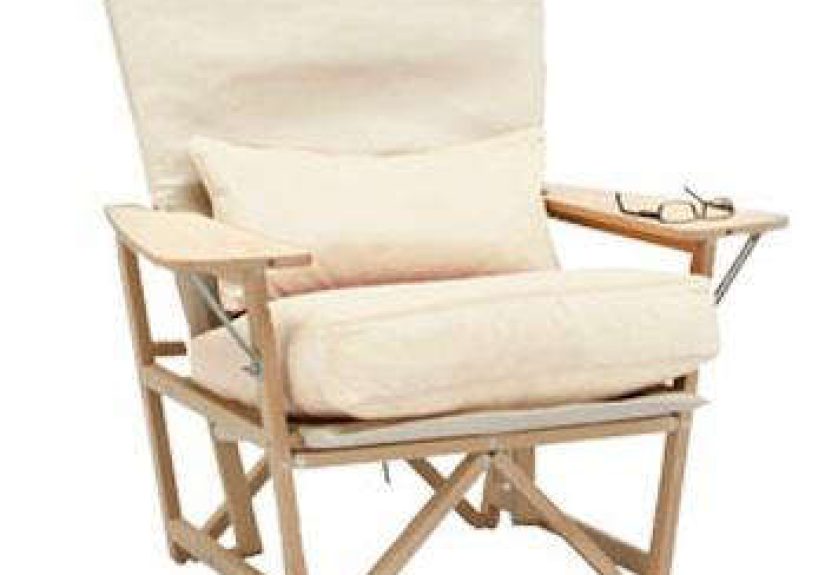
Originally introduced as part of Environment’s e’pack collection, the Walter Chair brought together several ideas that still feel fresh today: lightweight construction, reduced packaging, responsible materials, and a relaxed, lived-in look. Designed by French industrial designer Marc Berthier, the chair was made with a foldable FSC-certified birch wood frame and upholstery in recycled Army tent canvas, available in neutral and charcoal tones. In other words, it had the soul of a campaign chair, the manners of a modern lounge chair, and the sustainability credentials of a design object trying very hard not to shout about itself.
That quiet confidence is what makes the Walter Chair worth revisiting. It was not merely another “eco-friendly chair” with a leaf icon slapped on the tag. It reflected a broader shift in high-end furniture: away from heavy, overbuilt, resource-hungry pieces and toward smarter furniture that considers storage, shipping, material sourcing, longevity, and the mood of the room.
What Is the Walter Chair from Environment?
The Walter Chair was a lounge-style folding chair created for Environment, a Los Angeles-based furniture brand known for sustainable contemporary design, reclaimed materials, repurposed canvas, and a warm modern aesthetic. The chair belonged to the e’pack collection, a line centered on efficiency, environmental responsibility, and compact design.
The chair’s key features included a wood frame made from FSC-certified birch, a foldable structure, and recycled Army tent canvas upholstery. It was described as light, resistant, soft, and familiar, with the kind of worn-in character that many new chairs spend years trying to fake. The original listing placed the chair in the high-end category, with an archived price of $1,895.
That price point placed the Walter Chair firmly in the world of collectible design and premium sustainable furniture. This was not a quick “extra seat for game night” chair. This was the sort of piece that could sit in a living room, library, sunroom, or studio and say, without being obnoxious, “Yes, I have read a design magazine.”
Marc Berthier and the Beauty of Lightness
Marc Berthier was known for industrial design rooted in clarity, function, and lightness. His work often explored how an object could do more with less: less material, less visual noise, less unnecessary bulk, and fewer design gymnastics. That philosophy fits the Walter Chair beautifully.
Many lounge chairs try to win you over with size. They puff themselves up with oversized cushions, giant arms, and enough upholstery to make a small sofa feel underdressed. Walter takes a different route. Its character comes from proportion, material honesty, and portability. The folding structure is not a gimmick; it is part of the chair’s identity.
There is also a clever tension in the design. Birch wood brings order and structure. Reclaimed canvas brings texture and history. The folding frame suggests movement, while the lounge form suggests rest. The result is a chair that feels casual without becoming sloppy and refined without becoming stiff. That is not easy. Many chairs try to be relaxed and end up looking like they gave up.
Why the Materials Matter
FSC-Certified Birch Wood
One of the chair’s strongest design decisions was its use of FSC-certified birch. FSC certification matters because it points to wood sourced from responsibly managed forests. In furniture, that detail is more than a label. Wood is one of the most important materials in home design, and the way it is harvested affects forests, communities, wildlife, and long-term resource health.
Birch is also a smart choice for a chair that needs strength without unnecessary weight. It is clean, pale, versatile, and visually calm. In the Walter Chair, the wood does not beg for attention. It frames the canvas, supports the body, and adds a natural note that works well with modern, rustic, coastal, Scandinavian, and industrial interiors.
Recycled Army Tent Canvas
The use of recycled Army tent canvas gives the Walter Chair its personality. Canvas has a practical ruggedness that makes sense in seating. It is associated with field gear, outdoor equipment, utility, shelter, and movement. When reused in a home setting, it brings a subtle narrative: this material existed before the chair did.
That matters because reclaimed materials often have emotional depth. A newly manufactured fabric may be flawless, but reclaimed canvas carries a patina that cannot be ordered from a catalog. Slight irregularities, tonal variations, and softened texture make the chair feel less like a showroom prop and more like something already comfortable with real life.
That is the charm. The Walter Chair does not look like it would panic at the sight of a coffee table book, a wool throw, or a dog who believes every chair is community property.
The e’pack Collection: Compact Design Before It Was Cool
The e’pack collection was built around the idea of furniture that required minimal packaging, less storage space, and reduced energy use in transportation. Today, that sounds very relevant. Shipping efficiency, flat-pack design, modular pieces, and lower-impact logistics are now common topics in sustainable furniture. But the Walter Chair was part of that conversation early.
Flat-pack furniture often gets unfairly associated with disposable design. The e’pack idea was different. It looked at compactness not as a cost-cutting trick, but as a design responsibility. If a chair can travel more efficiently, store more easily, and use fewer resources without losing beauty or comfort, that is not compromise. That is intelligence.
This is where the Walter Chair becomes more than a handsome seat. It becomes an example of systems thinking. The design considers the product, the materials, the packaging, the transportation, and the eventual home environment. Good furniture does not begin when it enters your living room. It begins with sourcing, manufacturing, and the choices that happen long before the delivery truck arrives.
How the Walter Chair Fits Into Modern Interiors
The Walter Chair’s neutral canvas and wood frame make it flexible. It can soften a minimalist room, add structure to a casual space, or bring a grounded note to an overly polished interior. Its best quality is that it does not try too hard. It is stylish, but not dramatic. Sustainable, but not preachy. Foldable, but not flimsy-looking.
In a Living Room
In a living room, the Walter Chair works best as an accent chair rather than the main lounge throne. Place it near a low wood coffee table, a linen sofa, or a textured wool rug. The canvas upholstery pairs well with oatmeal, charcoal, olive, sand, cream, blackened wood, and soft leather. Add a simple throw pillow if you want more comfort, but avoid anything too glossy. This chair prefers honest textures over fancy theatrics.
In a Reading Nook
A Walter-style chair belongs naturally in a reading corner. Pair it with a slim floor lamp, a small side table, and a stack of books that may or may not be read soon. The folding frame keeps the area from feeling heavy, while the canvas adds just enough rugged charm. It is the kind of chair that makes a corner feel intentional instead of leftover.
In a Studio Apartment
For smaller homes, the foldable design is a real advantage. A chair that can be moved, repositioned, or tucked away has more value than a bulky lounge chair that occupies the same square footage with the confidence of a parked truck. The Walter Chair’s compact thinking makes it especially relevant for apartments, lofts, guest rooms, and flexible work-from-home spaces.
Why Sustainable Furniture Is No Longer a Niche Idea
Sustainable furniture has moved from the margins to the mainstream. Homeowners and designers now pay closer attention to reclaimed wood, recycled textiles, FSC-certified frames, low-VOC finishes, organic upholstery, repairability, and product longevity. The reason is simple: furniture is not a small purchase. It affects how a room looks, how a home feels, and how materials move through the world.
The Walter Chair sits comfortably inside this bigger design movement. It demonstrates that eco-conscious furniture does not have to look unfinished, overly rustic, or aggressively “green.” A sustainable chair can be elegant. It can be high-end. It can be fun. It can also have a personality, which is more than can be said for many beige armchairs currently pretending to be timeless.
One important lesson from Walter is that sustainability is strongest when it is built into the design from the start. The chair’s materials, folding structure, compact shipping logic, and visual character all work together. Nothing feels pasted on. That is what separates meaningful sustainable furniture from marketing sparkle dust.
Comfort, Practicality, and the Question Everyone Asks
Is the Walter Chair comfortable? Based on its design language, it was created as relaxed lounge seating rather than a rigid dining or office chair. The canvas seat and back, paired with a wood folding frame, suggest a flexible sit: supportive, casual, and slightly hammock-like. It is not the chair you choose for eight hours of spreadsheet combat. It is the chair you choose for reading, conversation, coffee, or pretending you are about to read while actually scrolling your phone.
Practicality depends on expectations. Canvas can be durable, but it also has a more casual personality than tight performance upholstery. Reclaimed fabric may show variation, and that is part of the appeal. A folding frame offers convenience, but it also means the chair should be handled with care and used as intended. This is not backyard equipment. It is refined indoor furniture with utility in its DNA.
Design Lessons from the Walter Chair
1. A Chair Can Be Light Without Feeling Cheap
Lightweight furniture sometimes gets mistaken for low-quality furniture. Walter challenges that assumption. Lightness can be a design virtue when it comes from thoughtful engineering, good materials, and restraint.
2. Reclaimed Materials Can Look Sophisticated
Reclaimed canvas does not have to feel rough or unfinished. When paired with clean wood geometry, it becomes elevated. The trick is balance: one material brings history, the other brings order.
3. Sustainability Works Best When It Improves the Object
The best sustainable design does not ask people to accept less beauty or less function. The Walter Chair’s environmentally conscious choices are also aesthetic choices. The recycled canvas looks good. The folding frame is useful. The compact structure makes sense. That is the sweet spot.
4. Timeless Design Often Whispers
The Walter Chair is not loud. It does not depend on a trendy color or a strange silhouette. Its appeal comes from proportion, usefulness, and material honesty. That is why it remains worth discussing years after its launch.
Who Would Love the Walter Chair?
The Walter Chair is ideal for people who appreciate sustainable furniture but do not want their home to look like a lecture on composting. It suits design lovers, collectors, small-space dwellers, and anyone drawn to furniture with a story. It also appeals to people who like relaxed interiors: rooms with books, natural light, woven rugs, handmade ceramics, linen curtains, old wood, and maybe one slightly dramatic plant named after a Renaissance painter.
It may not be the right fit for someone seeking plush, sink-in upholstery or a traditional recliner experience. It is more refined than cushy, more flexible than formal, and more poetic than padded. That is the point. Walter is not trying to be every chair. It is trying to be a very specific chair, and that confidence is refreshing.
Experience Notes: Living With a Chair Like Walter
A chair like the Walter Chair changes the way a room behaves. Heavy upholstered chairs tend to anchor a space permanently. Once they are placed, they often stay there for years, partly because they look right and partly because moving them feels like negotiating with a refrigerator. A lightweight folding lounge chair creates a different rhythm. It can migrate from a living room to a bedroom corner, from a sunny window to a guest area, from a reading nook to a quiet spot near the fireplace.
That mobility can be surprisingly useful in real homes. Imagine a Saturday morning when the living room is quiet, coffee is still hot, and the sunlight has found one perfect rectangle on the floor. A chair like Walter can be pulled into that light without rearranging the entire room. Later, when friends come over, it can join the conversation circle. When the room needs breathing space, it can fold away or lean discreetly near a wall. This kind of flexibility makes furniture feel less like a fixed object and more like a partner in daily life.
The canvas also affects the experience. Unlike shiny new upholstery that seems to announce every crumb, reclaimed canvas feels more forgiving. It has texture. It has attitude. It does not need to remain museum-perfect to look good. That matters in homes where people actually live. A chair should be able to handle a book tossed on the seat, a sweater draped over the back, or a guest who sits down while balancing a plate of snacks with heroic optimism.
Styling a Walter-inspired chair is also enjoyable because it welcomes contrast. Place it near a sleek black metal lamp and it becomes more modern. Pair it with a vintage trunk and it leans adventurous. Add a cream wool throw and it becomes softer. Set it beside a sculptural side table and it looks gallery-ready without acting precious. Few chairs can move between rustic, modern, and relaxed interiors so easily.
The most important experience, though, is emotional. Sustainable furniture often feels meaningful when it does not sacrifice pleasure. The Walter Chair offers that blend. It gives the user a place to sit, but it also gives the room a small story about reuse, craftsmanship, and thoughtful design. That story is not loud. It does not demand applause. It simply sits there, looking comfortable, useful, and quietly intelligent. In a world full of furniture that either tries too hard or gives up completely, that is a pretty wonderful middle ground.
Conclusion: Why the Walter Chair Still Deserves Attention
The Walter Chair from Environment remains a compelling example of sustainable furniture design because it connects form, function, and responsibility. Its FSC-certified birch frame, reclaimed Army tent canvas, folding structure, and compact e’pack philosophy all point toward a smarter way of making furniture. It is stylish, but not shallow. Practical, but not plain. Environmentally minded, but not self-righteous. That is a rare combination.
Even though the original Walter Chair is now an archived and discontinued product, its design lessons remain highly relevant. Today’s best furniture is not just about looking good in photos. It must also work hard in real homes, use materials thoughtfully, reduce unnecessary waste, and last beyond one decorating trend. Walter understood that before many people were ready to talk about it.
For anyone interested in sustainable furniture, reclaimed canvas chairs, folding lounge seating, or modern eco-friendly interiors, the Walter Chair is worth remembering. It proves that responsible design can be elegant, relaxed, and even a little charming. And honestly, if a chair can reduce packaging, reuse fabric, fold neatly, and still look handsome in a living room, it deserves a respectful nodand possibly the best corner by the window.