Table of Contents >> Show >> Hide
- The Quick Answer: Yes… But Mostly “Not Enough”
- Why People Think Alcohol “Works” (And Why It Usually Doesn’t)
- The Bigger Problem: Bed Bugs Are Built for Hide-and-Seek
- Pros’ Game Plan: How to Get Rid of Bed Bugs (The Proven Way)
- If You Still Want to Use Alcohol: The “Only If” Rules
- When to Call a Pro (A.K.A. When DIY Turns Into a Second Job)
- Common Bed Bug Myths (So You Don’t Waste Time and Money)
- FAQ: Fast Answers You Actually Need
- Real-World Experiences: What Bed Bug Battles Often Look Like (Extra )
If you’ve ever spotted a bed bug (or even suspected one), you know the emotional arc:
denial → frantic Googling → bargaining with the universe → “I WILL SET MY MATTRESS ON FIRE.”
Before you go full drama, let’s talk about one of the most common DIY ideas people reach for:
rubbing alcohol.
Here’s the honest, pest-pro-approved answer: rubbing alcohol can kill bed bugs on contact,
but it’s a risky, unreliable way to eliminate an infestation. In real homes (with real clutter, real cracks,
and real life happening), bed bugs don’t line up politely for a spray-down. They hide. They scatter. They survive.
The Quick Answer: Yes… But Mostly “Not Enough”
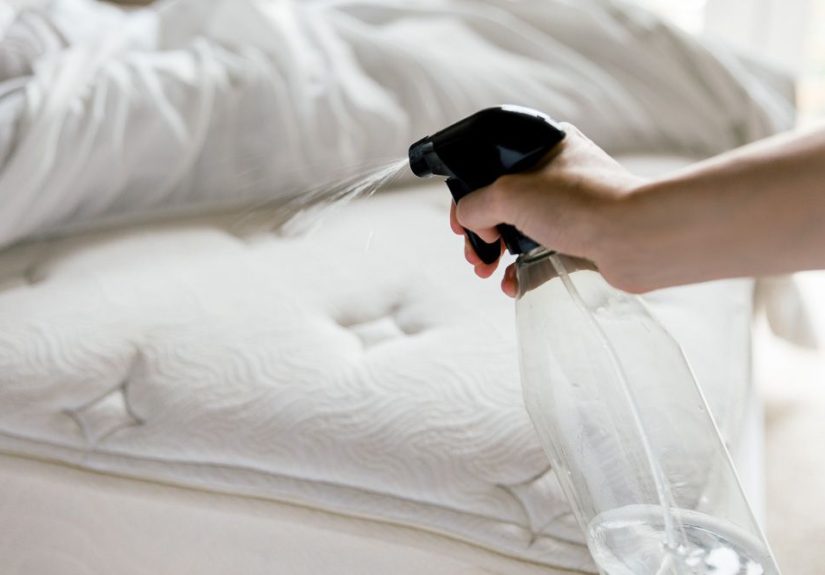
Rubbing alcohol (isopropyl alcohol) can kill bed bugs you hit directly. It works as a contact killer,
meaning the bug has to be sprayed. Once it evaporates (which it does fast), it doesn’t keep killing later.
That makes it very different from professional-grade strategies that combine physical removal, heat, sealing,
monitoring, and (when needed) carefully selected pesticides.
Pest management pros also flag a huge downside: fire risk. Alcohol is flammable, and using it broadly
around beds, upholstered furniture, outlets, and electronics is a recipe for a very bad day.
In other words: bed bugs are awful, but they are not worth turning your home into a bonfire.
Why People Think Alcohol “Works” (And Why It Usually Doesn’t)
What alcohol can do
- Spot-kill visible bugs when sprayed directly.
- Kill a few stragglers you catch in the moment (think: one on a suitcase seam).
- Help preserve a specimen for ID if you capture one in a container (useful for confirmation).
What alcohol can’t do well
- Reach deep hiding places (wall voids, baseboards, bed frames, furniture joints).
- Provide lasting protection after it dries (evaporation ends its killing power).
- Eliminate an infestation on its own, especially if bugs are spread beyond one item.
- Compete with proven IPM methods that remove bugs, block harborages, and verify results.
Research and extension guidance repeatedly land on the same theme: alcohol’s “success” tends to be limited to
direct spraysand even then, it’s not consistently lethal across real-world conditions. Meanwhile, infestations
grow when the hidden bugs keep reproducing.
The Bigger Problem: Bed Bugs Are Built for Hide-and-Seek
Bed bugs don’t live on you like fleas. They’re more like tiny, flat roommates with a talent for invisibility.
They squeeze into seams, cracks, and crevices near where people sleep or rest. That’s why elimination isn’t
a single productit’s a system.
Pros typically recommend an Integrated Pest Management (IPM) approach: multiple tactics working together,
with follow-up monitoring. Translation: you don’t just “kill bugs.” You remove hiding places, trap and verify activity,
and cut off their ability to keep thriving.
Pros’ Game Plan: How to Get Rid of Bed Bugs (The Proven Way)
Step 1: Confirm it’s actually bed bugs
Before you do anything dramatic, confirm. Many rashes and bites look similar, and not everyone reacts the same way.
Signs that raise suspicion include:
- Small dark spots on sheets or mattress seams (fecal spotting)
- Shed skins (they molt as they grow)
- Live bugs in mattress piping, headboards, or bed frame joints
- Clusters of bites (oftenbut not alwaysin lines)
If you can safely capture a bug in a small container, that can help with identification (many extension programs
and pest pros can confirm what you’re dealing with).
Step 2: Start with “non-chemical muscle”
The best first moves are physical and mechanicalbecause they’re effective, low-risk, and don’t create chemical hazards.
Pros often lean on the following:
Launder and heat-dry what you can
Bag bedding and clothing before moving it through the home. Wash, then dry on high heat when fabrics allow.
Heat is one of the most reliable bed bug killers, especially for items that can safely handle it.
Vacuum strategically (and immediately dispose of the contents)
Vacuuming can remove live bugs from accessible areas like mattress seams, box spring edges, carpet edges,
and furniture joints. Use a crevice tool to get into tight spots. After vacuuming, seal and discard the bag
(or empty the canister into a sealed bag and take it outside).
Use mattress and box spring encasements
Encasements don’t magically “cure” bed bugs, but they’re powerful in an IPM plan. They reduce hiding spots and can
trap bugs already inside so they can’t feed. The key is a high-quality encasement that fully zips and stays on.
Declutter and reduce hiding places
Bed bugs aren’t attracted to mess, but clutter gives them more places to hide. Reducing clutter makes every other step
more effective (inspection, vacuuming, treatment, and monitoring).
Monitor with interceptors
Interceptor traps placed under bed legs can help detect ongoing activity and measure whether your plan is working.
They’re not a stand-alone solution, but they’re a smart “truth serum” in the process.
Step 3: Targeted killing methods that pros trust
Steam (when used correctly)
Steam can kill bed bugs and eggs on contact when applied properly to seams, crevices, and upholstered edges.
It’s not about blasting your mattress like you’re pressure-washing the drivewayslow, methodical passes matter.
(And yes, too much moisture can be a concern on some items, so technique and placement matter.)
Heat treatment (professional-grade)
Professional heat treatment raises temperatures high enough to kill bed bugs throughout a room or structure,
including the ones you can’t reach. This is one reason many pest management companies like it:
it targets hidden harborages that sprays may miss.
EPA-registered bed bug products (used exactly as labeled)
When insecticides are part of the plan, pros emphasize legal, labeled, targeted use.
Overapplying products or using the wrong chemicals can be harmfuland may make control harder.
Some bed bug populations also show resistance to certain insecticides, which is another reason professional guidance helps.
If You Still Want to Use Alcohol: The “Only If” Rules
Pest pros generally don’t recommend rubbing alcohol as a primary control strategy. But if you’re determined to use it,
think of it as a spot toolnot “treatment.” Here’s what “spot tool” means:
- Only for a visible bug you can directly hitnever as a whole-room spray plan.
- Never around flames, smoking, candles, pilot lights, or heat sources.
- Keep away from outlets, electronics, and anything that could spark.
- Ventilate and avoid saturating fabrics (soaking increases hazards).
- Don’t treat it like a repellentit’s not a protective barrier once it dries.
If your situation is more than “I saw one bug,” skip the alcohol and move straight to an IPM plan.
When to Call a Pro (A.K.A. When DIY Turns Into a Second Job)
You should strongly consider professional help if:
- You’re seeing bugs in more than one room
- You’re in an apartment or multi-unit building (neighboring units may be involved)
- You’ve tried DIY for a couple of weeks and activity continues
- You can’t safely reduce clutter or treat items effectively
- Someone in the home has health concerns that make exposure to chemicals or bites more serious
Bed bugs don’t respect boundariesespecially in multi-family housing. Pros can coordinate treatment,
use specialized tools (including heat), and build a follow-up schedule that actually confirms elimination.
Common Bed Bug Myths (So You Don’t Waste Time and Money)
Myth: “Bed bugs only happen in dirty homes.”
Reality: Bed bugs are equal-opportunity hitchhikers. They’re attracted to people (warmth and carbon dioxide),
not to grime. Clutter can make them harder to find, but it doesn’t “cause” them.
Myth: “If I spray something strong enough, it’ll be over.”
Reality: Misuse of pesticides or household chemicals can be dangerous and ineffective. More is not better.
A real solution is coordinated: reduce hiding places, remove bugs, treat strategically, and monitor.
Myth: “Rubbing alcohol is a safe ‘natural’ fix.”
Reality: Alcohol is a chemicaland a flammable one. It can kill on contact, but it can also create serious safety hazards,
and it won’t reliably eliminate an infestation.
FAQ: Fast Answers You Actually Need
Does rubbing alcohol kill bed bug eggs?
It’s unreliable. Some sources note it may kill eggs under direct exposure, but alcohol-based sprays are widely described as
not dependable for egg control in real-world infestations. Eggs are one reason infestations rebound after “spray and pray.”
What’s better than rubbing alcohol for bed bugs?
A combined IPM approach: heat drying launderables, vacuuming, encasements, sealing cracks, interceptors,
steam/heat treatments, and (when needed) EPA-registered products applied correctlyoften with professional help.
Should I throw away my mattress?
Usually, no. Pros often recommend keeping and treating items, then using encasements and monitoring.
Throwing items out can spread bugs through the home (and into hallways) if not handled correctly.
How long does it take to get rid of bed bugs?
It depends on how widespread the infestation is and how consistent the treatment and monitoring are.
Many successful plans involve multiple steps over several weeks, plus follow-ups to confirm they’re truly gone.
Real-World Experiences: What Bed Bug Battles Often Look Like (Extra )
Bed bugs have a way of turning ordinary life into a detective storyexcept the villain is tiny, flat, and somehow always
one step ahead. Here are a few common “experience patterns” that show why rubbing alcohol alone rarely solves the problem,
and what tends to work better in the real world.
Experience #1: “I came home from a trip and suddenly my bed felt suspicious.”
A lot of infestations begin with travel. Someone notices itchy welts, then sees a tiny bug near the luggage, panics,
and grabs rubbing alcohol because it’s the fastest thing in the cabinet. They spray the visible bugsuccess!and feel
briefly victorious. Two weeks later, bites reappear. Why? Because the “win” was a single skirmish, not the war. Bed bugs
that hitchhiked in luggage don’t all stay visible; they slip into seams, baseboards, and bed frames. In these cases,
the most successful households treat travel like a containment operation: bags kept off beds, clothes bagged and heat-dried,
suitcases inspected and isolated, and interceptors used to watch for activity. Alcohol might kill the one you see, but
heat, isolation, and monitoring are what prevent “one bug” from becoming “a whole cast of characters.”
Experience #2: “I sprayed everything, and now I don’t see bugs… but I’m not sure.”
This is the most stressful stage: the uncertainty phase. People often report that after aggressive DIY spraying (sometimes
with alcohol, sometimes with random retail products), they stop seeing bugs in obvious spots. It feels like progressbut
bed bugs can respond by hiding deeper or shifting locations. That’s one reason pros love monitoring tools. Interceptors
under bed legs and routine inspections give you evidence, not vibes. The households that get to a real finish line usually
pair targeted removal (vacuuming seams and crevices, sealing cracks, encasing mattresses) with a consistent schedule:
treat → monitor → retreat if needed → monitor again. The goal isn’t “I didn’t see one today.” The goal is “monitoring shows
no activity over time.”
Experience #3: “I live in an apartment and it keeps coming back.”
Multi-unit housing adds a twist: bed bugs can move between units through walls, shared plumbing lines, and hallways.
People may do everything right in their own space and still get reinfested if neighboring units aren’t treated.
This is where rubbing alcohol becomes not just ineffective, but emotionally exhaustingit turns into daily spraying,
daily anxiety, and still no control. In these situations, success usually comes from coordination: reporting early,
documenting signs, requesting building-wide inspection strategies, and using professionals who can treat adjacent units
when necessary. It’s also where “do-it-yourself heat” attempts can become dangerous. Professional heat and a coordinated IPM plan
tend to be the turning pointbecause it’s the first time the entire ecosystem of the infestation gets addressed, not just one room.
The common theme in all these experiences is simple: bed bugs aren’t beaten by one heroic product. They’re beaten by a
boring-but-powerful systemidentification, containment, heat and removal, targeted treatment, and proof through monitoring.
Alcohol can be a tiny supporting character, but it shouldn’t be the star of the show.