Table of Contents >> Show >> Hide
- What Makes Philodendron Ring of Fire So Special?
- Best Light for Philodendron Ring of Fire
- The Right Soil Mix for Strong Roots
- How Often to Water Philodendron Ring of Fire
- Humidity and Temperature Needs
- Fertilizer: Feed the Fire, Not the Drama
- Repotting and Pot Size
- Does Philodendron Ring of Fire Need a Moss Pole?
- How to Propagate Philodendron Ring of Fire
- Common Problems and How to Fix Them
- Is Philodendron Ring of Fire Toxic?
- Final Thoughts
- Extra: Real-World Growing Experiences With Philodendron Ring of Fire
If houseplants had movie trailers, Philodendron Ring of Fire would absolutely get the dramatic voice-over. Fiery colors. Jagged leaves. A slow reveal. Occasional diva behavior. Big payoff. This rare philodendron has become a favorite among collectors because its foliage looks like someone took a tropical leaf and handed it a paintbrush loaded with green, cream, orange, yellow, and sometimes blushy pink tones.
The good news is that this plant is not impossible. The slightly less good news is that it does not reward chaos. If you give it bright indirect light, a chunky soil mix, careful watering, and a little patience, it can become one of the most eye-catching plants in your home. If you treat it like a cactus one week and a swamp plant the next, it will file a silent complaint through crispy edges and moody leaves.
This guide covers everything you need to know about how to grow and care for Philodendron Ring of Fire, from lighting and soil to watering, humidity, repotting, propagation, and common problems. Whether you just brought home a small starter plant or you are trying to keep an expensive specimen from looking offended, this article will help.
What Makes Philodendron Ring of Fire So Special?
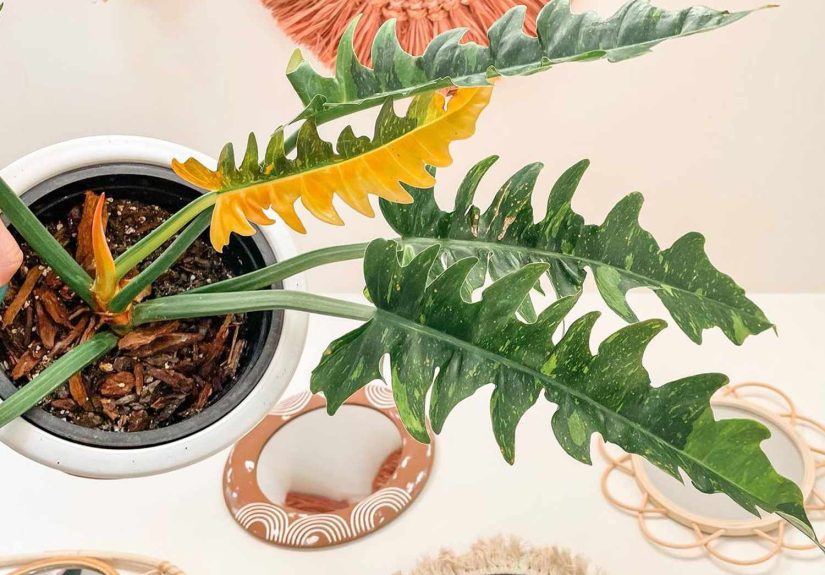
Philodendron Ring of Fire is a rare hybrid cultivar grown mainly for its foliage. The leaves are long, narrow, deeply serrated, and wildly variable from one to the next. New growth often emerges in warm shades like copper, orange, or peach before maturing into a mix of green and cream with occasional splashes of brighter color. In other words, every leaf looks like it came with its own personality.
It is also a relatively slow grower compared with more common philodendrons. That slower pace is part of why mature plants can be pricey. You are not paying for speed. You are paying for drama, texture, color, and the right to stare at your plant for five minutes straight while pretending you were doing something productive.
One useful thing to know is that growth habit can be a little flexible. Many growers keep Ring of Fire as a compact, self-heading plant, but mature plants can also benefit from support. A moss pole or sturdy stake is optional rather than mandatory. Think of it as a stylistic choice, not a life requirement.
Best Light for Philodendron Ring of Fire
Bright indirect light is the sweet spot for this plant. That means plenty of light without harsh, prolonged direct sun blasting the foliage. An east-facing window is often ideal. A west-facing window can work well too if the strongest afternoon sun is filtered by a sheer curtain. A spot a few feet back from a bright south-facing window may also do the trick.
Why does light matter so much? Because variegated plants need more light than solid green plants to maintain strong color and healthy growth. Too little light can lead to dull leaves, reduced variegation, slower growth, and stretched, awkward spacing between leaves. Too much direct sun can scorch the foliage and leave you with tan, crispy patches that look like your plant lost an argument with the sun.
If your home is short on natural light, a grow light can help. Place it close enough to be effective but not so close that the leaves overheat. The goal is steady brightness, not interrogation-lamp intensity.
The Right Soil Mix for Strong Roots
Philodendron Ring of Fire likes an airy, well-draining, chunky mix. Standard dense potting soil on its own can stay wet for too long, which raises the risk of root rot. This plant wants moisture around the roots, but it does not want to sit in soggy soil like a guest who refuses to leave after the party ended.
A good mix usually includes a high-quality indoor potting mix plus chunky additions such as orchid bark, perlite, pumice, or coco chips. Many growers use an aroid mix because it balances drainage, airflow, and moisture retention. The roots get oxygen, excess water moves out more easily, and the plant is much less likely to sulk.
Choose a pot with drainage holes. Decorative pots are great, but decorative swamps are not. If your plant lives inside a cachepot, always empty any standing water after watering.
How Often to Water Philodendron Ring of Fire
This is where many plant parents get into trouble. Ring of Fire does not want to dry bone-dry for long stretches, but it also hates consistently wet soil. The safest method is to water when the top inch or two of the soil feels dry, or when roughly the top third of the mix has dried out, depending on the size of the pot and how chunky your mix is.
When it is time to water, do it thoroughly. Water until excess drains out the bottom, then let the pot drain fully. Do not give it tiny sips on a schedule just because a calendar told you so. A plant does not care that it is “Watering Wednesday.” It cares about actual soil moisture.
Several factors affect watering frequency, including light, pot size, humidity, season, and soil mix. In spring and summer, your plant may dry faster and need more frequent watering. In winter, growth slows, the soil stays moist longer, and overwatering becomes much easier. Always check the soil before reaching for the watering can.
Humidity and Temperature Needs
Like many tropical philodendrons, Ring of Fire prefers warm conditions and moderate to higher humidity. A temperature range of about 65 to 85 degrees Fahrenheit works well. Keep it away from cold drafts, air-conditioning blasts, and chilly windows in winter. If temperatures dip too low, growth may slow dramatically and the plant can show stress.
Average household humidity is often acceptable, but this plant usually looks better with a bit more moisture in the air. Higher humidity can help leaves unfurl more cleanly and may reduce brown edges, especially during dry indoor seasons. If your home tends to be very dry, try a humidifier, a plant cluster, or a pebble tray used properly. Just do not turn your house into a tropical sauna unless everyone living with you has agreed to the terms.
Fertilizer: Feed the Fire, Not the Drama
Philodendron Ring of Fire benefits from regular feeding during the active growing season. A balanced liquid houseplant fertilizer diluted to half strength every four to six weeks in spring and summer is usually enough. Some growers prefer monthly feeding at a lighter dose. Both approaches can work as long as you avoid overdoing it.
Too much fertilizer can lead to brown tips, salt buildup, and stressed roots. More fertilizer does not equal more variegation, more growth, or a standing ovation from the plant. It usually just creates problems faster. In fall and winter, reduce feeding or pause it if growth slows significantly.
Repotting and Pot Size
Because Ring of Fire is not the fastest plant on earth, it usually does not need frequent repotting. In many homes, repotting every two to three years is enough, or sooner if the plant becomes root-bound, dries out unusually fast, or seems cramped in its container.
When you repot, move up only one pot size. Choosing a giant new pot may feel generous, but too much extra soil can stay wet too long and increase the risk of root issues. Refreshing the soil mix is often just as helpful as increasing container size.
Spring is typically the best time to repot because the plant is entering active growth and can recover more easily. If you notice black, mushy roots or a sour smell, address those problems right away rather than waiting for the perfect season.
Does Philodendron Ring of Fire Need a Moss Pole?
Not necessarily. Some plants stay fairly upright and compact, while others become more sprawling or benefit from support as they mature. If you like a fuller, bushier look, you can grow it without a pole. If you want a more vertical habit and potentially larger, more dramatic leaves over time, a moss pole or stake can be helpful.
The best answer is simple: use support if the plant seems top-heavy, leans awkwardly, or if you prefer that look. Skip it if the plant is stable and attractive on its own. This is a care decision, not a moral test.
How to Propagate Philodendron Ring of Fire
Propagation is possible, but patience matters. Because Ring of Fire is slow-growing, it is not the kind of plant that explodes into ten new babies over a long weekend. You need a healthy cutting that includes at least one node and an active growth point. A leaf without a node may stay pretty for a while, but it will not become a whole new plant.
Most growers propagate by stem cutting or top cutting. After making a clean cut with sterilized tools, you can root the cutting in water, sphagnum moss, or a light propagation mix. Keep it warm, bright, and out of harsh direct sun. Once healthy roots are established, pot it into a chunky aroid mix.
Because variegation can be inconsistent, every new plant may not look exactly like the parent right away. That is part of the charm. It is also part of the suspense.
Common Problems and How to Fix Them
Yellow Leaves
A yellow leaf is not always a disaster. An occasional older leaf may yellow naturally as the plant matures. But multiple yellow leaves, especially if they feel soft or limp, often point to overwatering, poor drainage, or insufficient light. Check the soil, inspect the roots if needed, and make sure the plant is not sitting in wet mix for too long.
Brown Crispy Edges
This usually suggests underwatering, low humidity, fertilizer salt buildup, or too much direct sun. Review your watering habits, consider boosting humidity, and flush the soil occasionally if you fertilize regularly.
Burned or Bleached Patches
That is often sun scorch. Move the plant slightly farther from direct sun or filter the light with a sheer curtain. Variegated tissue is especially vulnerable to burning.
Slow Growth
Some slow growth is normal for Ring of Fire. Still, if the plant has fully stopped, check light first. Then review temperature, fertilizer, and root health. A plant in dim light and cold air is basically on strike.
Loss of Variegation
Insufficient light is a common cause. Increase brightness gradually, but do not swing from a dark shelf to blazing afternoon sun in one dramatic move.
Pests
Watch for spider mites, mealybugs, scale, and aphids. Regularly inspect the undersides of leaves and the petioles. If you spot pests, isolate the plant and treat it with insecticidal soap, neem-based products, or another houseplant-safe control method. Consistency matters more than one heroic spray session.
Is Philodendron Ring of Fire Toxic?
Yes. Like other philodendrons, Ring of Fire should be kept away from pets and small children because it contains calcium oxalate crystals that can cause irritation if chewed or swallowed. If you have a curious cat, a determined puppy, or a toddler who thinks every leaf is a snack, choose placement carefully.
Final Thoughts
Philodendron Ring of Fire is one of those rare houseplants that manages to feel both elegant and a little wild. Its jagged, multicolored foliage makes it look demanding, but its care routine is actually straightforward once you understand the basics: bright indirect light, airy soil, measured watering, warm temperatures, and patience.
It is not the fastest grower, and it is not the cheapest plant on the shelf, but it rewards consistency with leaves that look painted by accident in the best possible way. If you want a statement plant that does not rely on flowers to steal the scene, Ring of Fire absolutely earns its spot indoors.
Extra: Real-World Growing Experiences With Philodendron Ring of Fire
One of the most relatable experiences with Philodendron Ring of Fire is that the plant often looks almost too fancy to be real when you first bring it home. Many growers expect it to be fragile because the foliage looks expensive, dramatic, and slightly high-maintenance. Then the surprising part happens: once it settles into a good spot, it is usually more about consistency than constant fussing. The people who do best with this plant are often not the ones who hover over it every six hours. They are the ones who give it a stable routine and stop changing everything every time a leaf twitches.
Another common experience is learning how slow growth changes your expectations. With faster houseplants, you can make a correction and see obvious results pretty quickly. Ring of Fire moves on its own schedule. You may adjust the light, improve the soil, and finally get the watering right, then wait a while before the plant responds with a beautiful new leaf. That delay can make new growers nervous, but it is normal. This plant teaches patience in a very specific way: it does not rush, but it absolutely keeps score.
Growers also notice that lighting makes an enormous difference in how the plant looks day to day. In a dim room, the plant may survive, but it often loses some of the excitement that made you buy it in the first place. Move it into stronger indirect light, and suddenly the new leaves begin to show more vivid color and cleaner shape. It is one of those plants that can make you feel like a genius for moving it three feet to the left.
Humidity is another area where real-life experience matters. A lot of people discover that the plant can live in average humidity, but it behaves better when the air is not too dry. Leaves tend to unfurl more smoothly, edges stay cleaner, and the overall look is more polished. You do not need to turn your living room into a rainforest exhibit, but you may notice fewer cosmetic issues when the plant is not sitting near heating vents or dry drafts.
Perhaps the biggest lesson growers learn is that Ring of Fire rewards observation. The best care routine is rarely copied word for word from someone else’s home. Your light, pot size, airflow, climate, and watering habits all matter. Successful plant owners tend to check the soil, watch the leaves, and adjust gradually rather than following rigid schedules. Over time, the plant becomes easier to read. A slightly softer leaf, a slower dry-down, or a tighter unfurl starts to tell you what it needs. And once that happens, caring for Philodendron Ring of Fire feels less like decoding a mystery and more like knowing the quirks of a very stylish roommate.