
Table of Contents >> Show >> Hide
- Why Smoke a Turkey Instead of Roasting It?
- Choose the Right Turkey
- Equipment You Need
- Best Wood for Smoked Turkey
- Dry Brine vs. Wet Brine
- Simple Smoked Turkey Seasoning
- Should You Spatchcock the Turkey?
- How to Smoke a Turkey Step by Step
- How Long Does It Take to Smoke a Turkey?
- Common Smoked Turkey Mistakes
- What to Serve With Smoked Turkey
- Extra Experience: Real-World Lessons for a Better Smoked Turkey
- Conclusion
- SEO Tags
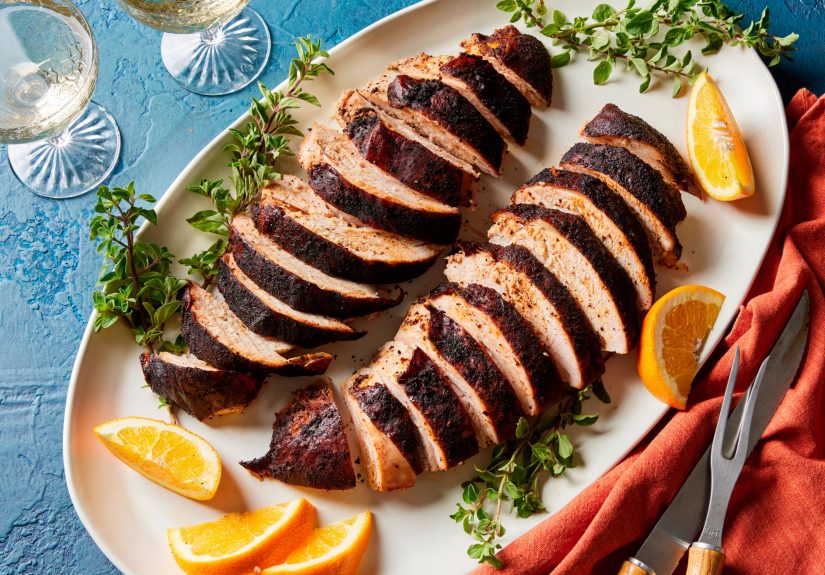
Smoking a turkey is the culinary equivalent of showing up to Thanksgiving in a velvet jacket: a little dramatic, wildly memorable, and somehow appropriate when done with confidence. A smoked turkey brings deep savory flavor, gently crisped skin, and juicy meat that tastes like it spent the afternoon at a backyard spa filled with applewood, herbs, and butter.
The best part? You do not need to be a competition pitmaster with a beard full of secrets. You need a thawed turkey, a steady smoker, a thermometer, salt, patience, and the emotional strength not to open the lid every seven minutes “just to check.” This guide walks you through how to smoke a turkey from start to finish, including brining, seasoning, wood choice, smoker temperature, cooking time, food safety, carving, and real-world tips that help your bird become the main event instead of a dry holiday obligation.
Why Smoke a Turkey Instead of Roasting It?
Roast turkey is classic, reliable, and perfectly respectable. Smoked turkey, however, has personality. The low, steady heat gently cooks the bird while wood smoke adds flavor that an oven simply cannot deliver. The meat becomes fragrant and savory, the skin turns beautifully golden, and the drippings can make gravy with a smoky backbone that tastes like it knows a few campfire stories.
Smoking also frees up oven space, which is a holiday miracle right up there with someone else volunteering to wash the roasting pan. While the turkey cooks outdoors, your oven can handle casseroles, rolls, pies, and that one dish your aunt insists is “famous” even though it is mostly marshmallows and ambition.
Choose the Right Turkey
Best Size for Smoking
For the most even results, choose a turkey between 10 and 14 pounds. Larger birds can be smoked successfully, but they take longer and may cook unevenly. If you need to feed a big crowd, two smaller turkeys are often better than one giant bird. They cook faster, absorb smoke more evenly, and reduce the risk of dry breast meat before the thighs finish cooking.
Fresh, Frozen, Natural, or Pre-Brined?
A natural turkey gives you the most control over seasoning and brining. A pre-brined or “enhanced” turkey already contains a salt solution, so go easy on extra salt. If you dry brine a pre-brined turkey like it owes you money, the finished bird can taste more like deli meat than dinner.
If using a frozen turkey, thaw it safely in the refrigerator. Plan ahead, because turkey thawing is not a last-minute hobby. Depending on size, it may take several days. A fully thawed bird cooks more evenly and gives your brine or seasoning a fair chance to do its job.
Equipment You Need
You can smoke a turkey on a pellet grill, charcoal smoker, offset smoker, kamado grill, or kettle grill set up for indirect cooking. The equipment matters less than temperature control. A fancy smoker cannot save a bird if the cook treats the thermometer like optional decoration.
- One 10- to 14-pound turkey
- Smoker or grill set up for indirect heat
- Fruit wood or mild hardwood
- Instant-read thermometer
- Leave-in probe thermometer, if available
- Wire rack and sheet pan
- Heat-safe gloves
- Heavy-duty foil
- Sharp carving knife
Use the instant-read thermometer to check several spots near the end of cooking. A leave-in probe is helpful, but it is not a substitute for checking the thickest part of the breast and thigh before serving.
Best Wood for Smoked Turkey
Turkey is delicate compared with brisket or pork shoulder, so choose wood that adds flavor without bullying the bird. Apple, cherry, pecan, maple, and peach are excellent choices. Hickory can work in small amounts, but too much may overpower the meat. Mesquite is bold and can turn your turkey into a smoky campfire with wings, so use it carefully or skip it.
Flavor Guide
- Apple: Mild, sweet, classic for poultry.
- Cherry: Slightly fruity and gives the skin a beautiful color.
- Pecan: Nutty, warm, and richer than apple.
- Maple: Gentle sweetness that pairs well with herbs and butter.
- Hickory: Stronger, savory, best mixed with a milder wood.
Dry Brine vs. Wet Brine
Brining is the secret handshake of juicy turkey. It seasons the meat deeply and helps it hold moisture during cooking. You have two main options: dry brine and wet brine.
Dry Brine
A dry brine is simple: salt the turkey and let it rest uncovered in the refrigerator. The salt draws out moisture at first, then that seasoned liquid is reabsorbed into the meat. The uncovered rest also helps dry the skin, which is important because wet skin and crispy skin are not exactly best friends.
For a basic dry brine, use about 1 tablespoon of kosher salt for every 4 pounds of turkey. Add black pepper, garlic powder, onion powder, paprika, thyme, sage, rosemary, or lemon zest for extra flavor. Apply the mixture over the skin, inside the cavity, and, if you are comfortable doing so, gently under the skin over the breast meat.
Wet Brine
A wet brine uses saltwater, often with sugar, herbs, citrus, bay leaves, peppercorns, and aromatics. It can produce juicy meat, but it requires a large food-safe container and plenty of refrigerator space. Wet brining may also make the skin harder to crisp unless you dry the turkey uncovered afterward.
For smoked turkey, dry brining is often the easier and more reliable choice. It gives you flavor, moisture, and better skin without asking you to rearrange your refrigerator like a game of holiday Tetris.
Simple Smoked Turkey Seasoning
Turkey loves herbs, butter, garlic, pepper, citrus, and a little sweetness. The goal is balance. You want the seasoning to support the smoke, not cover the turkey in a spice mask.
Basic Herb Rub
- 2 tablespoons kosher salt, only if the turkey is not pre-brined
- 2 tablespoons brown sugar
- 1 tablespoon black pepper
- 1 tablespoon smoked paprika
- 2 teaspoons garlic powder
- 2 teaspoons onion powder
- 2 teaspoons dried thyme
- 1 teaspoon dried sage
- 1 teaspoon dried rosemary, crushed
If you dry brined the turkey with salt, leave the salt out of the rub. Before smoking, rub the skin with softened butter or neutral oil, then apply the seasoning. Butter adds richness; oil can help the skin brown more evenly. Either way, do not slather on so much that the bird looks like it is training for a wrestling match.
Should You Spatchcock the Turkey?
Spatchcocking means removing the backbone and flattening the turkey. It sounds like something invented by pirates, but it is one of the best ways to cook poultry evenly. A spatchcocked turkey cooks faster, exposes more skin to heat, and helps the breast and thighs finish closer together.
If you want picture-perfect Norman Rockwell presentation, keep the bird whole. If you want easier carving, faster cooking, and more even results, spatchcock it. Both methods work. The turkey will not judge you. It is already having a big day.
How to Smoke a Turkey Step by Step
Step 1: Thaw and Prep the Turkey
Remove the turkey from its packaging. Take out the neck and giblets from the cavity. Pat the bird very dry with paper towels. Trim any loose skin or excess fat near the cavity opening. If you plan to spatchcock it, use sturdy kitchen shears to cut along both sides of the backbone, remove it, then press firmly on the breastbone to flatten the bird.
Step 2: Brine Overnight
Apply your dry brine or place the turkey in a wet brine. For dry brining, set the turkey on a rack over a sheet pan and refrigerate uncovered for 12 to 24 hours. For even deeper flavor, you can dry brine up to 48 hours, especially with a larger bird. The skin may look a little tight or dry afterward. That is not a problem; that is the beginning of better browning.
Step 3: Season Before Smoking
Remove the turkey from the refrigerator while you prepare the smoker. Let it sit at room temperature for about 30 minutes, but do not leave it out for hours. Brush the skin with melted butter or oil. Add your salt-free rub if the turkey was already brined. Tuck wing tips behind the shoulders if cooking the bird whole, and tie the legs loosely if desired.
Step 4: Preheat the Smoker
Set the smoker to 275°F to 325°F. Lower temperatures give more smoke exposure, but turkey skin can become rubbery if cooked too low for too long. A good strategy is to start around 250°F to 275°F for the first hour, then raise the heat to 325°F until the turkey is done. This gives you smoke flavor and better skin texture.
If using a charcoal grill, set it up for indirect heat by placing coals on one side or on both sides with the turkey in the cooler zone. Add a drip pan underneath. Keep the lid closed as much as possible, and adjust vents to control heat.
Step 5: Smoke the Turkey
Place the turkey breast side up on the smoker grate. Insert a probe thermometer into the thickest part of the breast, avoiding bone. Add wood chunks or pellets according to your smoker type. Close the lid and let the smoke do its quiet, fragrant work.
A 12-pound turkey may take roughly 3 to 4 hours at 300°F to 325°F, but time is only an estimate. Weather, smoker type, bird shape, and how often you open the lid all matter. Cook by temperature, not by the clock. The clock has never eaten dry turkey and felt remorse. You have.
Step 6: Watch the Skin
If the skin becomes dark before the turkey is fully cooked, tent the bird loosely with foil. Do not wrap it tightly unless you want to steam the skin. If the skin looks pale near the end, raise the smoker temperature slightly for the final stretch, or move the turkey to a hotter grill or oven for a few minutes.
Step 7: Check for Doneness
The turkey is safe when the thickest part of the breast and the innermost part of the thigh reach 165°F. Check more than one spot with an instant-read thermometer. Avoid touching bone, because bone can give a misleading reading.
Some experienced cooks pull breast meat a few degrees early and rely on carryover cooking, but for a beginner-friendly guide, the simplest safe target is 165°F. The turkey should rest after cooking, and the temperature may rise slightly during that time.
Step 8: Rest Before Carving
Rest the smoked turkey for at least 20 to 30 minutes before carving. For a large bird, 45 minutes is fine. Tent it loosely with foil, but do not seal it up like leftovers. Resting helps juices redistribute so they stay in the meat instead of flooding the cutting board like a tiny poultry river.
How Long Does It Take to Smoke a Turkey?
At 275°F, plan for about 15 to 20 minutes per pound. At 325°F, plan for about 12 to 15 minutes per pound. A spatchcocked turkey may cook faster than a whole turkey. These are only planning estimates, not promises written in smoke.
| Turkey Size | Approximate Time at 275°F | Approximate Time at 325°F |
|---|---|---|
| 10 pounds | 2.5 to 3.5 hours | 2 to 3 hours |
| 12 pounds | 3 to 4 hours | 2.5 to 3.5 hours |
| 14 pounds | 3.5 to 4.5 hours | 3 to 4 hours |
Always allow extra time. A turkey that finishes early can rest. A turkey that finishes late can turn a cheerful dinner into a room full of people pretending crackers are appetizers.
Common Smoked Turkey Mistakes
Using Too Much Smoke
More smoke does not always mean more flavor. Heavy smoke can make turkey taste bitter. Use a moderate amount of mild wood and aim for clean, thin smoke. Thick white smoke may look impressive, but it can taste harsh.
Skipping the Thermometer
Color is not a reliable doneness test. Smoked poultry can look pink near the bone or under the skin because of smoke reactions, even when fully cooked. Use a thermometer. The turkey deserves science, not guesswork.
Cooking Too Low the Whole Time
Low-and-slow works beautifully for fatty cuts like pork shoulder, but turkey is lean. Cooking too low for too long can dry it out and leave the skin rubbery. Moderate heat is your friend.
Over-Salting a Pre-Brined Bird
Check the label. If the turkey says it contains a solution, reduce or skip additional salt. You can still use herbs, pepper, garlic, citrus, paprika, and butter for flavor.
What to Serve With Smoked Turkey
Smoked turkey pairs well with classic holiday sides and backyard barbecue favorites. Try mashed potatoes, cornbread dressing, green beans, cranberry sauce, roasted carrots, mac and cheese, sweet potatoes, or a crisp apple slaw. For sauce, a smoky gravy is excellent, but a bright cranberry-orange relish cuts through the richness beautifully.
Leftover smoked turkey is also a gift to your future self. Use it in sandwiches, turkey chili, soup, quesadillas, pot pie, salads, breakfast hash, or smoky turkey and rice. Refrigerate leftovers promptly and use them within 3 to 4 days, or freeze them for longer storage.
Extra Experience: Real-World Lessons for a Better Smoked Turkey
The first big lesson of smoking a turkey is that calm beats clever. Many cooks get nervous and start changing everything mid-cook. They add more wood, open the lid repeatedly, rotate the bird every few minutes, baste constantly, and generally treat the smoker like a nervous parent watching a school play. The better move is to set up steady heat, monitor the internal temperature, and let the turkey cook without too much drama.
One practical trick is to do a “test run” before a major holiday. Smoke a turkey breast, a small whole turkey, or even a chicken using the same seasoning and wood you plan to use for the big meal. This teaches you how your smoker behaves, how quickly it burns fuel, where the hot spots are, and whether your preferred wood is too strong. It is much easier to learn these lessons on a quiet weekend than with twelve hungry relatives asking when dinner will be ready.
Another experience-based tip: keep the seasoning simple the first time. A smoked turkey does not need seventeen spices, three sauces, and a motivational speech. Salt, pepper, garlic, herbs, butter, and a mild fruit wood can produce an incredible bird. Once you master the basics, you can experiment with maple butter, Cajun seasoning, citrus-herb rubs, hot honey glaze, or a barbecue-style spice blend.
Pay attention to airflow and placement. In many smokers, the side closest to the firebox or heat source runs hotter. If one side of the turkey browns faster, rotate it once during the cook. Do not spin it constantly. One thoughtful adjustment is useful; twenty anxious adjustments are just cardio with tongs.
For better skin, avoid heavy basting. Every time you mop liquid onto the skin, you cool it down and add moisture. That can work against crispness. If you want extra richness, place compound butter under the breast skin before cooking or brush the outside lightly with oil before seasoning. Near the end, a higher smoker temperature can help tighten and brown the skin.
Finally, carve with confidence. Remove the legs and thighs first, then the wings, then slice the breast meat against the grain. If you spatchcocked the turkey, carving is usually easier because the bird is already flatter and more accessible. Arrange the meat on a warm platter and spoon a little warm broth or melted butter over the slices if needed. Nobody has to know. Great cooks use small tricks; they just do not announce them like breaking news.
Conclusion
Learning how to smoke a turkey is less about complicated barbecue wizardry and more about smart preparation. Choose a manageable bird, brine it properly, use mild wood, control the smoker temperature, trust a thermometer, and let the turkey rest before carving. Do that, and you will serve a bird with juicy meat, savory smoke, golden skin, and enough flavor to make oven-roasted turkey quietly reconsider its life choices.
Whether you are cooking for Thanksgiving, Christmas, a summer cookout, or a Sunday dinner that accidentally became legendary, smoked turkey is worth the effort. It is flavorful, impressive, and surprisingly practical once you understand the process. Best of all, it gives you the kind of leftovers that make tomorrow’s sandwich feel like a reward.





 Close
Close