
Table of Contents >> Show >> Hide
- What Is Pinkeye, Exactly?
- The Big Four: Main Causes of Pinkeye
- Quick Comparison: What Type of Pinkeye Do I Have?
- Treatments That Actually Help (By Cause)
- Home Care Checklist (The “Don’t Make It Worse” Edition)
- When Can You Go Back to School or Work?
- When to See a Clinician Urgently
- How Clinicians Decide: Testing vs. Treating
- Prevention: How to Avoid the “Office Pinkeye Tour”
- Real-Life Experiences: What Pink Eye Actually Feels Like (and What People Learn)
- Conclusion
Pinkeye (also called conjunctivitis) is one of those annoyingly common things that can make you look like you just finished an emotional movie marathon
even if all you did was yawn near a dusty fan. The good news: most cases are mild and clear up with simple care. The tricky part: “pinkeye” isn’t one single illness.
It’s a symptom umbrella with multiple causes, and the right treatment depends on which cause is throwing the tantrum in your eye.
In this guide, we’ll break down the most common pink eye causes, how to tell them apart, what treatments actually help (and what’s a waste of time),
and when you should stop Googling and start calling a clinician.
What Is Pinkeye, Exactly?
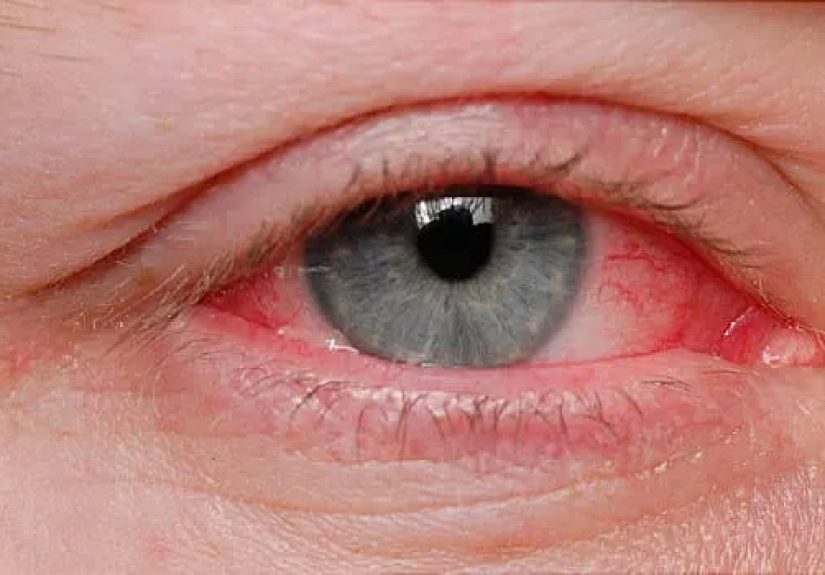
Pinkeye happens when the conjunctivathe clear membrane covering the white part of the eye and lining the inside of the eyelidsgets inflamed.
When that tissue is irritated or infected, it can look red or pink because the tiny blood vessels become more visible.
You might also notice tearing, itchiness, burning, discharge, or eyelid swelling.
The Big Four: Main Causes of Pinkeye
Most pinkeye fits into four categories: viral, bacterial, allergic, or irritant (like chemicals or smoke).
Let’s unpack each onebecause your eye deserves better than a one-size-fits-all approach.
1) Viral Conjunctivitis (The “It’ll Run Its Course” Kind)
Viral conjunctivitis is one of the most common causes, often linked to the same viruses behind colds.
It tends to spread easily (especially in schools, dorms, offices, and anywhere people share air and… questionable hand hygiene).
Many cases start in one eye and move to the other.
- Typical clues: watery discharge, gritty feeling, mild swelling, recent cold symptoms, possible tender lymph node near the ear.
- How long it lasts: often about 1–2 weeks, sometimes longer depending on the virus and your immune system.
- Special note: some viruses (like herpes simplex) can involve the eye and may need antiviral treatment and urgent evaluation.
2) Bacterial Conjunctivitis (The “Goopy Discharge” Kind)
Bacterial conjunctivitis can cause thicker dischargesometimes yellow or greenand eyelids that stick together, especially in the morning.
It’s also contagious. Some mild cases improve on their own, but antibiotics may be helpful in certain situations.
- Typical clues: thicker discharge, crusting, one eye may be worse, less “cold-like” symptoms than viral (but overlap is common).
- How long it lasts: can improve in a few days; may take longer without treatment.
- Important exception: hyperacute conjunctivitis (copious pus, significant pain, rapidly worsening symptoms) can be an emergency.
3) Allergic Conjunctivitis (The “Itchy, Both Eyes, Here We Go Again” Kind)
Allergic conjunctivitis is not contagious. It’s your immune system reacting to allergens like pollen, pet dander, dust mites, or mold.
It often shows up seasonally or alongside other allergy symptoms (sneezing, runny nose).
- Typical clues: intense itching, watery eyes, both eyes involved, seasonal pattern, other allergy symptoms.
- How long it lasts: as long as you’re exposed to the trigger.
- Bonus clue: if itching is the star of the show, allergies jump to the top of the suspect list.
4) Irritant or Chemical Conjunctivitis (The “Why Did I Stand Next to That Bonfire?” Kind)
Smoke, chlorine, harsh fumes, air pollution, or a splash of household cleaner can inflame the conjunctiva.
This type isn’t contagious, but it can feel miserable.
- Typical clues: burning, watering, known exposure (pool day, cleaning products, smoke), symptoms improve when away from the irritant.
- Urgent warning: chemical splashesespecially alkali chemicalsrequire immediate flushing and emergency evaluation.
Quick Comparison: What Type of Pinkeye Do I Have?
There’s no single symptom that perfectly separates viral from bacterial, and clinicians often diagnose based on the whole story:
your symptoms, exposures, timing, and exam findings. Still, this cheat sheet helps:
| Type | Discharge | Itching | Contagious? | Best First-Line Treatment |
|---|---|---|---|---|
| Viral | Watery/teary | Sometimes mild | Yes | Supportive care (tears, compresses, hygiene) |
| Bacterial | Thick, crusty | Usually mild | Yes | Sometimes antibiotics; often supportive care too |
| Allergic | Watery | Strong | No | Allergen avoidance + antihistamine/mast-cell stabilizer drops |
| Irritant | Watery | Not typical | No | Remove irritant + rinse + soothing drops/compresses |
Treatments That Actually Help (By Cause)
Viral Pink Eye Treatment
Viral conjunctivitis usually doesn’t need prescription medication. The goal is comfort while your body clears the infection.
Think: symptom relief and not spreading it.
- Artificial tears (preservative-free if you’re using them often) to ease dryness and irritation.
- Cool compresses (clean washcloth, cool water) to reduce redness and swelling.
- Don’t share towels, pillowcases, eye makeup, or anything that touches your face.
- Handwashing like it’s your new hobby: before/after touching your eyes.
If a clinician suspects herpes-related eye involvement, treatment changesantivirals may be needed and delays can be risky.
This is one reason “it’s probably just pinkeye” isn’t always the whole story.
Bacterial Pink Eye Treatment
Here’s the nuance: not every bacterial-looking case needs antibiotics. Some mild bacterial conjunctivitis improves without them,
and overusing antibiotic drops can contribute to resistance and unnecessary side effects.
That said, antibiotics may be recommended when symptoms are more significant, when risk is higher, or when a quick return to school/work policy is involved.
- Prescription antibiotic drops/ointment may shorten the course in some cases.
- Supportive care still matters: compresses, gentle cleaning of crusting, artificial tears.
- Contact lens wearers: stop wearing lenses immediately and talk to a clinicianrisk of more serious infection is higher.
If you see copious pus, severe pain, rapid worsening, or vision changes, treat it as urgent.
Some infections can threaten the cornea and need same-day evaluation.
Allergic Pink Eye Treatment
Allergic conjunctivitis is about calming the immune reaction and reducing allergen exposure. It’s also the one type where
you can sometimes feel better fastbecause once the itch is controlled, your mood improves by approximately 700%.
- Avoid triggers when possible (close windows on high pollen days, shower after outdoor time, wash bedding regularly).
- Cold compresses can reduce itching and swelling.
- Antihistamine/mast-cell stabilizer eye drops are commonly used for relief.
- Oral allergy meds may help if you also have sneezing/runny nose.
Irritant/Chemical Pink Eye Treatment
The fix is simple in theory: remove the irritant. In practice, your eyes might still complain for a bit.
- Rinse with clean water or sterile saline if you were exposed to dust, smoke, or mild irritants.
- Artificial tears and cool compresses for comfort.
- Emergency care for chemical splashes, severe burning, or ongoing pain.
Home Care Checklist (The “Don’t Make It Worse” Edition)
Do
- Wash hands frequently, especially after touching your face or eyes.
- Use a clean towel and change pillowcases if discharge is present.
- Clean crusting gently with warm water and clean cotton/gauze.
- Throw away eye makeup used during infection (mascara is not a team player here).
- Stop contact lenses until a clinician says it’s safeand replace disposable lenses/cases as advised.
Don’t
- Don’t use someone else’s eye drops (sharing bacteria and viruses is not bonding).
- Don’t wear contacts “just for a few hours” while symptomatic.
- Don’t use steroid eye drops unless specifically prescribed for youthese can worsen certain infections.
- Don’t assume antibiotics are required for every red eye.
When Can You Go Back to School or Work?
This is where medicine meets real life and someone’s policy binder. Public health guidance often focuses on whether you can avoid close contact,
whether you have systemic symptoms, and whether you can maintain hygiene. Many schools have rules about returning after starting antibiotic drops,
even though not all pinkeye needs antibiotics. In other words: the policy may be more rigid than the science.
Practical rule of thumb: if symptoms are mild, you’re feeling well, and you can do good hand hygiene and avoid rubbing your eyes,
return may be reasonablebut follow your clinician’s guidance and your school/work rules.
If you have fever or feel generally ill, staying home makes sense regardless of what your eyeball is up to.
When to See a Clinician Urgently
Pinkeye is usually mild, but some symptoms suggest something more seriouslike keratitis (corneal infection), uveitis, or a dangerous bacterial infection.
Seek prompt care if you have:
- Eye pain (more than mild irritation)
- Light sensitivity or blurred vision
- Symptoms that rapidly worsen or don’t improve over a few days
- Contact lens use with redness, pain, discharge, or vision change
- Severe pus-like discharge
- Newborns with eye discharge/redness (always needs medical evaluation)
- Weakened immune system or eye disease history
How Clinicians Decide: Testing vs. Treating
Most routine conjunctivitis is diagnosed clinicallymeaning your history and eye exam guide the plan.
Cultures or lab tests are usually reserved for unusual, severe, recurrent, or high-risk cases.
This is also why it’s not always possible to self-diagnose perfectly:
viral and bacterial conjunctivitis can overlap in appearance, and even trained professionals use pattern recognition plus risk factors.
Prevention: How to Avoid the “Office Pinkeye Tour”
- Wash hands frequentlyespecially after wiping noses or handling tissues.
- Avoid touching eyes with unwashed hands (easier said than done, but worth trying).
- Don’t share makeup, eye drops, towels, pillowcases, or contact lens supplies.
- Contact lens hygiene: never rinse lenses in tap water, avoid water exposure while wearing lenses, and follow cleaning/replacement schedules.
- Allergy management: reduce triggers with cleaning, air filters, and seasonal planning.
Real-Life Experiences: What Pink Eye Actually Feels Like (and What People Learn)
Most people don’t remember their first lesson in conjunctivitis until it shows up uninvited. One parent described it like this:
“My kid woke up with one eye glued shut like a tiny pirate who lost a battle with a jar of honey.” That sticky-lid morning panic is common
and it often triggers the big question: Is this contagious? Do I need antibiotics? Are we about to cancel everything this week?
A frequent experience with viral pinkeye is the slow realization that you can’t “power through” it with drops alone. People try a warm compress, then a cool compress,
then they stand in front of the mirror negotiating with their eyeball like it’s a toddler: “If you stop being red, I’ll stop checking you every 12 minutes.”
Viral conjunctivitis often comes with a watery, gritty feeling and the emotional inconvenience of being contagiousespecially in workplaces or classrooms where
keyboards, pens, and door handles get shared like communal snacks.
Allergy-related pinkeye has its own personality. Folks often say the itch is the giveaway: “It wasn’t painfulit was itchy in a way that made me feel
like my eyelids were wearing wool sweaters.” Many people also notice the pattern: both eyes, same time, same season. Once they start using allergy-focused drops,
cold compresses, and reduce triggers (like pollen-coated bedding or pet dander in the bedroom), the improvement can be dramatic. The big lesson here is that
antibiotics don’t fix allergiesno matter how convincing the redness looks.
Contact lens wearers frequently have the most “I will never do that again” stories. Someone might admit they fell asleep in lenses, rinsed a case with tap water,
or wore lenses during a gym shower “just this once.” Then the eye gets red and increasingly uncomfortable. The wise moveshared by many who’ve been through it
is to remove the lens immediately and get evaluated sooner rather than later, especially if there’s pain or light sensitivity. The takeaway isn’t shame; it’s prevention:
your cornea is not a fan of shortcuts.
Another common story is the school-policy dilemma. Parents describe the pressure to get antibiotic drops “just to return in 24 hours,” even when the case looks viral.
Some families end up focusing less on the label (“bacterial vs. viral”) and more on what actually prevents spread: handwashing, not sharing towels, replacing eye makeup,
and keeping kids home when they’re truly too symptomatic to participate.
The overall theme from real-life experiences is reassuring: most pinkeye is inconvenient, not dangerous. The best outcomes usually come from matching treatment to cause,
resisting the urge to self-prescribe leftover drops, and knowing the red flags that deserve faster care.
Conclusion
Pinkeye is common, uncomfortable, and often highly contagiousbut it’s also usually manageable. The most important step is identifying the likely cause:
viral cases typically need supportive care, allergic cases respond best to allergy strategies, and bacterial cases sometimes benefit from antibioticsespecially in higher-risk situations.
Protect your eyes (and everyone else’s) with good hygiene, avoid contact lenses when symptomatic, and take warning signs seriouslypain, light sensitivity, vision changes,
severe discharge, or symptoms in newborns all warrant prompt evaluation.






 Close
Close