Table of Contents >> Show >> Hide
- First, Know What Cocoa Powder Does in a Recipe
- The Gold-Standard Swap: Unsweetened Chocolate for Cocoa Powder
- Using Chocolate Chips or Chopped Chocolate Pieces (Semisweet/Bittersweet)
- Conversion Cheat Sheet (Fast, Practical, and Slightly Bossy)
- Leavening: The Sneaky Part That Can Make Your Cake Sad
- Recipe-by-Recipe: How to Make the Swap Without Drama
- Worked Examples (So You Can Stop Guessing)
- Troubleshooting: When Your Substitution Gets a Little Weird
- Pro Tips for Better Results (Because You Deserve That)
- Extra: Real-Life Experiences From the Cocoa Powder Emergency Zone ()
- Conclusion
You’re halfway through baking, the mixer’s humming, your kitchen smells like dreams… and then you realize: no cocoa powder. Just a bag of chocolate chips staring at you like, “We can do this… probably.”
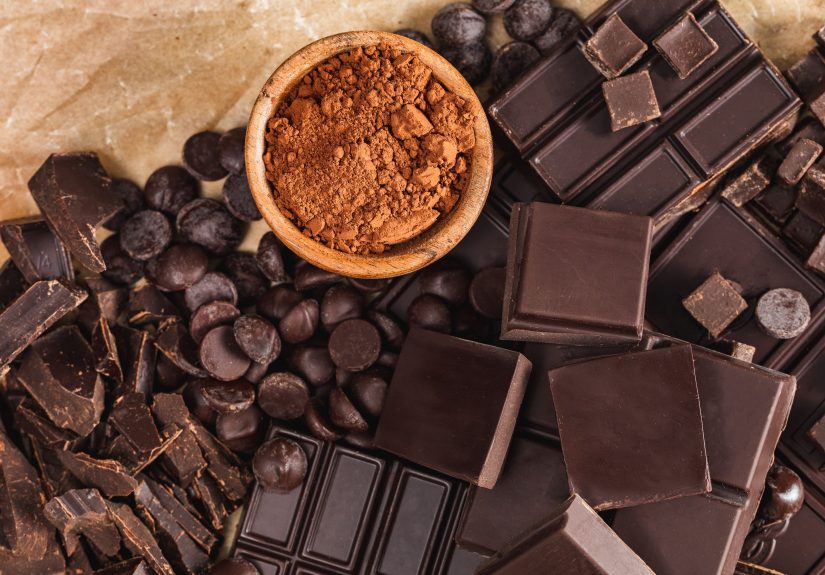
Good news: you can substitute chocolate pieces for cocoa powder in many recipes. The less-good news: cocoa powder and chocolate pieces aren’t interchangeable twinsthey’re more like cousins who share a last name and absolutely do not share a personality. Cocoa powder is mostly cocoa solids (with little to no sugar and comparatively low fat). Chocolate pieces are cocoa solids plus cocoa butter (fat) and often sugar (and sometimes milk).
This guide will show you how to do the swap without turning your cake into a chocolate-flavored pothole. We’ll cover conversions, when to adjust fat/sugar/liquid, how leavening comes into play, and specific examples so you can bake confidently.
First, Know What Cocoa Powder Does in a Recipe
Cocoa powder isn’t just “chocolate flavor dust.” It usually plays three roles:
- Flavor: concentrated chocolate taste without extra sweetness.
- Structure: a dry ingredient that behaves a lot like flour (it binds water and thickens batter).
- Chemistry: natural cocoa is acidic, which can react with baking soda to help baked goods rise. Dutch-process cocoa is alkalized (less acidic) and behaves differently with leaveners.
Chocolate pieces bring intense flavor toobut they also bring fat (cocoa butter) and often sugar. That means your substitute plan must answer one key question: “What do I need to remove or adjust so the recipe stays balanced?”
The Gold-Standard Swap: Unsweetened Chocolate for Cocoa Powder
If you have a bar of unsweetened baking chocolate (or very dark chocolate with little to no sugar), you’re in the best possible situation. Why? Because it’s closest in “chocolate purity” to cocoa powderjust with added fat.
The Core Conversion
For every 3 tablespoons of cocoa powder, use 1 ounce (28g) unsweetened chocolate, and then reduce the fat in the recipe by about 1 tablespoon to compensate.
In plain English: you’re trading dry cocoa solids for chocolate that contains cocoa solids plus cocoa butter, so you pull back a little butter/oil so your bake doesn’t go greasy or dense.
How to Add It (So It Doesn’t Turn Into Random Chocolate Pebbles)
- Melt the chocolate with part of the recipe’s butter/oil (or gently melt it alone).
- Let it cool slightly (warm is fine; scorching hot is notunless you want scrambled eggs in your batter).
- Add it where the fat/sugar is mixed (often early in the recipe), so it disperses evenly.
Tip: If a recipe is “mix all dry ingredients” and cocoa powder is part of that dry blend, you’re changing method, not just ingredients. That’s okayjust melt and incorporate thoughtfully.
Using Chocolate Chips or Chopped Chocolate Pieces (Semisweet/Bittersweet)
This is the situation most people actually have: a bag of semisweet chips, chunks, or chopped bars. These can work, but you need to account for two things:
- Extra sugar (chips are sweetened)
- Extra fat (cocoa butter is still in there)
Best Practice: Use the Nutrition Label (Yes, Really)
Chocolate varies wildly by brand and cacao percentage, so the most accurate adjustment is label-based. Here’s the quick system:
- Convert the cocoa powder you need to replace into “unsweetened chocolate equivalent” using: 3 tbsp cocoa powder → 1 oz chocolate.
- Use that amount of chips/chopped chocolate by weight (ounces or grams).
- Subtract sugar from your recipe equal to the sugar contributed by the chocolate (from the label).
- Subtract fat (usually butter/oil) by about 1 tbsp per ounce of chocolate used, then adjust by feel.
A Simple “No-Spreadsheet” Rule of Thumb (When You Just Want Dessert)
If you’re not weighing and label-math-ing (respect), start here:
- Replace 3 tbsp cocoa powder with 1 oz chips/chopped chocolate.
- Reduce recipe fat by 1 tbsp per ounce of chocolate.
- Reduce recipe sugar by 1 tbsp per ounce of chocolate if you’re using semisweet/milk chocolate and the recipe is already sweet.
Will it be identical? No. Will it usually be delicious? Also yes. Baking is chemistry, but it’s also a vibe.
Important: Milk Chocolate and White Chocolate
- Milk chocolate: adds dairy and more sugar, plus less cocoa solids per ounce. It can work in forgiving recipes (brownies, cookies), but it often makes results sweeter and milder.
- White chocolate: contains cocoa butter but no cocoa solids, so it can’t replace cocoa powder’s chocolate flavor. (It can replace some fat/sweetness, but it won’t give you that cocoa hit.)
Conversion Cheat Sheet (Fast, Practical, and Slightly Bossy)
Use this when you’re mid-recipe and don’t want to call your neighbor for cocoa powder like it’s a cup of sugar in 1952.
| Cocoa Powder in Recipe | Unsweetened Chocolate to Use | Reduce Added Fat By |
|---|---|---|
| 1 tbsp | About 0.33 oz (9–10g) | About 1 tsp |
| 3 tbsp | 1 oz (28g) | 1 tbsp |
| 1/4 cup (4 tbsp) | About 1.33 oz (38g) | About 1 tbsp + 1 tsp |
| 1/3 cup (5 1/3 tbsp) | About 1.75–1.8 oz (50g) | About 1 tbsp + 2 tsp |
| 1/2 cup (8 tbsp) | About 2.67 oz (75g) | About 2 tbsp + 2 tsp |
| 3/4 cup (12 tbsp) | 4 oz (113g) | 4 tbsp (1/4 cup) |
Note: If you’re using sweetened chocolate pieces, also consider reducing sugar. If you’re using very dark chocolate (70–85%), you may reduce less sugar than with semisweet chips.
Leavening: The Sneaky Part That Can Make Your Cake Sad
Cocoa powder type matters in baked recipes because of acidity and how it interacts with baking soda. Natural cocoa is more acidic; Dutch-process cocoa is less acidic (more neutral).
When you swap cocoa powder for chocolate pieces, you’re not just swapping flavoryou may also change the acidity in the batter. Most of the time, the rest of your recipe (brown sugar, buttermilk, sour cream, yogurt) provides enough acidity. But in a recipe where cocoa powder is the main acidic partner for baking soda, you may notice less lift.
Quick Fixes (Choose One if You Need Extra Lift)
- If the recipe uses baking soda and relied heavily on cocoa powder: add a small acidic ingredient (like a splash of vinegar or lemon juice) or swap a portion of baking soda for baking powder.
- If the recipe already includes buttermilk/sour cream/yogurt/brown sugar, you can usually leave leavening alone.
- If you’re making something mostly egg-leavened (like certain sponge-style cakes), cocoa type matters less.
Translation: if your recipe is a sturdy brownie or cookie, you’re probably fine. If it’s a delicate cake that needs perfect rise, do a little extra thinking (or accept that “rustic” is a legitimate aesthetic).
Recipe-by-Recipe: How to Make the Swap Without Drama
Cakes & Cupcakes
Cakes are where cocoa powder can matter most because it affects both structure and moisture balance. When you replace cocoa powder with melted chocolate pieces:
- Reduce fat as described (about 1 tbsp per ounce chocolate).
- If the batter looks looser than usual, add 1–2 tablespoons flour for every 1/4 cup cocoa powder replaced (start smallcake batter is not a place for panic dumping).
- Melt and blend chocolate early so it emulsifies well.
Brownies
Brownies are the forgiving best friend of substitutions. Many brownie recipes already use melted chocolate or a combo of chocolate and cocoa. When replacing cocoa powder with chocolate pieces:
- Expect a fudgier texture and sometimes a slightly shinier top.
- Reduce fat, but don’t over-reducebrownies need fat for that dense bite.
- If using milk chocolate chips, reduce sugar more aggressively to avoid “dessert candy bar” territory.
Cookies
Cookies are also pretty flexible. The biggest change is that chocolate pieces add fat, which can increase spread.
- Chill the dough 30–60 minutes if the dough feels soft.
- Reduce fat a bit, and consider adding 1–2 tablespoons flour if the dough seems greasy.
- For “double chocolate” cookies, melted chocolate can deepen flavor even if you keep some chips folded in.
Frosting & Ganache-Style Toppings
Swapping cocoa powder for chocolate pieces often makes frosting smoother and richerlike it put on a fancy sweater.
- Use melted chocolate and reduce butter slightly (especially in buttercream).
- If the frosting becomes too soft, chill briefly or add powdered sugar in small increments.
No-Bake Recipes (Pudding, Truffles, Ice Cream Bases)
These are usually the easiest swaps because you’re not depending on cocoa powder for leavening. Melt chocolate pieces, adjust sweetness, and taste as you go.
Dry Mixes, Rubs, and “Cocoa as a Dry Ingredient” Recipes
If the recipe depends on cocoa powder being dry (think dry rubs, some mug mixes, or certain pantry “just add water” blends), chocolate pieces are a poor substitute unless you’re willing to change method and texture.
In those cases, consider a different recipe designed for chocolate piecesor save the chips for snacking and borrow cocoa from a friend. (It builds community. Or at least it builds dessert.)
Worked Examples (So You Can Stop Guessing)
Example 1: A Cake Recipe Calls for 1/3 Cup Cocoa Powder
1/3 cup cocoa powder = 5 1/3 tablespoons. Using the base conversion:
- Chocolate: 5.33 ÷ 3 ≈ 1.78 oz (about 50g) chocolate pieces
- Reduce fat: about 1 tbsp + 2 tsp butter/oil
If using semisweet chips and the recipe is already sweet, reduce sugar by about 1 tablespoon to start, then taste the batter (raw egg caveat applies).
Example 2: Brownies Call for 3/4 Cup Cocoa Powder
3/4 cup cocoa powder = 12 tablespoons.
- Chocolate: 12 ÷ 3 = 4 oz (113g) chocolate pieces
- Reduce fat: about 4 tbsp (1/4 cup) butter/oil
Brownies can handle richness, so you might reduce only 3 tablespoons of butter instead of 4 if you want extra fudge factor.
Example 3: Frosting Calls for 1/2 Cup Cocoa Powder
1/2 cup cocoa powder = 8 tablespoons.
- Chocolate: 8 ÷ 3 ≈ 2.67 oz (75g) chocolate pieces
- Reduce fat: about 2 tbsp + 2 tsp butter
If the frosting becomes too soft, chill 10–15 minutes or add powdered sugar a tablespoon at a time until it holds peaks.
Troubleshooting: When Your Substitution Gets a Little Weird
“My batter looks oily.”
- You didn’t reduce enough fat, or your chocolate is very high in cocoa butter.
- Fix: reduce butter/oil by another teaspoon or two, and add 1 tablespoon flour if needed.
“My baked good spread too much.”
- Extra fat + warm dough = cookie puddles.
- Fix: chill dough, add 1–2 tablespoons flour, or bake on a cooler sheet pan.
“It tastes sweeter than expected.”
- Chocolate chips brought extra sugar.
- Fix next time: subtract sugar based on the label; for now, balance with a pinch more salt or a bitter coffee note.
“My cake didn’t rise like usual.”
- You may have changed the acid/base balance that helped baking soda work.
- Fix next time: ensure there’s an acidic ingredient or adjust leavening (small tweaks only).
Pro Tips for Better Results (Because You Deserve That)
- Weigh when you can: ounces/grams make substitutions more consistent than “heaping spoon energy.”
- Choose darker chocolate for stronger flavor: bittersweet or dark chips usually mimic cocoa flavor better than milk chocolate.
- Don’t swap in “hot cocoa mix”: it often contains sugar, milk powder, and additives that change texture dramatically.
- Start conservative with adjustments: it’s easier to add a tablespoon of flour or reduce sugar slightly than to undo an overcorrection.
Extra: Real-Life Experiences From the Cocoa Powder Emergency Zone ()
I learned the chocolate-pieces-for-cocoa swap the way many kitchen skills are learned: not through a calm, scheduled baking project, but through a chaotic “I promised dessert and the store is closed” moment. Picture this: it’s late, you’ve got a bowl of dry ingredients ready, and you reach for cocoa powder only to discover a container with approximately three molecules of cocoa dust clinging to the bottom like it’s hiding. Meanwhile, the pantry offers a family-size bag of chocolate chipsbecause of course you bought those. Because you’re an optimist.
The first time I tried the substitution, I made the classic beginner mistake: I melted a bunch of chips, dumped them into the batter, and changed absolutely nothing else. The result was… edible, technically. The flavor was great, but the texture leaned heavy and slightly slick, like the brownie was wearing lip gloss. That was my “aha” moment: cocoa powder is dry and mostly solids; chocolate pieces are solids plus cocoa butter, which means you’re adding fat whether you meant to or not.
The next attempt was a win, and it happened because I treated the swap like a simple budget: if chocolate brings fat and sugar, something else has to give. I reduced butter by a few tablespoons, trimmed sugar slightly, and suddenly the brownies had that fudgy bite without feeling greasy. Even better, the top got shinier and the edges turned into the chewy border people fight over. (If your family doesn’t fight over brownie edges, are they even trying?)
Cakes taught me a different lesson: structure. In cookies and brownies, extra richness is often forgivencelebrated, even. But in a cake batter, too much added fat can weigh things down, and removing cocoa powder means removing a dry ingredient that helps the batter hold itself together. The fix wasn’t complicated: after reducing fat, I watched the batter. If it seemed looser than usual, I added a spoonful of flour instead of guessing wildly. That small adjustment made the crumb more stable, and the cake sliced cleanly instead of slumping like it needed a nap.
My favorite “experience tip” is the one that feels almost too practical to be fun: read the chocolate chip bag like it’s a clue. The nutrition label tells you sugar grams, and once you use that information a couple of times, you stop fearing substitutions. You start thinking, “Okay, this chocolate is contributing sweetnessso I’ll pull back the sugar in the recipe.” That mindset turns baking from rule-following into problem-solving, which is exactly what you want when you’re improvising.
So yes, you can absolutely substitute chocolate pieces for cocoa powder. You just have to treat chocolate pieces like the overachiever they are: they don’t just show up with flavor; they bring fat and sugar to the party, too. Adjust for that, and you’ll go from “oops” to “how did I make this so good?” in one bake.