Table of Contents >> Show >> Hide
- Why U.S.-Made Goods Look Smarter in 2025
- How to Shop for Tariff-Resistant American Goods
- Tariff-Proof Picks for 2025: The Best Categories to Shop
- Kitchen Workhorses: Lodge Cast Iron and Select All-Clad Collections
- American Glassware: Libbey Signature and U.S.-Made Drinkware
- Bedding and Bath: Red Land Cotton
- Flannel, Sweatshirts, and Everyday Layers: American Giant, Vermont Flannel, and Origin USA
- Wool Blankets and Heritage Home Goods: Pendleton
- Sneakers That Do Not Pretend to Be American: New Balance Made in USA
- Tools You Buy Once: Leatherman and Selected STIHL Equipment
- What to Avoid When Shopping “American-Made” in 2025
- The Real Value of Buying U.S.-Made in 2025
- Experience: What Shopping U.S.-Made Feels Like in the Real World
If 2025 has taught American shoppers anything, it is this: the price tag you saw last week may now be a historical artifact. With new tariff actions reshaping the cost of imported goods, plenty of people are looking at their carts, blinking twice, and asking a very fair question: “Should I just buy the American-made version and stop playing price roulette?”
In many cases, yes. Not because every product stamped with stars and stripes is magically cheaper, and not because waving a tiny flag at your blender makes it immune to global trade policy. But when a product is genuinely made, assembled, or heavily finished in the United States, it can be less exposed to the whiplash that comes from shifting import duties, freight costs, customs headaches, and supply-chain detours worthy of a spy thriller.
That is the heart of this guide. These are practical, real-world categories where U.S. manufacturing still matters in 2025: cookware, glassware, textiles, heritage clothing, shoes, multitools, and selected outdoor equipment. The goal is not to shop patriotically as performance art. The goal is to buy well, buy once when possible, and reduce your odds of getting smacked by a sudden “global conditions” price jump that sounds suspiciously like “we had to put the cargo on three different boats.”
Why U.S.-Made Goods Look Smarter in 2025
Tariffs are often discussed like an abstract policy debate, but shoppers feel them in concrete ways: higher shelf prices, fewer discounts, uncertain restocks, and the kind of checkout surprise that makes you mutter at your laptop. In 2025, broad U.S. tariff actions put extra pressure on imported consumer goods and components, especially in categories already dependent on long global supply chains.
That is why domestic manufacturing suddenly feels less like a niche lifestyle choice and more like a practical shopping filter. When a product is made closer to the customer, brands may have better control over production timelines, smaller exposure to customs changes, and fewer opportunities for costs to balloon between factory and front door.
Still, let’s keep it honest: “tariff-proof” is marketing shorthand, not physics. A U.S.-made sweatshirt may still use imported zippers. A domestically assembled tool may rely on global steel, electronics, or packaging. A premium pan made in Pennsylvania may still include global components. The smarter phrase is tariff-resistant. These products are often better positioned to absorb shocks, but they are not floating in an economic vacuum like a cowboy boot on the moon.
What “Made in USA” Actually Means
This part matters. Under Federal Trade Commission guidance, an unqualified “Made in USA” claim is supposed to mean that a product is “all or virtually all” made in the United States. That is a high bar. Brands can also make qualified claims such as “Made in USA with global materials” or “Assembled in USA,” and those labels can still be meaningful. They simply tell you the supply chain is partly domestic rather than purely domestic.
In other words, the most useful shoppers in 2025 are not the loudest shoppers. They are the ones who read the fine print. If a brand is specific about where goods are cut, sewn, forged, bonded, woven, or assembled, that is usually a good sign. If the page just says “inspired by American craftsmanship” with no operational details, that is not a manufacturing claim. That is flirting.
How to Shop for Tariff-Resistant American Goods
1. Favor categories with real domestic production capacity
Some sectors still have deep U.S. roots: cast-iron cookware, premium bonded cookware, glassware, bedding, flannel, wool blankets, select footwear, and multi-tools. These are stronger bets than categories that are overwhelmingly import-driven, such as low-cost electronics or ultra-fast-fashion basics.
2. Look for qualified origin language, not slogans
Phrases like “Made in USA with global materials,” “woven in our USA mills,” or “built in our Portland factory” are far more useful than vague Americana wallpaper. A real origin claim tells you something operational. A bald eagle in the hero image tells you only that someone found a stock photo.
3. Buy durable products where longevity beats bargain pricing
A cheap imported item can become expensive if tariffs raise replacement costs and quality is mediocre to begin with. Products that last longer, can be serviced, or get better with age often make better 2025 buys than flimsy “deals” with suspiciously enthusiastic product descriptions.
4. Verify the specific line, not just the brand
This is huge. Some companies make only certain collections in the United States. Others manufacture most, but not all, of what they sell here. In 2025, smart shoppers need line-level discipline. Yes, that sounds unromantic. So does paying extra for a product you assumed was domestic and then discovering it took a grand tour of the Pacific before meeting you.
Tariff-Proof Picks for 2025: The Best Categories to Shop
Kitchen Workhorses: Lodge Cast Iron and Select All-Clad Collections
If you want a classic example of a tariff-resistant buy, start in the kitchen. Lodge remains one of the strongest American-made cookware stories around, with cast iron and carbon steel tied to its Tennessee foundry operations. Cast iron also has a delightful advantage in uncertain times: it lasts forever unless you throw it into a volcano, and even then it might come back seasoned.
For shoppers wanting something lighter and more polished, select All-Clad bonded stainless collections are another strong option. The key word is select. All-Clad is explicit that its fully bonded-metal heritage collections are made in the U.S. with global components. That qualified claim is exactly the kind of transparency shoppers should reward. A well-made stainless pan is not a trendy purchase; it is a decade-plus relationship with onions, butter, and the occasional overconfidence.
American Glassware: Libbey Signature and U.S.-Made Drinkware
Glassware is one of the sneaky best categories for buying American. Libbey has deep roots in Toledo, Ohio, and its Signature line is positioned as American-made luxury glassware. That makes it a smart 2025 pick for people who want practical household goods rather than imported novelty items that chip after one aggressively festive brunch.
The nice thing about domestic glassware is that it sits at the intersection of function, giftability, and relatively stable sourcing. It is not just for cocktail nerds who own twelve bitters and talk about ice shape as a moral issue. Good U.S.-made drinkware also makes sense for weddings, housewarmings, and everyday kitchens that deserve something nicer than mystery tumblers from a forgotten discount bin.
Bedding and Bath: Red Land Cotton
Textiles are tricky because “American-made” can mean very different things depending on the brand. Red Land Cotton stands out because it links U.S.-grown cotton to domestic production in a way that feels unusually direct and easy to understand. In a category where shoppers are often forced to decode a geography puzzle at 11:48 p.m., that clarity is refreshing.
Bedding is also a smart area for tariff-resistant spending because quality matters over years, not weeks. Sheets, quilts, and towels live a harder life than most consumer goods. They get washed constantly, dragged around by sleep-deprived humans, and subjected to laundry decisions that range from thoughtful to deeply reckless. Buying durable American-made home linens can mean fewer replacements and less exposure to sudden import-cost spikes.
Flannel, Sweatshirts, and Everyday Layers: American Giant, Vermont Flannel, and Origin USA
Apparel is where U.S.-made shopping gets both exciting and expensive, so the trick is to focus on categories where durability and construction justify the premium. American Giant has built its reputation around U.S.-made basics and heavy-duty sweats. If your goal is to buy fewer, better layers in 2025, this is the lane.
Vermont Flannel is another practical pick, especially for cold-weather shoppers who want warmth, softness, and manufacturing transparency. The company emphasizes handcrafted U.S. production, including domestic cutting, sewing, and inspection. This is less about trend-chasing and more about buying the kind of flannel that makes you want to drink coffee near a window and briefly believe you are a person who owns a cabin.
Origin USA pushes even harder on the domestic-supply-chain story, presenting its workwear and apparel as part of a vertically integrated American manufacturing project. For shoppers who care not just about final assembly but also about how much of the chain happens inside the country, Origin is one of the more interesting names to watch.
Wool Blankets and Heritage Home Goods: Pendleton
Pendleton remains a standout for shoppers who want American-made home goods with real legacy behind them. Its wool blankets woven in U.S. mills are the opposite of disposable décor. They carry heritage, material weight, and the kind of visual presence that makes a room look more intentional even if the rest of the room is mostly charging cables and unopened mail.
In 2025, this kind of purchase makes sense because it blends domestic production with long-term utility. A good wool blanket is not a seasonal gimmick. It is bedding, décor, guest-room backup, road-trip companion, and family hand-me-down in the making.
Sneakers That Do Not Pretend to Be American: New Balance Made in USA
Footwear is another category where shoppers need to read carefully. New Balance’s Made in USA collection is a smart example of a qualified domestic manufacturing claim done right. The company states that these shoes contain at least 70 percent domestic value and that the collection makes up only a limited share of its U.S. sales.
That honesty is useful. It tells you exactly what you are buying and prevents the fuzzy confusion that often surrounds “American-inspired” footwear marketing. If you want U.S.-made sneakers in 2025, this collection is one of the clearest places to start. You are paying for manufacturing, materials, and design credibility, not just patriotic typography on a shoebox.
Tools You Buy Once: Leatherman and Selected STIHL Equipment
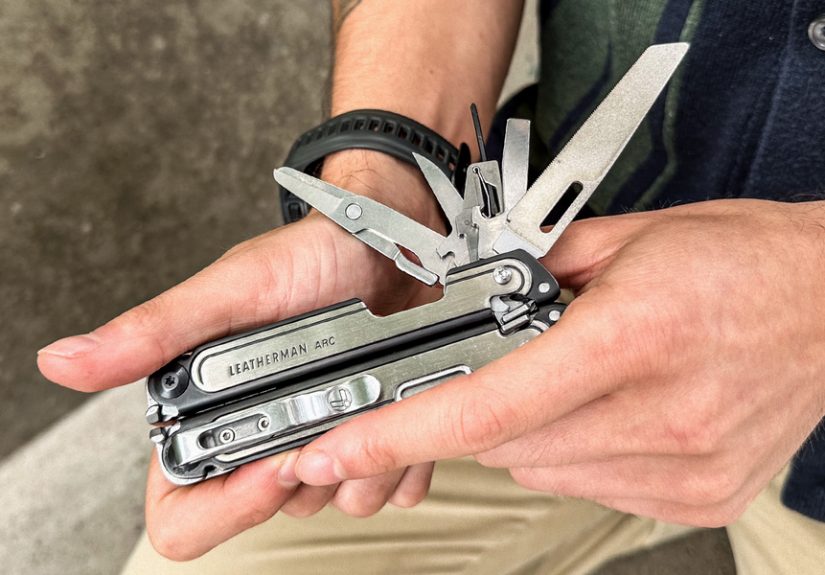
Tools are a natural fit for tariff-resistant shopping because buyers already value durability, repairability, and warranty support. Leatherman remains one of the best-known American manufacturing names in the category, with products tied to its Portland, Oregon, factory. A multi-tool is also the kind of item that benefits from real build quality. Nobody wants to discover “budget engineering” while trying to fix something sharp.
STIHL is a more nuanced but still compelling case. The company says a majority of the products it sells in America are made in America from U.S. and global materials, and it produces more than 100 models in its Virginia Beach facility. That makes STIHL a strong pick for shoppers willing to verify product-level origin claims. For yard equipment and professional outdoor tools, that kind of domestic footprint can matter a lot when trade policy, parts availability, and service networks all get messy at once.
What to Avoid When Shopping “American-Made” in 2025
First, avoid believing that every U.S.-themed product page equals a U.S.-made product. “Designed in California,” “American heritage,” and “born in the USA” are not manufacturing disclosures. They are vibes. Sometimes lovely vibes, but vibes all the same.
Second, be cautious with categories where price is suspiciously low. Genuine domestic manufacturing usually costs more. That does not mean every expensive product is American-made, only that a rock-bottom price plus a giant flag icon is often a clue that the marketing department has been allowed outside without supervision.
Third, do not obsess over perfection. A qualified U.S. claim can still be a very smart buy. In 2025, if a company clearly discloses domestic assembly, domestic manufacturing, or a high domestic-value share, that is often far more helpful than pretending an entirely sealed national supply chain exists for every zipper, gasket, and rubber outsole.
The Real Value of Buying U.S.-Made in 2025
The best reason to shop American-made in 2025 is not politics, performance, or even patriotism alone. It is resilience. When tariffs and trade disputes turn ordinary shopping into a guessing game, domestic production offers something rare: visibility. You can often see where the goods are made, understand how the claim is framed, and make a better bet on long-term value.
That does not mean every imported product is bad or every domestic one is automatically worth it. It means the smartest shoppers are moving beyond origin myths and into origin facts. They are buying in categories where U.S. manufacturing is still robust, where companies are transparent about components, and where durability softens the sting of any upfront premium.
So yes, 2025 may be the year many Americans rediscover the appeal of domestic goods. Not because tariffs suddenly turned everyone into a factory historian, but because nobody enjoys feeling like their frying pan, blanket, sneakers, and hedge trimmer are all one customs code away from becoming luxury items.
Experience: What Shopping U.S.-Made Feels Like in the Real World
The experience of shopping U.S.-made goods in 2025 is surprisingly different from ordinary bargain hunting. It feels slower, more deliberate, and a little more grown-up. Instead of asking, “What is the cheapest thing I can click before lunch?” you start asking better questions: “Where was this made?” “What exactly does that origin claim mean?” “Will this still be useful in five years?” It is less impulse shopping and more informed triage for your wallet.
Many shoppers describe a strange sense of relief once they narrow their options to brands that are transparent about manufacturing. The internet becomes less noisy. You stop comparing twelve suspiciously identical products that all seem to have been born in the same mysterious warehouse dimension. You begin comparing construction, materials, warranties, and whether the company can explain its own supply chain without breaking into interpretive dance.
There is also a practical emotional benefit. When you buy a U.S.-made skillet, blanket, pair of sneakers, or multi-tool from a company that clearly explains where and how it is made, the purchase often feels more grounded. You know what you are paying for. You are not just buying an object; you are buying fewer unknowns. In a year full of tariff headlines, shipping disruptions, and sudden price swings, fewer unknowns can feel luxurious.
Of course, the experience is not always cheap. Sometimes the first reaction to an American-made price is, “Wow, this towel thinks highly of itself.” That is fair. But after the initial sticker shock, many shoppers realize the comparison should not be between a premium domestic product and the cheapest imported option on the page. The better comparison is between one durable item and three replacements, one transparent supply chain and one mystery box, one trusted purchase and one future regret with free shipping.
There is also something satisfying about buying from brands that still make things in specific towns and factories rather than in a fog of outsourced ambiguity. A pan from Tennessee, glassware from Ohio, a multi-tool from Portland, flannel cut and sewn in the U.S., bedding tied to Alabama cotton, sneakers with a disclosed domestic-value thresholdthose details change the shopping experience. The transaction feels less disposable. The product has a place, a process, and a reason for costing what it costs.
In the end, shopping U.S.-made in 2025 does not feel like a purity test. It feels like practical adulthood with better labels. You learn to accept qualified claims, verify the line you want, skip the fake patriotic glitter, and spend where durability and transparency actually matter. And once you do, the whole process becomes easier. Not effortless, but easier. Which, in a tariff-heavy year, is honestly a pretty great deal.
Editorial note: This article was synthesized from current agency guidance, U.S. trade reporting, and manufacturer origin disclosures current through 2026. Product origin claims can change by model or collection, so shoppers should verify the specific item before purchasing.