
Table of Contents >> Show >> Hide
- Your “Next 30 Minutes” Plan (Because Overwhelm Is a Liar)
- Finding Shelter and a Real Path to Housing
- Food, Water, and Not Falling Apart
- Healthcare, Hygiene, and Staying Human
- Protecting Your ID, Mail, and “Proof You Exist”
- Benefits and Money: Getting a Financial Floor Under You
- Work, Income, and Rebuilding Routine
- Safety Tips If You’re Sleeping Outside (Last Resort, Still Deserves Strategy)
- When You’re Over It (Completely Understandable)
- Experiences and Real-World Lessons (The Stuff People Don’t Put on Forms)
- Conclusion: You Don’t Have to Do This Alone
If you’re reading this while dealing with homelessness (or you’re worried you might be soon), I want to start with a truth that deserves to be shouted:
you deserve safety, dignity, and real help. Homelessness is a housing crisis, not a personality trait.
And while the system can be confusing (and occasionally allergic to common sense), you can still make smart movestodaythat protect you and move you toward stability.
This guide pulls together practical, expert-backed strategies for how to survive homelessness: staying safe, finding shelter, getting food, protecting your ID and belongings,
and connecting to programs that can actually lead to housing. You don’t need to do everything at once. You just need a plan that works for the next hour, the next day,
and then the next week.
Your “Next 30 Minutes” Plan (Because Overwhelm Is a Liar)
When life goes sideways, your brain tries to do calculus while your heart is doing cardio. So here’s a simple triage plan:
1) Get to safety first
- If you’re in immediate danger, call 911.
- If you’re feeling unsafe, threatened, or followed, aim for public, well-lit places with people around (libraries, hospitals, busy businesses, transit hubs).
- If you’re dealing with domestic violence, use a safety plan and reach out to a domestic violence hotline or local DV shelter network.
2) Call (or message) for local resources
- Dial 211 to reach a local resource specialist who can help locate shelters, food programs, health services, and housing assistance in your area.
- If you’re in a mental health crisis, call or text 988 for immediate support.
3) Stabilize your basics
- Water, warmth/cooling, and a safer place to rest matter more than “perfect decisions.”
- If it’s dangerously hot or cold, prioritize cooling centers, warming centers, shelters, or other indoor options.
Finding Shelter and a Real Path to Housing
The fastest way out of homelessness is usually not “try harder.” It’s get connected to the local homelessness response systemthe network that
manages shelter access, housing lists, and supportive programs.
Start with 211, then ask about “Coordinated Entry”
Many communities use something called Coordinated Entry (sometimes called CES) under a local Continuum of Care system.
Translation: it’s the front door to housing resources. It usually involves an intake or assessment, then referrals to shelter, rapid rehousing, or supportive housing
based on need and availability.
When you call 211 or a local shelter line, ask:
“How do I complete Coordinated Entry in this county?”
If you can get that assessment done, you’re often in a better position for housing opportunities than someone who’s “just waiting.”
What to expect at shelters (and how to make it less miserable)
- Intake questions: Where you slept last night, health needs, ID info, veteran status, disability status, income/benefits.
- Rules vary: curfews, bag limits, sobriety policies, check-in times, partner/family arrangements, pet policies.
- Tip: If a shelter is full, ask for overflow options, motel vouchers (sometimes available during extreme weather), or waitlists.
Special housing programs you should specifically ask about
- Veterans: Ask about HUD-VASH (housing vouchers + VA case management) and SSVF (Supportive Services for Veteran Families).
- Families: Ask about family shelter, rapid rehousing, and school-district supports (schools often have liaisons for students experiencing homelessness).
- Medical vulnerability: Ask about medical respite programs or referrals through local clinics/hospitals.
Food, Water, and Not Falling Apart
Survival isn’t glamorous. It’s calories, hydration, and predictabilityespecially when everything else is unpredictable.
SNAP (Food Stamps): yes, you can apply without a home address
In many cases, people experiencing homelessness can still qualify for SNAP benefits even without a permanent address. States run SNAP, so the paperwork
looks different depending on where you are, but the core idea is the same: you apply in the state you’re currently living in, and your caseworker can often work with you
on mail/drop-off options.
- Ask a shelter, day center, or social services office if you can use their address as a mailing address.
- If you have a phone, take photos of any paperwork you submit (receipts, application confirmation, caseworker info).
Other food options that can bridge the gap
- Soup kitchens and free meal sites (often listed through 211).
- Food pantries (some allow “no-cook” bags with ready-to-eat items).
- WIC if you’re pregnant or have young children.
Hydration and weather basics (boring, life-saving stuff)
- Extreme heat: drink fluids regularly, seek air-conditioned spaces, and watch for dizziness, nausea, confusion, or fainting.
- Extreme cold: layer up, change out of wet clothes ASAP, and watch for numbness, uncontrollable shivering, slurred speech, or confusion.
Healthcare, Hygiene, and Staying Human
Getting sick while homeless is like playing life on “hard mode” with a broken controller. The good news: there are health systems built to help.
Find a Health Care for the Homeless clinic or community health center
Many areas have clinics specifically designed for people experiencing homelessness (often connected to federally qualified health centers). They can help with
primary care, mental health support, substance use treatment referrals, prescriptions, wound care, and case management that links you to housing services.
Mental health and substance use support
- If you’re in crisis, 988 is a fast way to reach help.
- For treatment options, a national treatment locator can help you find nearby services for mental health and substance use disorders.
Hygiene: small routines, big impact
- Ask day centers about showers, laundry vouchers, hygiene kits, and storage lockers.
- Libraries and community centers can be helpful for restrooms, water, charging, and internet.
- If you have wounds or blisters, get them checked earlyminor issues can become major fast.
Protecting Your ID, Mail, and “Proof You Exist”
This may sound dramatic, but it’s true: your documents are your lifeline. ID unlocks shelter access, benefits, jobs, banking, and housing applications.
Losing it can set you back months.
Document survival kit (do this as soon as you can)
- Keep originals in a sealed plastic bag (water is a sneaky villain).
- Store digital copies: photos of your ID, birth certificate, Social Security card, discharge papers (if applicable), and benefit letters.
- Write down key numbers: SSN (if safe), Medicaid ID, case numbers, and the name/phone of your caseworker.
No address? Use USPS General Delivery (it’s a real thing)
General Delivery lets people without a permanent address receive mail at a post office for pickup. Policies can vary by location, so ask the post office
how they handle pickup and what ID they require. If you’re applying for benefits and need mail access, General Delivery can be a game-changer.
Replacing ID: ask about local ID help
Many communities have programs, toolkits, or caseworkers dedicated to helping people experiencing homelessness replace IDs and vital records, including fee waivers
or “proof of residency” alternatives. Legal aid organizations can also help if you hit administrative walls.
Benefits and Money: Getting a Financial Floor Under You
The goal isn’t to become a benefits scholar (although honestly, those folks deserve capes). The goal is to build a minimum stable income while you
pursue housing.
Top benefits to ask about
- SNAP for food assistance.
- Medicaid or local low-cost coverage for healthcare.
- SSI/SSDI if you have a disability or qualifying condition. Being homeless does not remove your right to apply.
- TANF (cash assistance) for eligible families in some states.
- Unemployment if you recently lost a job and qualify.
- Veterans benefits and VA homelessness programs if you served.
Phone and internet: don’t do this without communication if you can avoid it
A working phone makes everything easier: shelters, job calls, caseworkers, benefit interviews, emergency contacts. The Lifeline program can help eligible
low-income consumers get discounted phone or internet service through participating providers.
Banking without a stable address
- If you can open an account, do itdirect deposit is often safer than carrying cash.
- If you receive Social Security-related benefits, ask about deposit options (direct deposit, debit card options, or a trusted payee arrangement if needed).
- If you don’t feel safe managing funds alone, discuss options with a trusted case managernever hand over access to someone who feels “a little sketchy but charming.”
Work, Income, and Rebuilding Routine
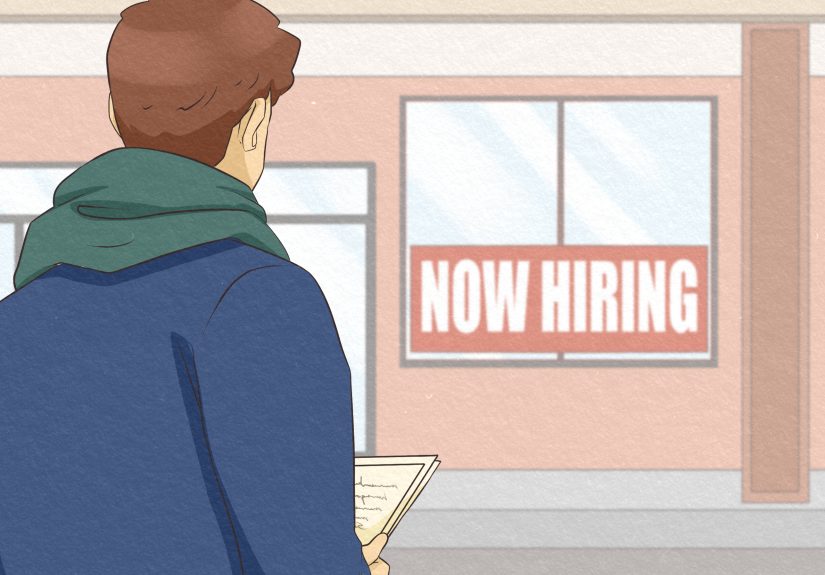
Work can be part of your exit plan, but it has to be sustainableand safe. One of the best starting points is your local American Job Center, which
can help with job searches, training, resume support, and sometimes connections to supportive employment programs.
Fast, practical job tactics
- Pick one “anchor place” for your job search (library, day center, job center) so you have reliable internet and a routine.
- Get a simple email address you check daily and use it for everything official.
- Prepare a short explanation if asked about gaps: “I had a housing disruption, but I’m ready to work now.” Then pivot to skills.
- Ask about training for in-demand roles (customer service, warehouse, healthcare support, trades).
Watch out for scams
- If a “job” requires you to pay money upfront, share your banking login, or hand over your original documentsnope.
- If someone offers housing in exchange for labor “off the books,” treat it like a red flag parade.
Safety Tips If You’re Sleeping Outside (Last Resort, Still Deserves Strategy)
Sometimes you’re forced into outdoor homelessness while you wait for shelter or housing openings. If that’s you, you’re not “failing”you’re navigating a shortage.
Here are harm-reduction strategies that prioritize safety without encouraging illegal activity.
Choose safety over secrecy
- Prioritize areas that are legal, well-lit, and closer to servicesrules differ by city, so ask outreach teams about safer options.
- If possible, stay near people you trust and set simple check-ins (“If you don’t hear from me by 9 a.m., call me.”).
- Keep valuables minimal and close. If you have to sleep, keep your most important items attached or inside your clothing.
Weather is not just “bad vibes”it’s a medical risk
- Heat: seek shade and cool indoor spaces; drink fluids before you feel thirsty; know signs of heat illness.
- Cold: stay dry; layer clothing; wind exposure matters; get indoors during dangerous conditions whenever possible.
De-escalation: the underrated survival skill
- Avoid conflicts when you can, even if you’re “right.” Being right is not always the same as being safe.
- If approached by authorities, stay calm, keep hands visible, and ask where you can legally go for shelter or services.
When You’re Over It (Completely Understandable)
Homelessness is exhausting in ways people don’t see. It’s not just “no home.” It’s paperwork without a desk, sleep without real rest, and stress that shows up in your body.
If you’re feeling hopeless, you’re not brokenyou’re overloaded.
- Call or text 988 if you’re in a mental health crisis or thinking about self-harm.
- Call 211 to find local shelter, food, health, and housing assistance options.
- If you’re in immediate danger, call 911.
And here’s a small truth that can get you through a rough hour: the goal today isn’t to solve everything. It’s to make the next step easier for Future You.
Experiences and Real-World Lessons (The Stuff People Don’t Put on Forms)
If you talk to people who’ve survived homelessness, you’ll hear a pattern: the biggest threats aren’t always the obvious ones. Yes, weather and safety matterbut so do
“invisible” problems like losing paperwork, missing one voicemail, or getting sick at the wrong time. The street has a way of turning minor hassles into boss-level battles.
One common lesson is that routine is protection. People often describe building a simple daily loop: a reliable place to charge a phone, a consistent time
to check email, a regular spot for meals, and one weekly appointment with a caseworker or outreach team. It sounds small, but it creates something homelessness tries to steal:
predictability. And predictability makes it easier to show up to a shelter intake early, complete a Coordinated Entry assessment, or answer a benefits call before the case closes.
Another street-smart tip: documents aren’t paperworkthey’re your keys. Folks routinely describe keeping a “grab bag” that never leaves their side:
ID (or whatever replaces it), medication, benefit letters, a small notebook with phone numbers, and anything related to housing applications. Some people take photos of documents
and email them to themselves, because phones get lost, stolen, or broken. It’s not paranoia; it’s risk management.
People also talk about learning to ask better questions. Instead of “Do you have shelter?” they ask, “Do you have any beds tonight, and if not,
where is overflow?” Instead of “Can you help me?” they ask, “How do I get a Coordinated Entry assessment in this county?” Instead of “I need a job,” they ask at an American Job
Center, “What training can I start this week that leads to steady hours?” Those questions are specific, time-bound, and harder for systems to shrug off.
There’s also the social sidecomplicated, but real. Many survivors say they had to become selective about who they trusted. Not everyone who offers help is safe, and not everyone
who looks rough is a threat. People describe using “slow trust”: accept information first, not favors. Take the shelter address, the hotline number, the clinic hours. Verify.
Then decide. This approach keeps you open to support without handing your life over to the first person with a confident voice and a too-good-to-be-true plan.
And then there’s the emotional experiencewhat it feels like to be treated as “in the way.” Survivors often say the turning point wasn’t just receiving housing help; it was
finding one professional (a case manager, nurse, outreach worker, librarian, job counselor) who treated them like a full human being. That respect can be fuel. If you find
someone competent and kind, stick with them. Show up. Ask what the next step is. Let them advocate with you, not just for you.
Finally, lots of people mention the power of tiny wins. One completed application. One returned call. One clinic visit. One night indoors. One meal plus a bottle
of water. Homelessness is a marathon you didn’t sign up for. Tiny wins are how you keep moving anyway.
Conclusion: You Don’t Have to Do This Alone
Surviving homelessness is about safety, connections, and momentum. Start local with 211, get into the housing system through Coordinated Entry,
protect your documents, and build a basic routine that supports food, health, and communication. If you qualify, benefits like SNAP, Medicaid, SSI, Lifeline,
and veteran housing programs can provide stability while you pursue housing. And if you’re in crisis, reaching out for help is a survival skillnot a weakness.
If you only remember one thing, make it this: the next step matters more than the perfect step. Start where you are, use the tools available, and keep going.






 Close
Close