Table of Contents >> Show >> Hide
- Before We Start: Are You Sure It’s a “Gnat” Bite?
- Why Gnat Bites Itch So Much
- Step 1: Wash the Bite Like You Mean It
- Step 2: Apply a Cold Compress for 10–20 Minutes
- Step 3: Elevate the Area If Swelling Is Happening
- Step 4: Use 1% Hydrocortisone Cream (Thin Layer)
- Step 5: Try Calamine or an Anti-Itch Lotion
- Step 6: Consider an Oral Antihistamine for Persistent Itch
- Step 7: Use Colloidal Oatmeal to Calm the Skin
- Step 8: Make a Baking Soda Paste (When You Need a Pantry Fix)
- Step 9: Use Aloe Vera or a Cooling Ingredient (Menthol/Camphor) Carefully
- Step 10: Block the Scratch Reflex (Yes, You Can Outsmart Yourself)
- Step 11: Know the Red Flags (When It’s Not “Just an Itch”)
- Bonus: Prevent Re-Bites So You Can Actually Heal
- Frequently Asked Questions
- Real-Life Experiences: 3 “Yep, That’s Me” Scenarios (About )
- Conclusion
Gnat bites are the ultimate insult: a bug so tiny you can’t see it, leaving an itch so loud it feels like your skin is live-tweeting complaints. Whether you got tagged by “biting gnats,” no-see-ums, or biting midges near water, the goal is the same: calm the inflammation, shut down the itch cycle, and keep the bite from turning into a scratched-up science experiment.
This guide breaks down 11 simple, realistic steps you can do at homeusing the same general advice dermatology and medical sources give for itchy insect bites. You’ll also learn when itching is “normal annoying” versus “please don’t just power through this.”
Before We Start: Are You Sure It’s a “Gnat” Bite?
In everyday American English, “gnats” can mean a bunch of tiny flying things. Some don’t bite at all (like fungus gnats around houseplants). The biting culprits are often:
- Biting midges / no-see-ums (tiny, coastal/wetland-loving biters)
- Black flies (daytime biters near streams)
- Sand flies / “sand gnats” (regional naming gets weird fast)
The treatment for the itch reaction is similar regardless: reduce histamine-driven inflammation, cool the area, and stop scratching.
Why Gnat Bites Itch So Much
Your itch is basically a tiny allergic-style reaction. When a biting insect feeds, it introduces saliva that helps it do its irritating little job. Your immune system recognizes that saliva as “uninvited,” releases inflammatory chemicals (often including histamine), and boom: itch + redness + swelling. The more you scratch, the more inflamed it getsand scratching can also irritate skin and increase the chance of infection.
Step 1: Wash the Bite Like You Mean It
Why it works
Cleaning removes saliva residue, sweat, dirt, sunscreen, and bacteriaaka the stuff that can make irritation worse.
What to do
- Use mild soap + cool or lukewarm water.
- Pat dry (don’t rub like you’re sanding a deck).
Pro tip: If you’re outdoors, even a gentle wipe with clean water is better than nothing until you can wash properly.
Step 2: Apply a Cold Compress for 10–20 Minutes
Why it works
Cold narrows blood vessels, reduces swelling, and temporarily “turns down” nerve signals that broadcast itch.
What to do
- Wrap ice or a cold pack in a thin cloth (don’t put ice directly on skin).
- Hold it on the bite for 10–20 minutes.
- Repeat as needed through the day.
Quick win: If you don’t have a cold pack, a bag of frozen peas is basically a first-aid MVP.
Step 3: Elevate the Area If Swelling Is Happening
Why it works
If a bite is on your arm or leg and it’s puffy, elevation can reduce fluid buildup and throbbing.
What to do
- Prop the limb above heart level for 10–15 minutes.
- Combine with a cold compress for a two-for-one calm-down combo.
Step 4: Use 1% Hydrocortisone Cream (Thin Layer)
Why it works
Hydrocortisone is a mild topical steroid that reduces local inflammationoften the main driver behind that “I need to scratch this into another dimension” feeling.
What to do
- Apply a thin layer to the bite area.
- Use 1–3 times daily for a short period (follow the label).
Keep it smart: Avoid using it on broken skin, and don’t keep applying for days and days without checking in with a clinicianespecially for kids or sensitive areas.
Step 5: Try Calamine or an Anti-Itch Lotion
Why it works
Calamine can soothe itch and mild irritation. Some anti-itch lotions also include ingredients that cool or protect the skin barrier.
What to do
- Dab on calamine and let it dry.
- Reapply as needed (check product directions).
Reality check: Calamine can look like you lost a paintball fight. It’s okay. Healing isn’t always aesthetic.
Step 6: Consider an Oral Antihistamine for Persistent Itch
Why it works
Antihistamines help reduce itch by blocking histamine’s effect. They’re especially helpful if you have multiple bites or your body tends to overreact.
What to do
- Non-drowsy daytime options are common (follow label directions).
- Some people choose a sedating option at night so they don’t scratch in their sleepagain, follow label warnings.
Important: For children, pregnancy, medical conditions, or medication interactions, follow professional guidance and product labeling.
Step 7: Use Colloidal Oatmeal to Calm the Skin
Why it works
Colloidal oatmeal is widely used for itchy, inflamed skin because it helps soothe irritation and supports the skin barrier.
What to do
- Spot treatment: Mix colloidal oatmeal with a little water into a paste, apply for 10 minutes, then rinse.
- Multiple bites: Add colloidal oatmeal to a lukewarm bath and soak briefly.
Pro tip: Keep bath water lukewarm. Hot water can make itch worse (tragic, because hot showers are emotionally comforting).
Step 8: Make a Baking Soda Paste (When You Need a Pantry Fix)
Why it works
A simple paste can reduce itch for some people, possibly by soothing irritated skin. It’s a common first-aid suggestion for itchy bites.
What to do
- Mix baking soda + a few drops of water into a paste.
- Apply to the bite for 10 minutes, then rinse off.
- Repeat once or twice daily if helpful.
Don’t do this: Skip if your skin is cracked or rawpaste on broken skin can sting and make you regret your choices.
Step 9: Use Aloe Vera or a Cooling Ingredient (Menthol/Camphor) Carefully
Why it works
Aloe can feel soothing and hydrating. Cooling ingredients like menthol or camphor can distract the nerves that transmit itch, giving temporary relief.
What to do
- Choose a simple aloe gel or a reputable anti-itch product.
- Patch test if you have sensitive skin.
Heads up: “Natural” doesn’t automatically mean “non-irritating.” If it burns or redness spreads, wash it off.
Step 10: Block the Scratch Reflex (Yes, You Can Outsmart Yourself)
Why it works
Scratching releases more inflammatory signals and can break skin. Once skin breaks, irritation and infection risk go up. The goal is to make scratching inconvenient and healing convenient.
What to do
- Cover it: Use a small bandage or hydrocolloid dot so your nails can’t “find” the bite.
- Trim nails: Less damage if you scratch unconsciously.
- Moisturize: Dry skin itches more; a simple fragrance-free moisturizer can help the area feel less tight.
- Distract the nerve: Press (don’t scratch) around the bite, or tap lightly.
Night hack: If you scratch in your sleep, consider covering bites before bed and using the cooling + topical approach earlier in the evening.
Step 11: Know the Red Flags (When It’s Not “Just an Itch”)
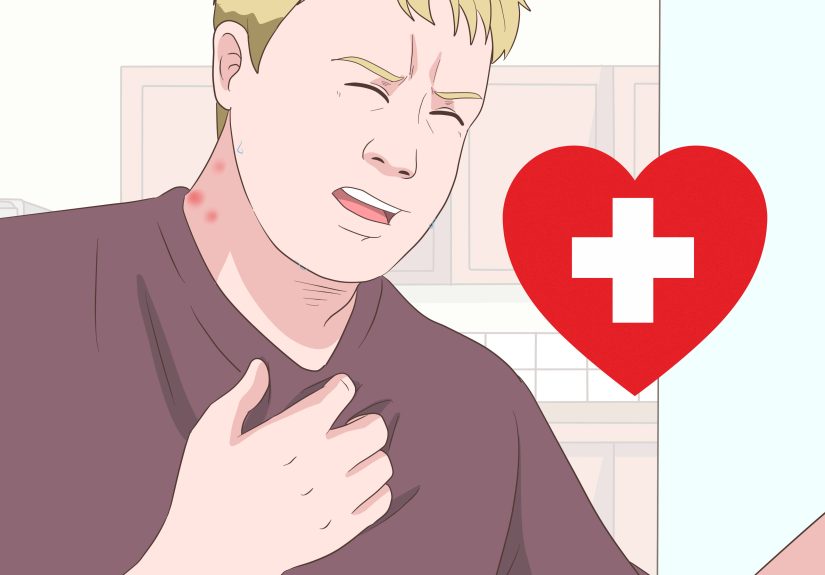
Get emergency help immediately if you have signs of a severe allergic reaction
- Trouble breathing, wheezing, throat tightness, or swelling of the lips/face
- Widespread hives, dizziness, fainting, confusion
- Rapid heartbeat or a sense of doom that feels bigger than “I hate bugs”
Call a clinician soon (same day or next day) if you notice
- Rapidly expanding redness, warmth, increasing pain, or pus
- Fever or feeling ill after bites
- Swelling that keeps growing beyond the bite area
- Bites near eyes, inside the mouth, or on the genitals that become very swollen
Bottom line: Most gnat bites are harmless-but-annoying. But allergic reactions and skin infections are real, and it’s always okay to get checked if your symptoms feel “off.”
Bonus: Prevent Re-Bites So You Can Actually Heal
If you keep getting bitten, your skin never gets a break. Prevention isn’t just about comfortit helps the existing bites calm down.
- Use EPA-registered insect repellents as directed, especially near water or at dusk.
- Wear protective clothing (long sleeves/pants) in high-bite areas.
- Use fine-mesh screens if tiny biting midges are sneaking indoors.
Frequently Asked Questions
How long does gnat bite itching last?
Many people improve within a couple of days, but some reactions last longerespecially if you’re sensitive or if bites are numerous. The biggest itch extender is scratching, which keeps the inflammation alive.
Should I use heat (like a hot spoon) to stop itching?
Some people swear by heat-based hacks, but heat can also irritate skin and worsen swelling for others. If you’re trying anything that could burn skin, it’s not worth it. Cold is the safer bet.
Is it normal for gnat bites to welt up?
Yes, some people get larger localized swelling (a stronger local immune reaction). If swelling spreads dramatically, lasts, or comes with other symptoms, get medical advice.
Real-Life Experiences: 3 “Yep, That’s Me” Scenarios (About )
Scenario 1: The “It Was Just a Quick Walk” Trap. You step outside for what you swear will be 90 seconds: take out the trash, water the basil, check the mail. It’s humid, the air is suspiciously still, and you’re near a shady corner of the yard where moisture hangs out like it pays rent. Two hours later, you’re inside, staring at your ankles like they personally betrayed you. The itch starts smallalmost polite. Then it escalates. The mistake most people make here is trying to “ignore it” until bedtime. That’s when the scratch reflex goes feral. What tends to help: wash right away, do the cold compress early, and put a barrier (bandage or a dot) over the worst bites before you get sleepy. The earlier you interrupt the itch cycle, the less likely you are to wake up feeling like you fought a tiny dragon.
Scenario 2: Beach Day, No-See-Ums, and the Illusion of Innocence. You’re at the coast, the breeze is perfect, and you’re wearing shorts because you’re living your best life. No-see-ums don’t care about your best life. They care about exposed skin, calm air, and the fact that you’re standing still talking about where to eat lunch. The bites may not show up immediately; later you notice little clusters that itch like a group chat that won’t stop pinging. In this situation, a multi-step combo usually works best: cool compress for swelling, then a thin layer of 1% hydrocortisone, then calamine or oatmeal if the skin still feels “angry.” If you’re someone who reacts strongly, a label-directed oral antihistamine can be the difference between “mildly annoying” and “please remove my legs.”
Scenario 3: The “I Scratched Once” Domino Effect. It starts with one scratch. Then two. Then suddenly you’re doing that unconscious rub-through-your-jeans thing in public, which is not the vibe. The problem isn’t your willpowerit’s biology. Scratching briefly feels good because it overrides the itch signal, but it also inflames the area and can break the skin barrier. Once the skin is irritated, everything feels itchier: clothing friction, sweat, even your own body heat. The workaround is to give your hands a better job: press around the bite, tap, apply cold, cover the bite, and keep nails short. If you’re itchy at night, set yourself up like a person who plans to win: treat bites earlier in the evening, cover them, and keep a cool pack nearby. Most people notice that once they stop “feeding” the itch cycle for a full day, the bites finally start acting like normal minor skin irritationstill annoying, but not all-consuming.
The common thread: The fastest relief usually comes from stacking small, boring stepsclean, cool, calm inflammation, block scratchingrather than chasing one magical cure. Your skin wants to settle down. You just have to stop giving it reasons to throw another tantrum.
Conclusion
To stop gnat bite itching, focus on quick cleaning, cooling, and calming inflammationthen physically block the scratch cycle. Most bites improve with simple home care, but severe allergic symptoms or signs of infection deserve real medical attention. Your goal isn’t to “tough it out.” Your goal is to make your skin boring again.