Table of Contents >> Show >> Hide
- Why This Vegan Balsamic Vinaigrette Works
- Vegan Balsamic Vinaigrette Ingredients
- How to Make Vegan Balsamic Vinaigrette Salad Dressing
- Full Vegan Balsamic Vinaigrette Recipe
- What This Dressing Tastes Like
- Best Salads and Dishes to Pair With Vegan Balsamic Vinaigrette
- Tips for the Best Homemade Balsamic Vinaigrette
- Easy Variations to Try
- How to Store Vegan Balsamic Vinaigrette
- Common Mistakes to Avoid
- Why Homemade Vegan Salad Dressing Is Worth It
- Real-Life Kitchen Experiences With This Vegan Balsamic Vinaigrette
- Conclusion
If your salad has ever tasted like a sad pile of leaves wearing disappointment, this vegan balsamic vinaigrette salad dressing recipe is here to fix that. It is tangy, lightly sweet, silky, fast, and made with pantry ingredients you probably already own. No mystery gums, no oddly fluorescent bottle, no “serving suggestion” that somehow requires a lighting crew and a lifestyle coach. Just a bold homemade dressing that can wake up greens, grain bowls, roasted vegetables, and even that container of chickpeas waiting in the fridge for a purpose.
The beauty of a good balsamic vinaigrette is that it feels fancy while being aggressively low-maintenance. You whisk, shake, or blend a few ingredients, and suddenly your lunch tastes like you planned your life beautifully. This recipe leans into a classic flavor profile: balsamic vinegar for sweet tang, extra-virgin olive oil for body, Dijon mustard for balance and emulsion, maple syrup to keep things vegan and rounded, plus garlic, salt, and pepper for backbone. The result is a dressing that tastes fresh, balanced, and useful enough to become one of those recipes you stop measuring after the third time.
Why This Vegan Balsamic Vinaigrette Works
A solid vinaigrette is all about balance. Too much vinegar, and your salad bites back. Too much oil, and it tastes flat and heavy. This version hits the sweet spot with a classic structure and a vegan-friendly flavor boost from maple syrup instead of honey. Dijon mustard helps the oil and vinegar play nicely together, so the dressing coats greens instead of sliding dramatically to the bottom of the bowl like it is making an exit.
It also works because the ingredients are flexible without becoming chaotic. Want it brighter? Add a squeeze of lemon. Want it sharper? Add extra Dijon. Want it slightly sweeter for bitter greens like arugula or radicchio? A little more maple syrup does the trick. It is the culinary equivalent of a white T-shirt: simple, reliable, and somehow always the right choice.
Vegan Balsamic Vinaigrette Ingredients
The Core Ingredients
- 1/4 cup balsamic vinegar The main source of tangy sweetness and rich flavor.
- 1/2 cup extra-virgin olive oil Adds body, softness, and that classic vinaigrette texture.
- 1 tablespoon Dijon mustard Brings zip and helps emulsify the dressing.
- 1 tablespoon maple syrup Keeps the recipe fully vegan while mellowing acidity.
- 1 small garlic clove, finely minced or grated For punch and savory depth.
- 1/4 teaspoon fine sea salt Essential for bringing the flavors together.
- 1/8 teaspoon black pepper Adds gentle heat and contrast.
Optional Upgrades
- 1 tablespoon finely minced shallot for a mellow onion note.
- 1 teaspoon Italian seasoning for a more herb-forward dressing.
- 1 to 2 teaspoons lemon juice if you want extra brightness.
- 1 tablespoon water to loosen the dressing if you prefer a lighter texture.
How to Make Vegan Balsamic Vinaigrette Salad Dressing
Method 1: Shake It in a Jar
Add the balsamic vinegar, Dijon mustard, maple syrup, garlic, salt, and pepper to a jar with a tight-fitting lid. Shake briefly to combine. Add the olive oil, seal the jar, and shake vigorously for 20 to 30 seconds until the dressing looks glossy and lightly thickened.
Method 2: Whisk It in a Bowl
Whisk together the vinegar, mustard, maple syrup, garlic, salt, and pepper in a small bowl. Slowly drizzle in the olive oil while whisking constantly. This method gives you a smooth, restaurant-style vinaigrette and makes you look like someone who says things like “I just threw this together,” even when you absolutely enjoyed the performance.
Method 3: Blend for a Smoother Finish
If you are using shallot or want a creamier texture without any dairy, blend everything for a few seconds. This helps the aromatics disappear into the dressing and creates a more uniform texture that clings beautifully to sturdy greens and grain salads.
Full Vegan Balsamic Vinaigrette Recipe
Prep time: 5 minutes
Total time: 5 minutes
Yield: About 3/4 cup
- In a small bowl or jar, combine balsamic vinegar, Dijon mustard, maple syrup, minced garlic, salt, and black pepper.
- Whisk or shake until fully combined.
- Slowly add the olive oil while whisking, or pour it into the jar and shake until emulsified.
- Taste and adjust. Add more maple syrup for sweetness, more mustard for sharpness, or a splash of water if you want a thinner dressing.
- Use immediately or refrigerate in a sealed container.
What This Dressing Tastes Like
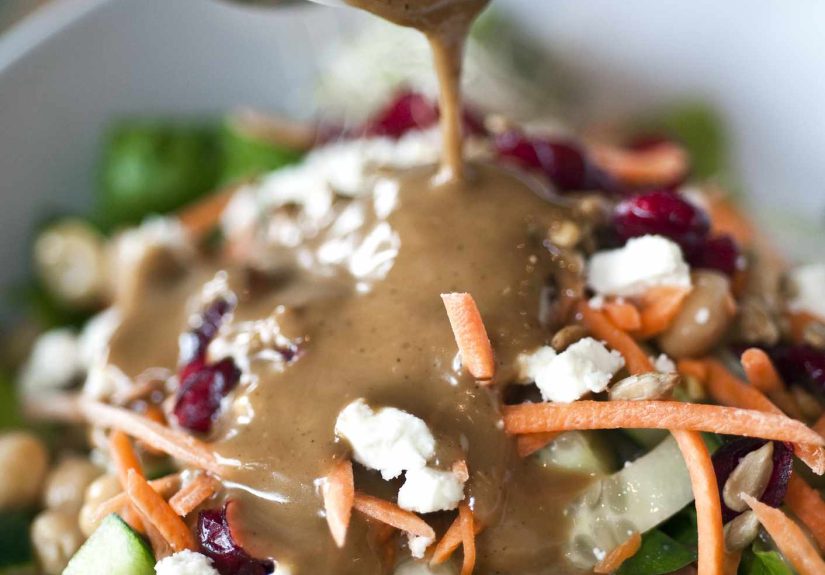
This vegan balsamic vinaigrette is bold but balanced. You get the fruity tang of balsamic vinegar first, followed by the smooth richness of olive oil. The maple syrup softens the acidity without making the dressing sweet in a dessert-like way. The Dijon adds a subtle savory edge, and the garlic gives it enough personality to stand up to hearty greens, lentils, chickpeas, and roasted vegetables.
In other words, it is not one of those dressings that tastes amazing on exactly one salad and then becomes emotionally unavailable. This one is versatile. It shows up.
Best Salads and Dishes to Pair With Vegan Balsamic Vinaigrette
1. Simple Green Salad
Toss it with mixed greens, cucumber, tomatoes, and red onion for a quick everyday salad that tastes much more interesting than the effort required.
2. Arugula Salad
The slight sweetness of balsamic and maple works beautifully with peppery arugula. Add pears, walnuts, or strawberries if you want a salad that acts like it belongs at brunch.
3. Grain Bowls
Drizzle it over quinoa, farro, brown rice, or couscous bowls with roasted vegetables and chickpeas. It ties everything together without competing for attention.
4. Roasted Vegetables
Use it on roasted Brussels sprouts, carrots, sweet potatoes, or cauliflower. A good vinaigrette can turn leftovers into lunch, which is a superpower more people should discuss.
5. Pasta Salad
This dressing works well in a vegan pasta salad with cherry tomatoes, olives, cucumbers, white beans, and fresh basil. It keeps the dish lively instead of heavy.
Tips for the Best Homemade Balsamic Vinaigrette
Use a Decent Balsamic Vinegar
You do not need a luxury bottle guarded by angels, but quality matters. A better balsamic usually tastes smoother, richer, and less aggressively acidic. Since the vinegar is the star, this is not the place for the bottle you bought during a pantry crisis in 2021.
Do Not Skip the Mustard
Dijon mustard does more than add flavor. It helps emulsify the dressing, which means it keeps the oil and vinegar suspended together longer. That gives you a dressing that coats ingredients evenly instead of separating instantly like a bad group project.
Taste Before Serving
Greens vary. Vinegars vary. Your mood varies. Taste the dressing before serving and adjust. If it tastes too sharp, add a little more oil or maple syrup. If it feels flat, add a pinch of salt or another tiny splash of vinegar.
Let It Sit for a Few Minutes
If you have time, let the dressing rest for 5 to 10 minutes before using. This gives the garlic and mustard a moment to settle into the mixture and round out the flavor.
Easy Variations to Try
Creamy Vegan Balsamic Dressing
Blend in 1 to 2 tablespoons tahini for a creamier texture and nuttier flavor. This is especially good on kale salads and roasted vegetable bowls.
Herby Balsamic Vinaigrette
Add chopped fresh basil, parsley, or thyme for a fresher finish. Basil is especially nice in summer salads with tomatoes and peaches.
Shallot Balsamic Vinaigrette
Swap the garlic for finely minced shallot if you want a slightly sweeter, more delicate bite.
White Balsamic Twist
Use white balsamic vinegar if you want a lighter color and a milder, slightly cleaner flavor. It is great when you do not want a dark dressing to tint pale greens or delicate vegetables.
How to Store Vegan Balsamic Vinaigrette
Store the dressing in a clean jar or airtight container in the refrigerator for about 5 to 7 days. If the olive oil firms up in the cold, let the jar sit at room temperature for a bit or run it under warm water, then shake again before serving. Separation is normal. This is homemade dressing, not a science fiction condiment engineered to outlive us all.
Common Mistakes to Avoid
- Using too much sweetener: Maple syrup should support the balsamic, not turn it into pancake sauce.
- Under-seasoning: Even a great oil and vinegar combo needs salt and pepper to taste finished.
- Pouring it over soaking-wet greens: Water dilutes flavor fast. Dry your lettuce well.
- Making it too far ahead without re-tasting: Flavors mellow in the fridge, so give it a quick taste before serving.
Why Homemade Vegan Salad Dressing Is Worth It
Homemade vegan salad dressing usually tastes fresher, costs less per batch, and gives you full control over sweetness, acidity, and texture. That matters more than people think. A bottled dressing can be convenient, but a five-minute vinaigrette often tastes brighter and more personal. And once you know the basic structure, you can improvise endlessly without fear.
That is the real charm of a recipe like this. It is simple enough for busy weekdays but elegant enough for dinner guests. It can make a basic lunch feel thoughtful and can rescue vegetables from the tragic fate of being “technically healthy but spiritually boring.” If your goal is to eat more salads, bowls, and roasted vegetables, a reliable vegan balsamic vinaigrette is less of a recipe and more of a survival tool.
Real-Life Kitchen Experiences With This Vegan Balsamic Vinaigrette
The first time I made a vegan balsamic vinaigrette on purpose, I was not chasing culinary glory. I was trying to avoid another limp salad coated in a bottled dressing that tasted like sweetened confusion. I had greens in the fridge, half a cucumber, some tomatoes that were one motivational speech away from becoming pasta sauce, and exactly enough optimism to try whisking something together. That quick experiment changed the way I think about everyday cooking.
What surprised me most was not the flavor, although the flavor absolutely did its job. It was the sense of control. A homemade balsamic vinaigrette lets you decide what kind of salad day you are having. On Monday, maybe you want it punchy and sharp with extra Dijon because work is ridiculous and you need a dressing with attitude. On Wednesday, maybe you want it a little sweeter with more maple syrup because bitter greens are doing the most. The recipe adapts without complaint, which is more than I can say for many kitchen gadgets.
I have also learned that this dressing does not belong only to salads. Some of my best uses for it happened by accident. I have spooned it over roasted carrots when they looked a little too earnest on the tray. I have tossed it with warm lentils and chopped parsley for a quick lunch that somehow felt far more organized than I was. I have drizzled it over grain bowls built from leftovers and called the whole thing “intentional meal prep,” which sounds better than “I opened containers and hoped for the best.”
One of the most practical lessons from making this recipe repeatedly is that ingredients matter, but not in an intimidating way. You do not need the fanciest olive oil or a ceremonial bottle of vinegar. You just need ingredients that taste good on their own. A better balsamic gives the dressing depth. A decent Dijon gives it structure. Fresh garlic adds sparkle. Those little details are what make the difference between “fine” and “can you make that again?”
I also appreciate how forgiving the recipe is for different seasons. In summer, it feels bright and lively on tomato salads, strawberry arugula salads, and grilled vegetables. In fall, it leans cozy on roasted squash, Brussels sprouts, and grain bowls with pecans. In winter, it can wake up pantry meals built around beans and sturdy greens. In spring, it tastes especially good with asparagus, radishes, and herbs. Few recipes are useful enough to stay in rotation all year without becoming boring, but this one manages it.
And then there is the jar factor. There is something deeply satisfying about having a little jar of homemade dressing in the fridge. It makes future meals easier. It makes lunch feel less random. It makes you much more likely to eat the vegetables you bought with good intentions. That jar says, “You may not have your whole life together, but you do have balsamic vinaigrette ready to go,” and honestly, sometimes that is enough.
So yes, this vegan balsamic vinaigrette salad dressing recipe is simple. But simple is not the same as boring. In real kitchens, on real weeknights, simple recipes are often the ones that earn permanent status. This is the kind of dressing you make once for a salad and then keep finding excuses to use again. And that may be the highest compliment a recipe can get.
Conclusion
A great vegan balsamic vinaigrette salad dressing recipe does not need to be complicated to be memorable. With balsamic vinegar, olive oil, Dijon mustard, maple syrup, garlic, and a few pantry staples, you can create a fresh, flavorful dressing in minutes. It is balanced, versatile, and easy to tweak for your own taste. Whether you are dressing a simple green salad, finishing roasted vegetables, or upgrading a grain bowl, this homemade vinaigrette brings brightness and depth without extra fuss. Once you make it a few times, it stops feeling like a recipe and starts feeling like kitchen instinct.