Table of Contents >> Show >> Hide
A drought does not usually kick down the garden gate like a movie villain. It sneaks in. First the soil dries faster than usual. Then the lettuce looks a little dramatic at lunch. Then the tomatoes start acting moody, the hydrangeas wilt like they just read bad news, and suddenly you are standing in the yard whispering, “Why is everything crunchy?”
If your area is going through a drought, your garden will not respond all at once or in exactly the same way in every bed. Some plants may wilt and recover at night for a while. Others move straight to scorched leaves, dropped blossoms, smaller fruit, slower growth, and early leaf drop. Trees and shrubs may not even show the full damage until much later, which feels unfair but is very on-brand for gardening.
The good news is that drought damage is not always the same thing as total loss. A thirsty garden can look rough, yield less, and still recover if you understand what is happening below the surface and respond the right way. Here is what to expect when drought hits, how different plants react, and what you can do to help your garden make it through without turning into a botanical crime scene.
First, What Drought Really Does to a Garden
Drought is not just “a period without much rain.” In practical garden terms, drought means your soil is losing moisture faster than nature is replacing it. Heat, wind, low humidity, and intense sun make the problem worse by increasing evaporation from the soil and water loss from plant leaves.
Once that moisture gap grows, plants have to work harder to pull water from the soil. When they cannot keep up, they reduce growth, conserve energy, and start sacrificing the least essential parts first. That is why you often see smaller leaves, stalled growth, fewer flowers, dropped blossoms, reduced fruit set, and tired-looking foliage before a plant outright dies.
Think of water as the delivery truck for your garden. It helps move nutrients, keeps cells firm, supports photosynthesis, cools plants through transpiration, and drives root and shoot growth. When the truck stops showing up, the entire operation gets messy fast.
The soil changes too
Drought affects soil structure as much as plants. Bare soil heats up, moisture evaporates faster, and compacted ground becomes even less welcoming to roots. Clay soil may harden and crack. Sandy soil may drain so quickly that watering feels like pouring lemonade through a colander. In either case, roots have a harder time finding steady moisture.
This is why healthy soil rich in organic matter usually handles drought better. Soil with compost and other organic material behaves more like a sponge. It absorbs water more gradually, stores more of it, and gives roots a better chance to drink between waterings.
What You’ll Notice First
Midday wilting that seems to disappear
One of the earliest drought signs is temporary wilting. Plants droop during the hottest part of the day, then perk back up in the evening or by the next morning. Gardeners often see this and think, “Well, that was weird,” and move on. But it is an early warning flare.
Temporary wilting means the plant is already struggling to balance water loss with water uptake. It has not hit the danger zone yet, but it is knocking on the door and asking uncomfortable questions.
Leaves that curl, scorch, or go dull
As drought continues, leaves may curl inward, edges may turn brown, and the foliage can lose its healthy shine. Some plants get a faded, dusty look even when no dust is involved. Leaf scorch often appears along the margins first because those outer tissues dry out fastest.
At this stage, the plant is trying to reduce water loss. It may shed some leaves altogether, which looks dramatic but is actually a survival tactic. Less foliage means less surface area losing moisture.
Slower growth and smaller harvests
Drought-stressed plants stop trying to impress you. They focus on survival, not performance. Vegetables may stay small, mature unevenly, or ripen more slowly. Fruit can be smaller than usual, and flowering plants may produce fewer blooms. If you were hoping for giant zucchinis the size of baseball bats, drought usually has other plans.
How Different Parts of the Garden React
Vegetable gardens: the drama club of the landscape
Vegetables tend to show drought stress quickly because they grow fast, have high water demands, and are often expected to flower and fruit at the same time. Tomatoes, peppers, cucumbers, squash, beans, corn, and leafy greens can all react differently, but the theme is the same: less water means less production.
Leafy greens often bolt faster or become bitter in hot, dry weather. Tomatoes may drop blossoms, produce smaller fruit, or develop problems tied to inconsistent watering. Peppers can slow way down. Cucumbers may get misshapen or bitter. Sweet corn can struggle if water stress hits during key growth stages. In short, the vegetable bed stops being generous and starts being selective.
Water stress also affects quality, not just quantity. A plant can survive drought and still give you disappointing produce. You may get fewer fruits, smaller fruits, slower ripening, or a crop that tastes like it had a rough summer because it did.
Flowers and perennials: some faint, some fight
Annual flowers can decline quickly because they have relatively shallow root systems and a short season to do all their growing. Perennials are often tougher, but “tougher” is not the same as “thrilled.” In drought, some perennials bloom less, go partially dormant, or drop older leaves to conserve moisture.
Plants that normally look lush can become surprisingly scruffy. Hydrangeas may droop in dramatic fashion. Hostas can scorch. Daylilies may hang on better. Native and drought-adapted perennials often outperform thirstier ornamentals because they are built for tougher conditions and do not panic at the first dry spell.
Trees and shrubs: the delayed reaction specialists
Trees and shrubs are tricky during drought because they do not always show immediate damage. A large tree may look mostly fine this week and then show dieback, browning, early fall color, or leaf drop later in the season or even next year. That delayed response is one reason gardeners underestimate drought damage in woody plants.
Young trees, recently planted shrubs, and shallow-rooted species are especially vulnerable. Established trees can often tolerate short dry periods better than vegetables or annual flowers, but prolonged drought can weaken them, reduce root growth, and make them more susceptible to pests and disease. If a tree was already stressed before drought arrived, it is not starting the race in a good lane.
Containers and raised beds: fast beauty, fast stress
Containers dry out more quickly than in-ground beds because they hold less soil volume and heat up faster. Raised beds can also dry faster, especially in hot, windy weather. During drought, potted herbs and annuals may need water far more often than plants in the ground.
If potting mix dries too much, it can pull away from the sides of the container and become harder to re-wet evenly. That is why some containers look soaked on top and bone-dry two inches down. Raised beds are productive and tidy, but during drought they demand attention like a very talented but high-maintenance roommate.
The Sneaky Problems Drought Creates
Pests and disease pressure can increase
Drought-stressed plants are often more vulnerable to insect and disease problems. A healthy plant has more resources to defend itself and recover from minor damage. A stressed plant is already using its energy just to stay upright. That makes it easier for secondary problems to move in.
You may notice more spider mites, more leaf scorch confusion, more early leaf drop, and more plants that seem to have “something wrong” even though the root issue is really water stress. Drought does not always directly cause the pest or disease, but it often opens the door and turns on the porch light.
Weeds become even more annoying
Weeds compete with your plants for limited moisture. During a drought, that competition matters even more. A bed full of weeds is basically a shared apartment where one person keeps drinking everyone else’s water and never buys groceries. Keeping weeds down is not just about appearance; it is about helping your actual garden plants get first access to the moisture that is left.
Overcorrecting can create new issues
When gardeners get nervous, they sometimes water too lightly and too often. That keeps only the top inch or two of soil damp and encourages shallow rooting. The result is a plant that becomes even more dependent on frequent watering. Other gardeners swing in the opposite direction and flood stressed plants, which can reduce oxygen around roots and cause even more trouble.
Another common mistake is fertilizing heavily during severe drought because plants look weak. But pushing new growth when water is limited can backfire. Soft new growth needs moisture, and a plant already under stress may not be in any shape to use that extra nutrient boost wisely.
What to Expect After Rain Finally Returns
Rain after drought is wonderful, but it is not always a magical reset button. Some plants recover quickly, especially if they only experienced temporary wilting or mild leaf scorch. Others bounce back in stages. Woody plants may leaf out poorly the following season, or certain branches may continue to decline if roots were damaged.
Vegetables can resume growth once moisture levels improve, but yields lost during critical flowering or fruiting stages are usually gone for good. Annual flowers may recover enough to look decent again. Perennials may return the next season just fine if crowns and roots stayed healthy. Lawns may green up if the grass was dormant rather than dead. Trees may need months of observation before you know whether they truly made it.
This is one of the hardest lessons in gardening: recovery is often uneven. A drought garden does not always collapse all at once, and it does not always rebound all at once either.
How to Help Your Garden Survive a Drought
1. Prioritize what gets watered
If water is limited, focus first on newly planted trees and shrubs, vegetables in active production, containers, seedlings, and any valuable or vulnerable plants. Established native perennials and mature shrubs may tolerate some stress better than young or shallow-rooted plants.
In a real drought, triage is not pessimism. It is strategy. Save the high-value, hard-to-replace, and least drought-tolerant plants first.
2. Water deeply, slowly, and at soil level
Deep watering encourages roots to grow down where soil stays cooler and moisture lasts longer. Slow watering also reduces runoff and helps water soak into the root zone instead of racing away. Drip irrigation, soaker hoses, and careful hand watering near the base of the plant all work well.
Morning is usually the best time to water because evaporation is lower and foliage dries more quickly than it would in the evening. But if a plant is wilting badly in the afternoon, do not wait for a perfect schedule. A thirsty plant needs water more than your calendar needs consistency.
3. Mulch like you mean it, not like you are frosting a cake
A layer of mulch helps reduce evaporation, moderate soil temperature, and suppress weeds. Around most beds, about 2 to 3 inches of organic mulch is a sweet spot. Keep mulch away from stems and trunks so you do not trap excess moisture against plant tissue or invite rot.
Mulch is not glamorous, but it is one of the most effective drought tools in the garden. It is the quiet friend who shows up with snacks, water, and emotional stability.
4. Improve the soil over time
Add compost and other organic matter regularly so the soil can hold moisture better and support deeper root growth. This does not fix an active drought overnight, but it changes how your garden performs during the next dry spell. Better soil is like having a larger savings account. You do not notice it much on a good day, but on a bad day it matters a lot.
5. Group plants by water needs
Plants with similar needs should be grouped together whenever possible. This makes irrigation more efficient and prevents overwatering one plant while underwatering the one next to it. A thirsty vegetable bed and a drought-tolerant ornamental patch should not be managed exactly the same way just because they happen to share a fence line.
6. Skip the panic fertilizing
If plants are severely stressed, hold off on heavy feeding. Focus on moisture management first. Once growing conditions improve, you can reassess nutrition. During drought, survival is the main project. You are not trying to turn a struggling tomato into a bodybuilder.
Experiences From Real Drought-Style Garden Scenarios
One of the most common drought experiences starts with a tomato patch that looks fine in the morning and tragic by late afternoon. The plants droop, then perk back up overnight, which tricks a lot of gardeners into thinking everything is okay. A week later, blossoms begin dropping, the fruit set slows, and a few tomatoes develop disorders tied to uneven moisture. The gardener waters more often, but only for a few minutes at a time, so the top layer stays damp while the deeper roots remain thirsty. Once watering is changed to a slower, deeper soak and mulch is added, the plants usually stabilize, but the lost flowers and reduced early yield do not fully come back.
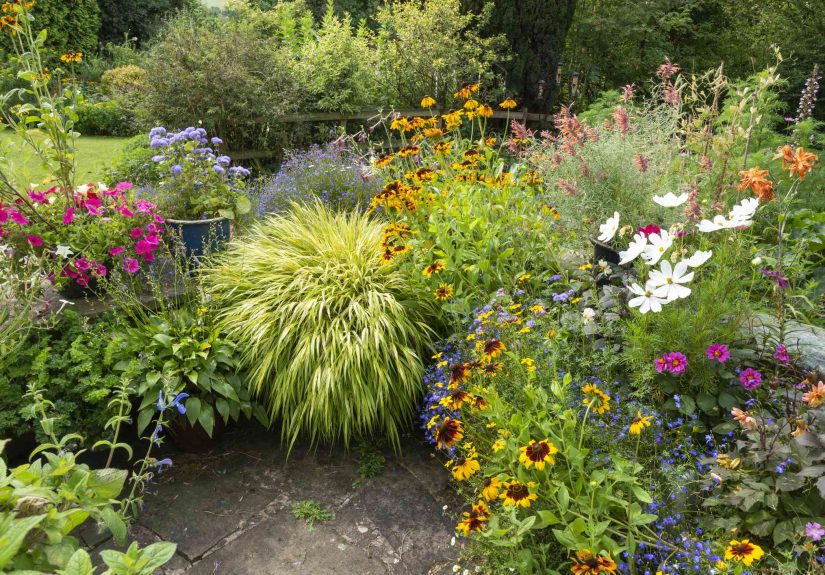
Another classic drought story happens in ornamental beds. A homeowner notices hydrangeas collapsing by noon, hosta leaves crisping at the edges, and black-eyed Susans looking weirdly cheerful by comparison. That contrast is the lesson. Not all plants handle water stress equally. The thirstier, broad-leaved ornamentals often complain first and loudest, while drought-adapted or native perennials keep going with fewer theatrics. In many gardens, the solution is not to water everything equally forever. It is to rethink the plant mix over time so the landscape is less needy during future dry spells.
Trees often create the most confusing experience. A recently planted maple may look acceptable through much of a dry summer, then suddenly show browning leaves and dieback on branch tips. Sometimes the real damage happened weeks earlier when roots failed to establish in dry soil. Gardeners are often surprised to learn that woody plants can respond slowly and still be in trouble. Deep watering around the root zone and consistent care during establishment make a huge difference, especially for young trees that have not yet spread roots into surrounding soil.
Container gardens tell an even faster story. A patio full of basil, petunias, and peppers can go from beautiful to pitiful in one hot, windy day. Potting mix dries quickly, dark containers heat up, and the plants begin cycling between drought stress and recovery. You water, they revive, you feel victorious, and by tomorrow afternoon they are fainting again like Victorian novel characters. In those cases, more frequent checks, larger containers, mulch on the potting mix surface, and strategic placement out of afternoon blast-furnace conditions often help more than random heroic watering with a hose.
Some of the most successful drought experiences come from gardeners who adapt instead of trying to recreate a rainy-season fantasy. They mulch early, improve soil before the worst heat arrives, pull weeds quickly, harvest produce on time, and accept that a lawn may brown while the vegetable bed and young trees get priority. They also notice the garden more closely. They learn which bed dries first, which side yard bakes, which shrubs bounce back, and which plants are basically tiny green divas. That kind of observation turns one bad drought season into useful knowledge for the next one.
Final Thoughts
When drought hits, your garden usually tells the story in stages: temporary wilting, scorched edges, slower growth, fewer flowers, smaller harvests, more pest pressure, and delayed decline in woody plants. Some damage is cosmetic, some is seasonal, and some can linger longer than you expect. But drought does not automatically mean total failure.
A garden with deeper watering, better soil, smart mulch, fewer weeds, and plants matched to the site can handle dry conditions far better than one built on hope and hose panic. Expect some stress, expect some trade-offs, and expect to learn a lot. Gardening has always been part science, part optimism, and part negotiating with weather that did not read your plans. During drought, that last part just gets louder.