Table of Contents >> Show >> Hide
- The Main Filming Location: MacInnes Farms in Langley, British Columbia
- Is Hope Valley a Real Place?
- What Is the Jamestown Movie Set?
- Why British Columbia Works So Well for the Series
- Are Other Locations Used Besides MacInnes Farms?
- Can Fans Visit the When Calls the Heart Filming Location?
- What Fans Recognize on the Hope Valley Set
- How the Filming Location Shapes the Story
- Why Hope Valley Looks So Authentic
- Is When Calls the Heart Still Filmed There?
- How Hope Valley Connects to the Larger Hallmark World
- Planning a Hope Valley-Inspired Visit
- Experiences Related to Visiting the When Calls the Heart Filming Area
- Conclusion
If you have ever watched When Calls the Heart and wondered whether Hope Valley is a real town where everyone has perfect porch lighting, extremely sincere conversations, and just enough drama to keep the tea kettle nervous, you are not alone. The Hallmark Channel favorite has made its fictional frontier community feel so cozy and lived-in that many viewers assume it must be an actual Canadian village hiding somewhere between a mountain range and a bakery that sells emotional support scones.
So, where is When Calls the Heart filmed? The short answer: mostly in Langley, British Columbia, Canada, on MacInnes Farms, a working family farm that is home to the Jamestown Movie Set. This purpose-built town set stands in for Hope Valley, the beloved fictional community where Elizabeth Thornton, Nathan Grant, Lucas Bouchard, Rosemary and Lee Coulter, Bill Avery, and the rest of the Hearties-approved residents live, work, fall in love, solve problems, and occasionally make decisions that have the fan base yelling at the television.
The longer answer is even more interesting. When Calls the Heart uses the natural beauty of British Columbia’s Fraser Valley, the production-friendly environment around Vancouver, and a carefully designed frontier town set to create a place that feels both historical and warmly familiar. Hope Valley may not exist on a regular map, but the filming location is very realand yes, fans can visit under certain tour and event opportunities.
The Main Filming Location: MacInnes Farms in Langley, British Columbia
The heart of When Calls the Heart beats at MacInnes Farms in Langley Township, British Columbia. Located roughly 45 minutes to an hour outside Vancouver, depending on traffic and how emotionally prepared your GPS is, the farm provides the rural landscapes, open space, and natural surroundings that make Hope Valley feel tucked away from the modern world.
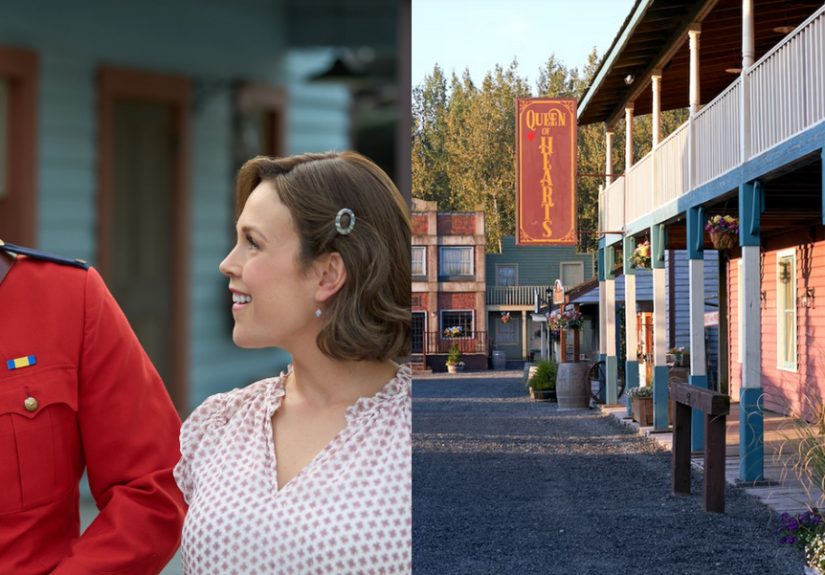
MacInnes Farms is not just a film lot with a few decorative buildings dropped into a field. It is a working farm with a long agricultural history, and the production has used part of the property to build the Jamestown Movie Set. That set includes the recognizable main street, storefronts, porches, boardwalks, church, schoolhouse, saloon-style buildings, and other locations that viewers see episode after episode.
The setting works beautifully because Langley has the kind of visual texture that period dramas love. There are wide fields, tree lines, soft gray skies, muddy paths after rain, and that unmistakable Pacific Northwest atmosphere that makes every emotional conversation look like it was personally lit by a cloud with artistic training. The surrounding Fraser Valley landscape helps the show maintain a believable Western Canadian frontier feel without needing to constantly rely on digital backgrounds or studio trickery.
Is Hope Valley a Real Place?
Hope Valley is not a real town in the everyday municipal sense. You cannot mail a letter there, buy a house beside Abigail’s Café, or run for mayor while promising better wagon parking. Hope Valley is a fictional community created for the story world of When Calls the Heart. However, the physical town viewers recognize on screen is real as a standing set.
That distinction is part of the magic. Unlike shows that rely heavily on scattered locations or interior soundstages, When Calls the Heart has a consistent town environment where characters can walk from one familiar building to another. The viewer learns the geography of the place. The café feels near the street. The church and schoolhouse become anchors. The row of storefronts creates a sense of daily life. In other words, Hope Valley feels like a real community because the production has given it real spatial logic.
The result is a fictional place with a physical footprint. Fans may not be able to book a room in Hope Valley as if it were a regular tourist town, but they can recognize the set, visit through official opportunities, and see the buildings that have appeared in countless scenes. For a TV location, that is about as close to real as fiction gets without requiring property taxes.
What Is the Jamestown Movie Set?
The Jamestown Movie Set is the purpose-built frontier town located on MacInnes Farms. It is the visual foundation of Hope Valley. This is where many of the show’s most memorable exterior scenes are filmed, from street conversations and community gatherings to arrivals, departures, romantic pauses, and those moments when someone steps onto a porch with news that will absolutely not stay private for more than seven minutes.
One reason the set looks convincing is that it includes more than simple false fronts. Many of the buildings are designed with practical interiors, allowing filming to happen inside the set structures rather than always cutting to a separate studio. That helps maintain visual continuity. When a character enters a doorway, the world does not suddenly feel disconnected. The town has weight, depth, and a lived-in quality.
The set also benefits from careful period design. The wooden storefronts, painted facades, gravel roads, hanging signs, porches, barrels, flowers, church steeple, and rustic textures all support the early 20th-century frontier atmosphere. Even when the show leans into polished Hallmark warmth, the setting still gives viewers enough dust, wood, and weather to believe that Hope Valley is a place where boots matter and dry socks deserve applause.
Why British Columbia Works So Well for the Series
British Columbia has become one of North America’s most important filming regions, especially for television. Vancouver and the surrounding areas offer experienced crews, diverse scenery, studio infrastructure, and a landscape that can stand in for many different places. For When Calls the Heart, the region is especially fitting because the story is inspired by Janette Oke’s Canadian West book series and is set in a small frontier community in Western Canada.
Langley gives the show a practical combination of accessibility and rural beauty. Productions can work within reach of Vancouver’s film industry while still capturing the open, pastoral feel required for Hope Valley. That matters. A show like When Calls the Heart needs more than pretty buildings. It needs skies, fields, tree lines, roads, and weather that all support the emotional tone of the story.
The climate also contributes to the show’s look. British Columbia’s rain and changing seasons can be challenging for cast and crew, but they give the series an authentic outdoor texture. A muddy street, a misty background, or a cool gray afternoon can make the town feel less like a postcard and more like a frontier settlement with actual chores waiting after the scene ends.
Are Other Locations Used Besides MacInnes Farms?
Yes. While MacInnes Farms and the Jamestown Movie Set are the primary filming home for Hope Valley, the show has also used locations in and around Vancouver, British Columbia. Some scenes that require different settings, larger interiors, city environments, or specific historical locations may be filmed elsewhere in the region.
For example, earlier storylines involving Elizabeth’s wealthy family and urban life have been associated with Vancouver-area locations. This gives the series flexibility. Hope Valley remains the emotional center, but the production can expand the world when characters travel, when the story needs a more formal setting, or when a plotline calls for a location that the town set cannot provide.
This blend of a stable main set and flexible regional filming is one of the reasons When Calls the Heart has maintained such a consistent visual identity across many seasons. The audience always knows where “home” is, even when the story briefly steps outside town.
Can Fans Visit the When Calls the Heart Filming Location?
Yes, but not in the same casual way you might visit a public park or historic district. The Hope Valley set is located on private property at MacInnes Farms, so visits depend on official tours, scheduled access, filming schedules, special events, and current availability. In other words, do not simply show up wearing your finest prairie skirt and expect the saloon doors to swing open. This is still a working farm and active filming location.
MacInnes Farms has offered tours that allow fans to walk through areas connected to the show, including roads and trails leading toward the Hope Valley set. Tour descriptions have highlighted the chance to see buildings and sets that viewers recognize from the series. For devoted Hearties, that kind of visit can feel like stepping through the screenminus the dramatic music cue and perfectly timed confession.
The Hearties Family Reunion is another major fan experience connected to the show. This event has welcomed fans to the Vancouver area for a weekend built around When Calls the Heart, including behind-the-scenes opportunities, cast interactions, and set-related experiences. Availability, schedules, and access can change, so fans should always check official event and farm information before planning a trip.
What Fans Recognize on the Hope Valley Set
Part of the fun of visiting or studying the filming location is recognizing the places that have become emotional landmarks. The schoolhouse and church are central to the town’s identity because education, faith, and community values are woven deeply into the series. The café has long been a gathering place for conversation, comfort, and the kind of small-town updates that travel faster than a mounted police officer with excellent posture.
The main street is another star of the show. Its storefronts, boardwalks, hanging flower baskets, and gravel surface create the instantly recognizable Hope Valley look. The production uses that street for celebrations, tense confrontations, everyday errands, and quiet character moments. Because the set is reused and adapted over time, it becomes familiar in the same way a real town square becomes familiar to the people who live there.
The beauty of the set is that it supports both big community scenes and small emotional beats. A parade, festival, or town meeting can fill the space with energy. A two-person conversation on a porch can make the whole place feel intimate. That flexibility is one reason the filming location has become such an important part of the show’s success.
How the Filming Location Shapes the Story
Hope Valley is more than scenery. It helps define the tone of When Calls the Heart. The show is built around community, resilience, romance, friendship, forgiveness, and the idea that people can rebuild after hardship. A frontier town set is the perfect visual metaphor for that. The buildings look sturdy but handmade. The roads are simple. The wilderness is close. Every scene quietly reminds viewers that this is a place still becoming itself.
The physical layout also supports the storytelling. In a small town, characters cannot hide forever. Everyone crosses paths. A romantic misunderstanding can travel from the café to the mercantile before lunch. A business problem can become a community issue by dinner. A newcomer’s arrival changes the rhythm of the whole street. The filming location makes that interconnectedness believable.
Because the town is built as a recurring set, directors can use familiar spaces to show emotional change. A character standing outside the schoolhouse in one season may carry a different meaning several seasons later. A porch where someone once said goodbye may later become a place of reconciliation. The location stores emotional history, and longtime viewers feel that.
Why Hope Valley Looks So Authentic
The authenticity of Hope Valley comes from a combination of production design, location, weather, and continuity. The set is detailed enough to feel functional, while the surrounding farm and British Columbia landscape prevent it from looking too polished. The town is charming, yes, but it is not supposed to feel like a theme-park Main Street with suspiciously clean corners.
Small details make a big difference: worn wood, practical porches, visible dirt roads, old-fashioned signage, period clothing against natural outdoor light, and buildings arranged in a way that suggests daily movement. When characters carry baskets, lead horses, hold town meetings, or rush across the street with urgent news, the environment supports the action.
Also, the show’s long run has allowed the set to mature. A brand-new period town can sometimes look a little too fresh, like it was assembled yesterday by very motivated carpenters. Hope Valley, by contrast, has years of on-screen history. Viewers have watched the town evolve, and that evolution makes the set feel lived-in.
Is When Calls the Heart Still Filmed There?
Yes, the series continues to be associated with filming in British Columbia, especially the Hope Valley set at MacInnes Farms in Langley. Hallmark has continued renewing the show, and recent production coverage has still tied the series to filming in and around Vancouver and the Langley area. The ongoing use of the set is part of why the series has remained visually consistent for so long.
That continuity matters to fans. A show can change characters, shift romantic storylines, introduce new conflicts, and still feel stable if the world itself remains familiar. For When Calls the Heart, Hope Valley is that stabilizing force. No matter what happens in the plot, viewers return to the same streets, porches, and gathering places that made them fall in love with the series.
How Hope Valley Connects to the Larger Hallmark World
The filming location has also become important beyond the original series. The When Calls the Heart universe has expanded through related projects, including spin-offs and prequel storytelling. Because Hope Valley is such a beloved setting, the location carries brand value for Hallmark and emotional value for fans.
That is not just television trivia. It explains why fans care so much about where the show is filmed. The location is part of the identity of the series. Hope Valley is not merely a backdrop for romance; it is the container for the show’s values. It represents neighborliness, second chances, hard work, humor, loyalty, and the pleasant fantasy that everyone in town has time to discuss feelings in complete sentences.
Planning a Hope Valley-Inspired Visit
If you want to visit the real-world area connected to When Calls the Heart, start with Langley and the Vancouver region. Before planning, check whether MacInnes Farms is offering public tours or whether any official Hearties events are scheduled. Because filming schedules and private-property rules can affect access, confirmed information is essential.
A good trip could include time in Langley Township, nearby Fort Langley, and Vancouver. Fort Langley is especially appealing for fans of historic atmospheres, charming streets, local shops, and photo-friendly scenery. Even if you cannot access the set during your trip, the broader region gives you a strong sense of the landscapes and heritage-style environments that make British Columbia such a popular filming destination.
Pack practical shoes, layers, and realistic expectations. This is the Pacific Northwest, not a climate-controlled Hallmark snow globe. The weather may change quickly, the ground may be damp, and your hair may make independent creative choices. Still, that atmosphere is part of what makes the region feel connected to the show.
Experiences Related to Visiting the When Calls the Heart Filming Area
A Hope Valley-inspired experience is not just about taking a photo in front of a recognizable building. The best part is noticing how the real landscape changes the way you understand the show. On screen, Hope Valley can feel like a perfectly arranged frontier village where every porch is waiting for a meaningful conversation. In person, the surrounding British Columbia environment adds another layer. The air can be damp, the fields wide, the trees thick, and the light soft in a way that cameras love. Suddenly, the show’s slower rhythm makes sense. This is a place that invites walking, looking, and lingering.
For many fans, the emotional experience begins before reaching the set. Driving through the Fraser Valley or the Langley area, you start to see why the production chose this region. The landscape has a gentle rural quality that feels close to civilization but not swallowed by it. You can imagine a production crew building a frontier town there and thinking, “Yes, this will do nicely. Please add one schoolteacher, one Mountie, and three unresolved romantic subplots.”
If you attend an official tour or fan event, the experience can be surprisingly personal. Seeing the scale of the set may change your perception of the show. Television can make a town feel larger than it is, because camera angles, editing, and repeated use of spaces create the illusion of a full community. Walking near the actual streets and buildings helps you appreciate the craft behind that illusion. You begin to understand how directors frame scenes, how actors move through familiar spaces, and how production designers use small details to suggest a much bigger world.
Fans often enjoy comparing memory with reality. You may recognize a porch where a character once gave advice, a storefront from a festival scene, or a street corner where someone made a dramatic entrance. The fun is not only in seeing the object itself; it is in remembering the story attached to it. A simple wooden building becomes meaningful because viewers have spent years associating it with friendship, grief, romance, forgiveness, or a really intense town meeting.
There is also a community aspect to the experience. When Calls the Heart fans, often called Hearties, are known for their enthusiasm and loyalty. At official gatherings, people may travel from different states, provinces, and countries because the show represents comfort, hope, and connection. Meeting other fans can feel like joining a cheerful book club where everyone already knows the fictional mayoral history of a town that technically does not exist. That shared affection turns a filming location into a cultural destination.
For travelers who cannot access the set, the region still offers a satisfying themed trip. Exploring Langley, Fort Langley, local farms, heritage sites, cafés, and scenic roads can create a soft echo of the Hope Valley mood. You may not bump into Elizabeth Thornton at the mercantile, but you can still enjoy the same general ingredients: history, nature, cozy streets, and a pace that encourages you to put your phone down for at least three heroic minutes.
The most important tip is to treat the location respectfully. MacInnes Farms is private property and an active filming-related site, not an open playground. Follow official rules, book only legitimate tours, avoid trespassing, and remember that the real people who maintain the farm and set are part of what makes the magic possible. Hope Valley may be fictional, but good visitor manners are very real.
In the end, visiting or learning about the When Calls the Heart filming location deepens the show’s charm. It reveals that Hope Valley is created from a rare mix of real landscape, careful design, dedicated production work, and fan imagination. That is why the town feels so comforting. It exists somewhere between a working farm in Langley and the emotional map viewers carry after years of watching. Not bad for a place you cannot officially move tounless Hallmark starts selling frontier real estate, in which case Hearties may need to form an orderly line.
Conclusion
When Calls the Heart is filmed primarily at the Jamestown Movie Set on MacInnes Farms in Langley, British Columbia, with additional filming in and around the Vancouver area. Hope Valley is fictional, but the town set is real, carefully built, and deeply tied to the show’s identity. The combination of a working farm, British Columbia scenery, period-style design, and long-term production continuity gives the series its warm, recognizable atmosphere.
For fans, the filming location is more than trivia. It is part of the emotional architecture of the show. Hope Valley feels real because the set has become a familiar home for stories about love, courage, community, and second chances. Whether you are planning a visit, researching Hallmark filming locations, or simply satisfying your curiosity after another cozy episode, the answer is clear: Hope Valley lives in Langley, British Columbiaand in the hearts of viewers who keep returning season after season.